Chef of the Week Sponsored by Pure Ionic Water: Andrew Scott, Head of Food at Wadworth
 Chef of the Week sponsored by Pure Ionic Water celebrates the chefs that embody Pure Ionic Water’s core philosophy of ‘enhancing the culinary experience‘.
Pure Ionic Water works in many kitchens up and down the country from the pinnacle of Michelin stars to 5-star hotels, uniting them all, the desire to serve the very best. Understanding the difference premium hydrogen enhanced alkaline water makes to food, to the kitchen team’s performance and ultimately to the business’s profits is easy, just ask around.
“I only trust Pure Ionic Water at home and in my restaurant.”
Sat Bains, Chef Parton, Restaurant Sat Bains, 2 Michelin stars
For more information about Pure Ionic Water CLICK HERE
How long have you worked at your current restaurant?
I’ve worked at Wadworth overseeing 19 pubs for nearly 6 years as head of food.
Where did your passion for cooking come from and where did you learn your skills?
I was bought up in a family that all worked in hospitality and could cook, I got the bug at a very early age. I trained at Mallory Court Hotel under Simon Haigh after leaving catering college, I learnt all of my foundations from that kitchen.
What do you enjoy most about being a chef?
I love to make people happy. From cooking a delicious dish for a customer or one of my team, to making a chef happy after teaching them a new skill.
Name three ingredients you couldn’t cook without.
Salt, lemon juice and butter.
Which piece of kitchen equipment couldn’t you live without?
Robocoupe BL3 Blender – it’s a top piece of kit.
What food trends are you spotting at the moment?
Small plates are very trendy at the moment and they give the diner the option to share multiple plates and graze, which is also very popular.
What do you think is a common mistake that lets chefs down?
Cooking for acknowledgement from the guide books or awards. Cook for your customers and cook what you’d like to see on a menu. This creates a successful business and a happy team. If the awards come, then that’s a bonus.
What is your favourite time of year for food, and why?
This is a tough one as I’m always torn on spring and autumn. Both are such exciting seasons for any chef. I think spring just pips it for me. The peas, asparagus, wild garlic, jersey royals, lamb and gooseberries, these ingredients make recipes easy to write.
Which of your dishes are you most proud of?
In 6 years, myself and Neil Molyneux (my development chef) have written a total of 3000 recipes. One that stands out, that I love to eat myself, is Lamb Merguez sausages, aubergine and harissa butter bean cassoulet with preserved lemon & artichoke. It’s a plate of humble ingredients packed with flavour.
How do you come up with new dishes?
Obviously, a lot of it comes from being in and around the industry for 29 years and the experience gained in top kitchens. But I also keep my finger on the pulse of food trends by working with suppliers and manufacturers, reading cookbooks, scrolling Instagram and my favourite… eating out with Mrs Scott.
Who was your greatest influence?
The two Simons.
- Simon Haigh, who taught me the foundations of every section, butchery, sauce making, pastry etc.
- Simon Rogan, for thinking outside the box, challenging everything and his interesting flavour combinations.
Tell us three chefs you admire.
- Gordon Ramsay: An absolute work horse and always evolving, he is a great ambassador for the industry.
- Daniel Humm: His cookbook Eleven Madison Park was a big influence on me.
- Mark Birchall: We worked together at L’Enclume , he had an amazing work ethic and always wanted the best. No wonder he’s won 3 Michelin stars now!
What is your favourite cookbook?
Eleven Madison Park 2011.
Who do you think are the chefs to watch over the next few months?
- Zak Hitchman at the Other in Bristol.
- Adam Smith and Paul Ainsworth – I would hope they get the promotion to stars as it’s well overdue.
What’s been your favourite new restaurant opening of the last year?
Other in Bristol.
Cut Waste, Save Money, Boost Profit: Hospitality Experts Reveal How to Thrive in Tough Times
 From dramatically extending frying oil life to tackling the hidden cost of limescale, The Chefs’ Forum’s latest webinar showed hospitality operators that sustainability and profitability can – and should – go hand in hand.
With operators continuing to face pressure from food inflation, wages, energy bills and increasingly tight margins, the message from The Chefs’ Forum’s latest free industry webinar was clear: don’t just cut costs – get smarter about where your money is going.
Delivered in association with The Chefs’ Forum and ActionCOACH, the session brought together hospitality expertise with innovative solutions from Beyond Oil and Pure Ionic Water, giving attendees practical ideas they could take back to their businesses immediately.
The webinar also supported Together for Venezuela, with voluntary donations encouraged to help the humanitarian initiative.
Busy Doesn’t Always Mean Profitable
One of the strongest messages of the session was that a packed restaurant, hotel or pub does not automatically equal a profitable one.
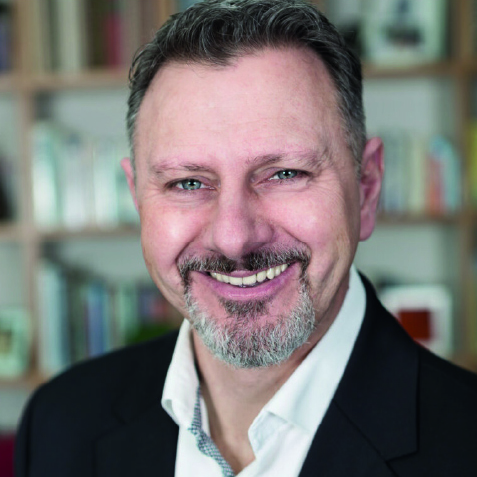 Business Coach, Andreas Nest reminded operators that “revenue is not profit”, urging businesses to examine everything from labour and food costs to merchant fees, utilities, maintenance and waste.
The webinar encouraged operators to look at their businesses differently: understand which menu items really make money, control portion sizes, examine purchasing, reduce unnecessary stockholding and, crucially, look in the bin.
Food waste is money that has been bought, stored, prepared – and then thrown away.
The overarching advice was to protect margin by focusing simultaneously on price, volume, cost and productivity, rather than simply cutting expenditure and potentially damaging the guest experience.
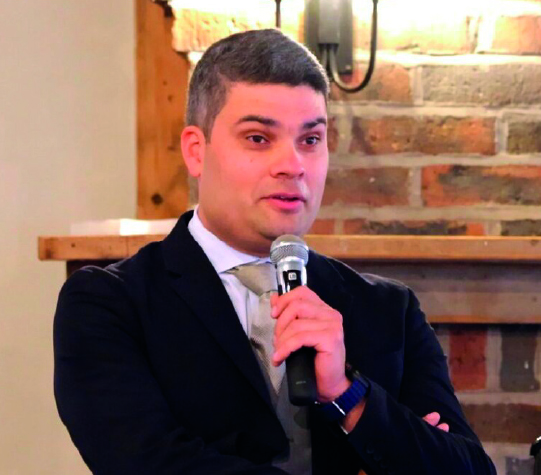 Manuel Marcano said
“This webinar was a fantastic opportunity to speak directly with my hospitality peers about Together 4 Venezuela and the incredible community effort behind it, while sharing some of the knowledge I’ve gained as a hospitality consultant. In challenging trading conditions, protecting profit isn’t simply about cutting costs – it’s about understanding the whole operation and making better decisions. That includes how we handle guest complaints. Good service recovery can turn a negative experience into one that builds loyalty. A complaint should never be viewed simply as a problem or a cost; it’s an opportunity to listen, empower your team to put things right quickly, and show the guest how much you value their business. Retaining a guest through excellent complaint management is far more valuable than losing them – and potentially everyone they tell about their experience. The webinar gave us a brilliant platform to share practical ideas like these and to raise awareness of a cause that means an enormous amount to me personally.”
Donate to Together 4 Venezuela here: www.gofund.me/64b46769f
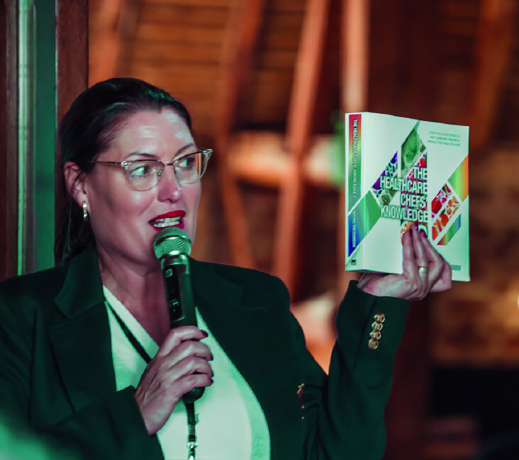 Webinar Host and Chefs’ Forum Founder, Catherine Farinha added
“We eat with our eyes long before we take the first bite, and exactly the same principle applies to your brand. You can be producing the most incredible food and delivering fantastic hospitality, but if your photography, video, menus, website and social media don’t reflect that quality, you’re underselling yourself. In today’s visual world, your digital shop window is often the first experience a potential guest has of your business. Professional photography, engaging film and strong, consistent design are powerful commercial tools and we can help you create all of the above. Your brand needs to look every bit as good as the food coming out of your kitchen. Get that right and you give people a reason to stop scrolling, book a table and ultimately become loyal customers.”
Beyond Oil: Less Oil, Lower Costs, Better Frying
For any operator running multiple fryers, one particular speaker certainly grabbed attention.
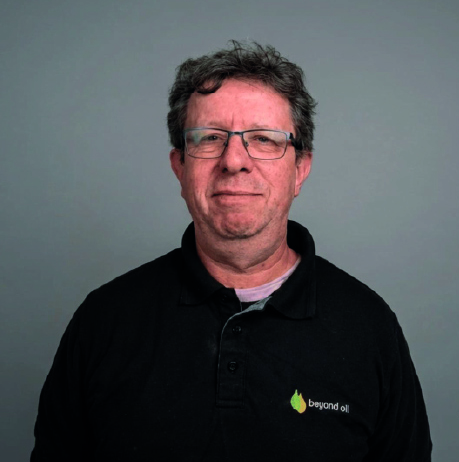 Beyond Oil’s Adrian Sagman explained how the company’s frying oil management technology can significantly extend the usable life of cooking oil while maintaining consistency.
The examples were striking.
“If you’re changing your oil every two days, we’ll get from two days to ten days normally,” Sagman told attendees, explaining that results depend on the food being cooked, fryer configuration and oil usage. He cited other operations moving from four days to around 12 and, in some cases, from three days to 30.
Beyond Oil states that its technology can extend oil life by 300% to 1,000%, dramatically reducing oil consumption and costs. Its filtration powder removes frying by-products from the oil, helping operators achieve greater consistency day after day.
For chefs, that means more than a saving on the oil bill.
Cleaner, more consistent oil means more consistent fried food, less waste and greater control – demonstrating perfectly how a sustainability initiative can also deliver a compelling commercial return.
Pure Ionic Water: Don’t Let Money Go Down the Drain
 Peter Smeaton of Pure Ionic Water then turned attention to another resource hospitality businesses use every minute of every day: water.
Pure Ionic Water’s approach looks at water across the whole operation – from cooking and hydration to premium still and sparkling table water – while its PureSoft technology tackles the hidden financial impact of limescale.
Smeaton told attendees that buildings affected by limescale can use up to 20% more electricity to pump the same amount of water, while scale can also impact boilers, washers, pipework and other water-fed equipment.
Removing that limescale therefore offers the potential to reduce energy consumption, maintenance bills and equipment replacement costs.
The webinar also showcased The Broadcaster in London, where a whole-building water system operates alongside still and sparkling taps and premium reusable table-water bottles – combining operational efficiency and sustainability with a better guest experience.
Sustainability That Pays
Perhaps the biggest takeaway from the session was that saving money and becoming more sustainable are increasingly the same conversation.
Whether it is buying less frying oil, reducing food waste, protecting expensive equipment, using less energy or turning filtered water into a premium guest experience, small operational changes can add up to substantial savings.
In uncertain times, hospitality businesses cannot control every external pressure.
But they can control waste, efficiency, purchasing, productivity and the systems they choose to put in place.
And that could make all the difference between simply surviving – and truly thriving.
Watch the replay of the Webinar here:
Chef of the Week Sponsored by Pure Ionic Water: Ioannis Grammenos, Executive Chef at Heliot Steak House
Chef of the Week sponsored by Pure Ionic Water celebrates the chefs that embody Pure Ionic Water’s core philosophy of ‘enhancing the culinary experience‘.
Pure Ionic Water works in many kitchens up and down the country from the pinnacle of Michelin stars to 5-star hotels, uniting them all, the desire to serve the very best. Understanding the difference premium hydrogen enhanced alkaline water makes to food, to the kitchen team’s performance and ultimately to the business’s profits is easy, just ask around.
“I only trust Pure Ionic Water at home and in my restaurant.”
Sat Bains, Chef Parton, Restaurant Sat Bains, 2 Michelin stars
For more information about Pure Ionic Water CLICK HERE
How long have you worked at your current restaurant?
I’ve been at Heliot Steak House at the Hippodrome Casino in London’s Leicester Square since 2012. During that time, we’ve transformed the restaurant into an award-winning destination, earning recognition as one of the world’s leading casino restaurants. It’s been an incredible journey of constant evolution, innovation and teamwork.
Where did your passion for cooking come from and where did you learn your skills?
Cooking has always been part of who I am. Growing up in Greece, food was at the heart of family life, where meals brought everyone together. That passion developed into a career through formal culinary training, years of working in professional kitchens, international competitions, travelling, judging, teaching and, above all, never stopping learning. Every chef, butcher, farmer and producer I’ve met has taught me something valuable.
What do you enjoy most about being a chef?
Creating memories. Food has the power to bring people together, celebrate life’s biggest moments and make an ordinary day special. I also love mentoring young chefs and helping them develop their careers. Seeing someone you’ve trained succeed is one of the most rewarding parts of the job.
Name three ingredients you couldn’t cook without.
Beef, olive oil and sea salt. If the quality of those three is exceptional, you already have the foundation of something memorable.
Which piece of kitchen equipment couldn’t you live without?
A good grill. It respects the product, enhances flavour naturally and, for me, there’s nothing quite like cooking exceptional beef over fire.
What food trends are you spotting at the moment?
Guests are becoming far more interested in provenance and quality than gimmicks. They’re asking where the meat comes from, how it was raised and why it tastes different. Dry ageing continues to grow in popularity, premium beef experiences are becoming more accessible, and sustainability is no longer a trend it’s simply expected. We’re also seeing more interest in sharing cuts and interactive dining experiences.
What do you think is a common mistake that lets chefs down?
Trying to impress with complexity instead of focusing on quality and consistency. Great cooking isn’t about using twenty ingredients; it’s about respecting the ingredients you have. Discipline, organisation and attention to detail separate good chefs from great ones.
What is your favourite time of year for food, and why?
Summer, without a doubt. Growing up in Greece, summer has always been synonymous with incredible food. It’s the season of sun-ripened tomatoes, fragrant herbs, fresh seafood, beautiful vegetables and outdoor cooking over charcoal. I love the simplicity of Mediterranean cuisine, where exceptional ingredients speak for themselves. Summer is also the perfect time for great steaks on the grill, paired with fresh salads, grilled vegetables and a good glass of wine. For me, it’s the season that best celebrates freshness, flavour and sharing great food with family and friends
Which of your dishes are you most proud of?
Our dry-aged steaks are always closest to my heart. Years of studying beef, working with producers around the world and refining ageing techniques have shaped the experience we serve today. I’m also proud of creating dishes that showcase exceptional Australian beef, allowing the quality of the meat to speak for itself.
How do you come up with new dishes?
It usually starts with the ingredient rather than the recipe. I spend time talking to farmers, butchers and suppliers, travelling, judging competitions around the world and tasting everything I can. Then I ask myself one question: “How can I make this ingredient the hero?” Simplicity often produces the best results.
Who was your greatest influence?
My greatest influences were my mother and my grandmother. I grew up surrounded by home cooking, where food was an expression of love, family and tradition. My mother is a chef, so from an early age I was fortunate to learn not only recipes but also the discipline, passion and respect that a professional kitchen demands. Those early experiences shaped the way I cook today.
As my career developed, I was also greatly influenced by the farmers, producers and butchers I’ve met around the world. They taught me that great cooking begins long before an ingredient reaches the kitchen. Understanding where food comes from, how it is produced and respecting the people behind it changes the way you cook forever.
Tell us three chefs you admire.
Francis Mallmann has to be at the top of the list. His philosophy of cooking over open fire at 7 Fuegos completely changed the way many chefs think about live-fire cooking. He proves that simplicity, patience and respect for the ingredient can produce extraordinary food.
Víctor Arguinzoniz of Asador Etxebarri is another chef I greatly admire. His ability to use fire and smoke with such precision is remarkable. Every ingredient, whether it’s beef, seafood or vegetables, is treated with incredible respect.
Finally, Lennox Hastie of Firedoor in Sydney. His commitment to cooking everything over wood fire demonstrates that you don’t need complicated techniques just exceptional produce, skill and an understanding of fire.
They all share a philosophy I strongly believe in: let the ingredient be the hero and use fire to enhance, not overpower, it’s natural flavour.
What is your favourite cookbook?
Modernist Cuisine. It’s one of the most comprehensive culinary references ever produced. I also regularly revisit classic books on butchery and meat science, as understanding the product is just as important as knowing how to cook it.
Who do you think are the chefs to watch over the next few months?
Rather than focusing only on famous names, I think the chefs to watch are the next generation working quietly in kitchens across the UK. There is incredible talent coming through competitions, independent restaurants and hotel kitchens, and I’m fortunate to meet many of them through judging and mentoring.
What’s been your favourite new restaurant opening of the last year?
London continues to be one of the most exciting food cities in the world. Rather than choosing a single restaurant, I’ve really enjoyed seeing more chef-led concepts focused on exceptional ingredients, open-fire cooking and seasonal produce. It’s encouraging to see quality taking centre stage again.
Speedwrap Pro at Yeovil District Hospital
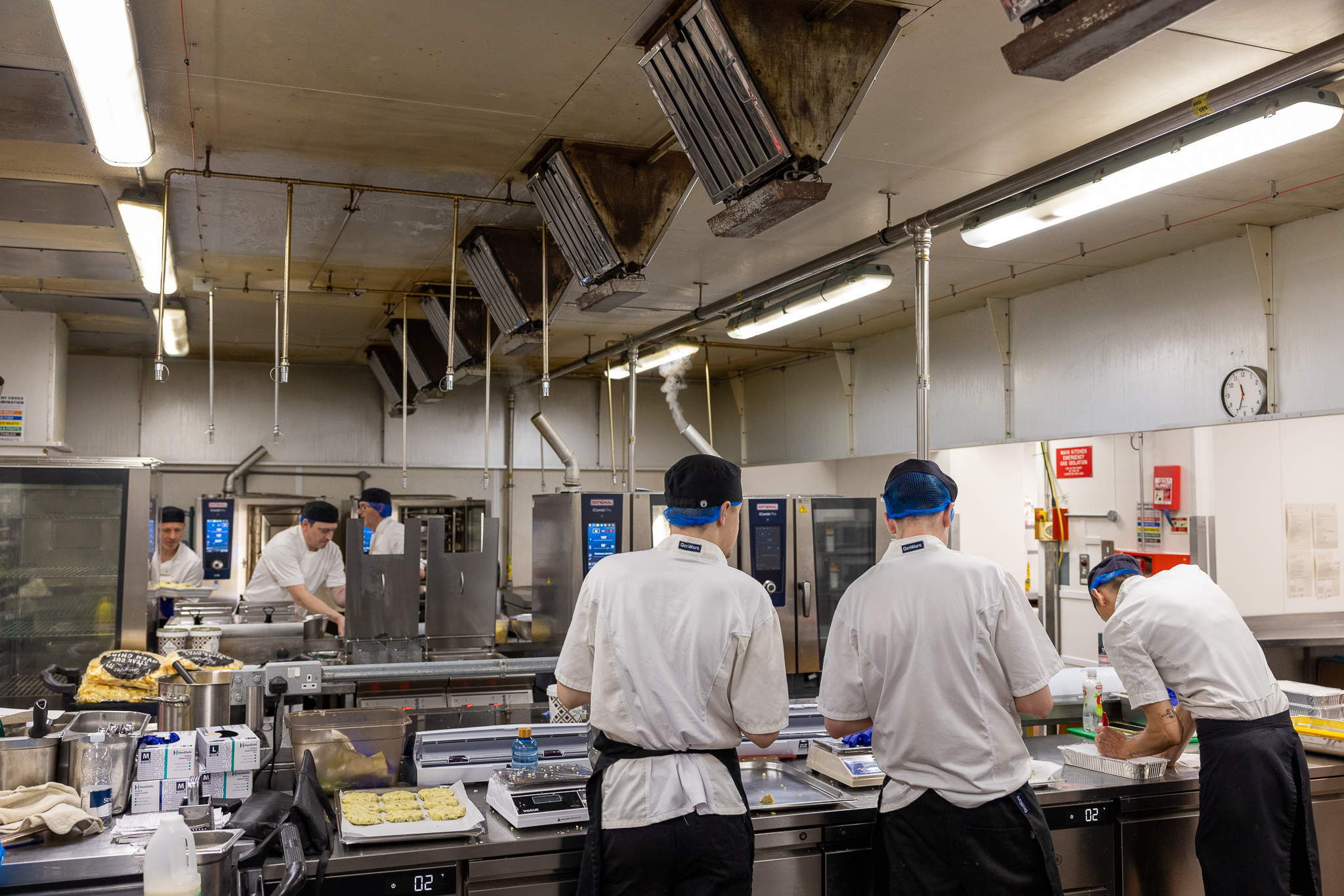 In a busy hospital kitchen, safety is every bit as important as speed and efficiency. At Yeovil District Hospital, the catering team is using Speedwrap Pro cling film, aluminium foil and baking parchment refills alongside the new Speedwrap Pro dispensers – helping make everyday food preparation safer, quicker and easier for the team.
For Mathieu Eke, Head of Facilities, Hotel Services, protecting staff from avoidable injury is a key part of maintaining a resilient catering operation. Traditional catering dispensers with exposed cutting edges can pose a risk in a fast-paced kitchen, where teams may be wrapping, covering and preparing hundreds of items throughout a shift.
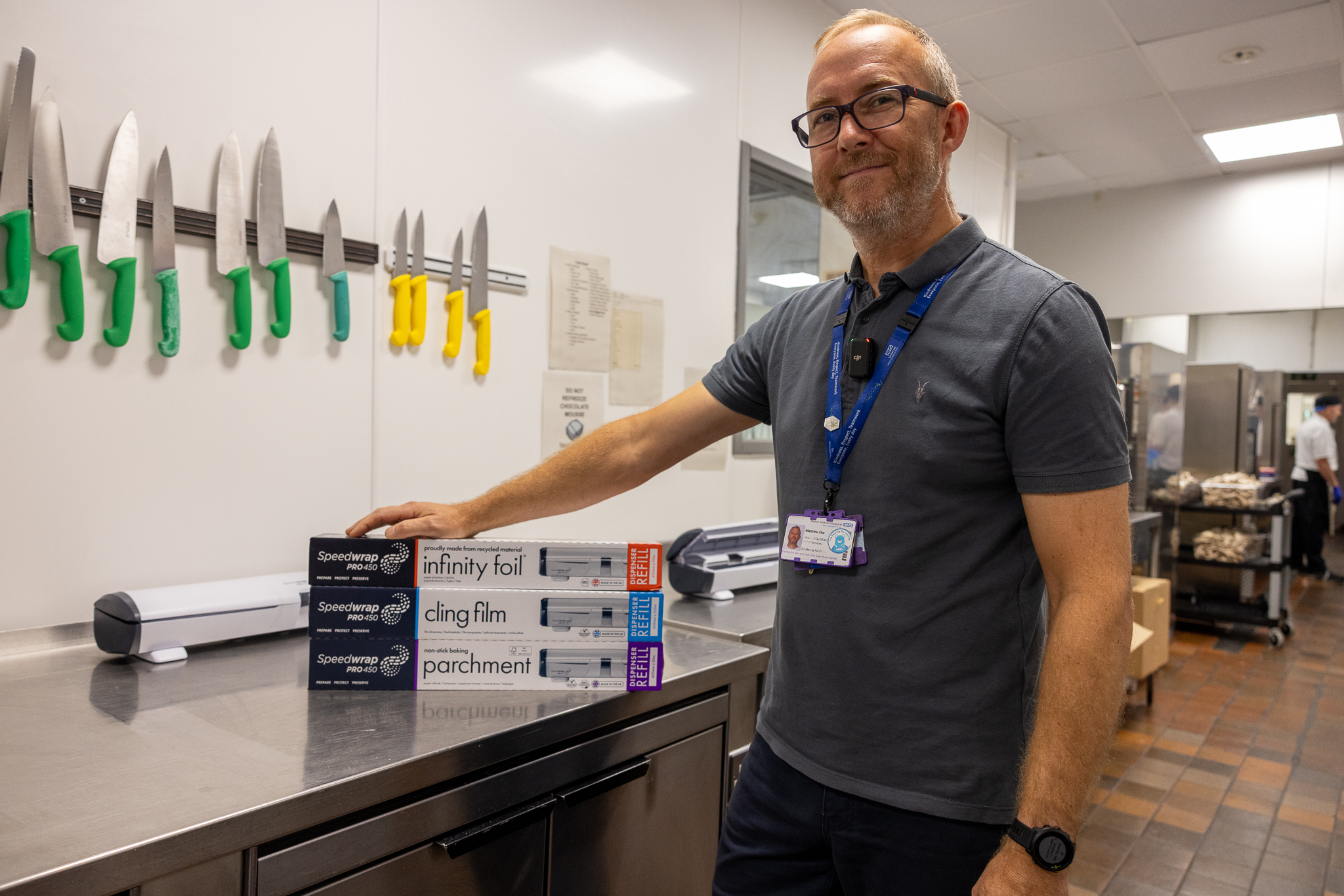 “The concealed blade is such a simple feature, but from a health and safety perspective it makes complete sense,” says Mathieu. “A cut in the kitchen isn’t just an inconvenience. Depending on the injury, you could lose a member of the team while they receive treatment and then have to manage the operational impact of their absence. If equipment can help us reduce that risk while making the job easier, that’s a real benefit.”
The Speedwrap Pro features a patented concealed safety blade that only activates when pressure is applied to the lid, helping reduce the risk of accidents while delivering a clean, consistent cut.Designed for demanding professional kitchens, the dispenser keeps the roll contained and under control, allowing catering teams to dispense cling film, foil or parchment quickly, without wrestling with tangled material or damaged cardboard boxes.
 Simon Garrett, Head of Foodservice at Wrapex, said he was delighted to see Speedwrap Pro products in use in the busy kitchens at Yeovil District Hospital.
He said:
“The Speedwrap Pro dispenser also features BioCote™ antimicrobial technology, which inhibits microbial growth on the dispenser surface by up to 99.99%, supporting the high standards of hygiene and food safety that are essential in busy hospital kitchens.”
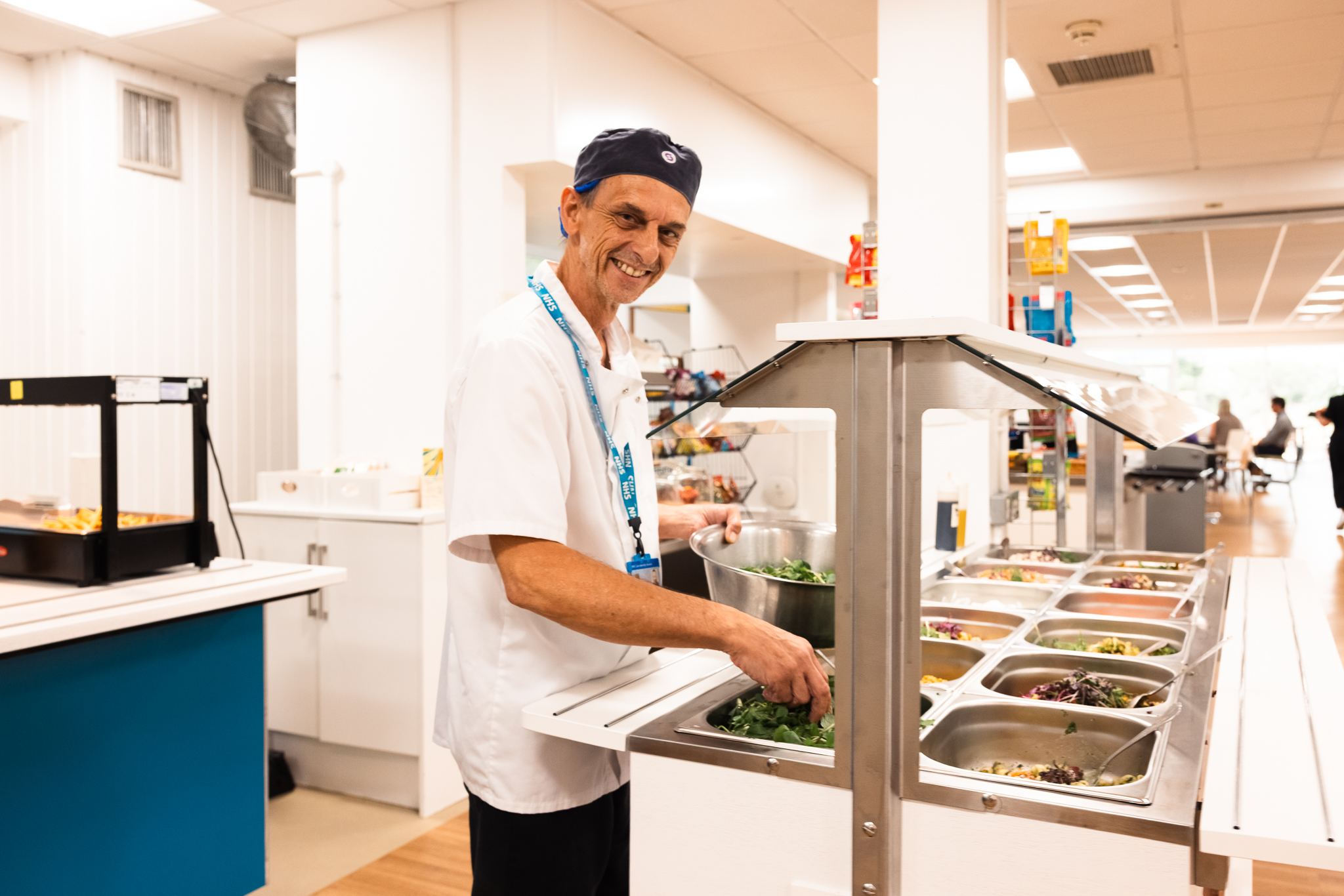 For Head Chef Derek James, that combination of safety and usability matters on the kitchen floor.
“We use cling film, foil and parchment constantly, so the dispenser needs to work with the chef, not slow them down,” says Derek. “The Speedwrap Pro, available in 300 and 450mm dispensers, delivers a neat cut, keeps the product under control, and, most importantly, keeps the blade concealed. It makes a routine task quicker and safer for everyone.”
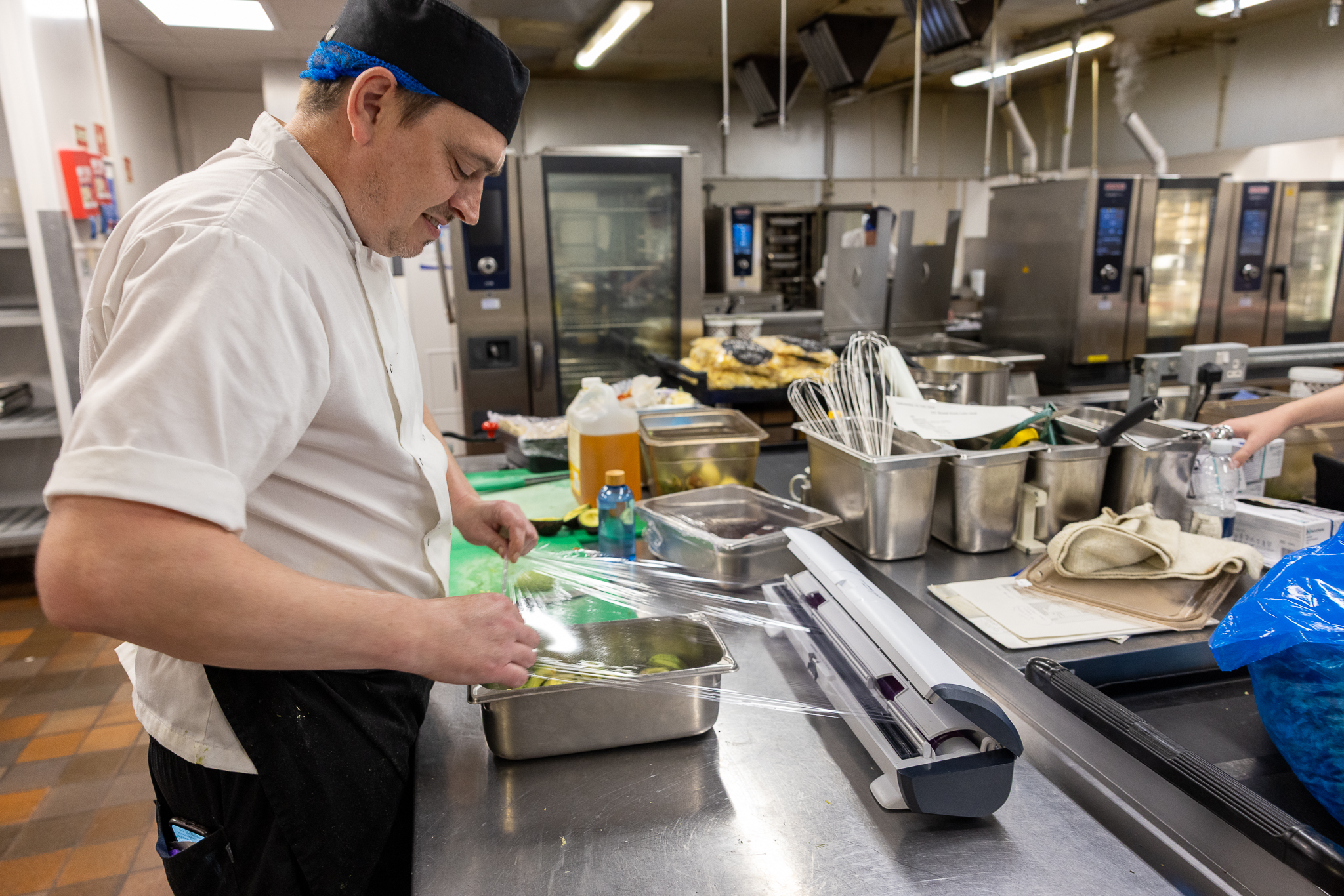 Better control can also mean less material is pulled from the roll unnecessarily, supporting Yeovil’s drive to reduce waste and use resources responsibly. The robust dispenser is designed for repeated use with plastic-free, fully recyclable refill rolls, reducing reliance on disposable cardboard cutting boxes.
For Mathieu, it demonstrates how relatively small changes can contribute to broader objectives around staff wellbeing, efficiency and sustainability.
“Modernising a hospital catering operation isn’t only about major kitchen equipment,” he adds. “It’s also about reviewing the products our teams use every day and asking whether there is a safer, smarter and more sustainable way of doing things. Wrapex is helping us achieve exactly that.”
Would you like a Speedwrap Pro to revolutionise your hospital kitchen?
 Email: sales@wrapex.co.uk or Tel: 0117 965 7000
www.wrapex.com
Photography by Carlos Farinha @carlosclickuk
Chef of the Week Sponsored by Pure Ionic Water: Aline Quina, Chef Patron at Filo
Chef of the Week sponsored by Pure Ionic Water celebrates the chefs that embody Pure Ionic Water’s core philosophy of ‘enhancing the culinary experience‘.
Pure Ionic Water works in many kitchens up and down the country from the pinnacle of Michelin stars to 5-star hotels, uniting them all, the desire to serve the very best. Understanding the difference premium hydrogen enhanced alkaline water makes to food, to the kitchen team’s performance and ultimately to the business’s profits is easy, just ask around.
“I only trust Pure Ionic Water at home and in my restaurant.”
Sat Bains, Chef Parton, Restaurant Sat Bains, 2 Michelin stars
For more information about Pure Ionic Water CLICK HERE
How long have you worked at your current restaurant?
I founded Filó Brasil in 2020, and since then I have been dedicated to showcasing authentic Brazilian cuisine in London, celebrating the diversity and richness of Brazil’s culinary heritage.
Where did your passion for cooking come from and where did you learn your skills?
My passion for cooking comes from my family and my Brazilian roots. Food has always been a way of bringing people together. I developed my skills through years of hands-on experience, studying traditional Brazilian techniques, travelling across different regions of Brazil, and continually learning from other chefs and producers.
What do you enjoy most about being a chef?
Creating memorable experiences through food. I love seeing guests discover Brazilian flavours, sharing our culture, and mentoring young chefs to grow in confidence and skill.
Name three ingredients you couldn’t cook without.
Cassava, fresh coriander, and chilli.
Which piece of kitchen equipment couldn’t you live without?
A sharp chef’s knife.
What food trends are you spotting at the moment?
There is a growing appreciation for regional cuisines, sustainable sourcing, plant-based creativity, and authentic storytelling through food. Diners want genuine experiences rather than trends for the sake of trends.
What do you think is a common mistake that lets chefs down?
Trying to overcomplicate dishes. Great cooking is about respecting ingredients, consistency, and attention to detail.
What is your favourite time of year for food, and why?
Summer. It brings an abundance of fresh produce, vibrant colours, and opportunities to showcase lighter Brazilian dishes and barbecue traditions.
Which of your dishes are you most proud of?
Our Moqueca. It represents the soul of Brazilian coastal cuisine, balancing fresh seafood, coconut milk, dendê oil, peppers and herbs in a way that is both comforting and elegant.
How do you come up with new dishes?
I draw inspiration from Brazilian traditions, seasonal British produce, conversations with suppliers, and memories of home. I like combining authenticity with contemporary presentation.
Who was your greatest influence?
My family, especially the women who taught me that cooking is an act of generosity and love.
Tell us three chefs you admire.
Alex Atala, Sat Bains, and Ferran Adrià.
What is your favourite cookbook?
D.O.M.: Rediscovering Brazilian Ingredients by Alex Atala.
Who do you think are the chefs to watch over the next few months?
I believe chefs who champion sustainability, local sourcing, and underrepresented cuisines will continue to make the biggest impact.
What’s been your favourite new restaurant opening of the last year?
I always enjoy seeing independent restaurants that celebrate their own cultural identity. London continues to be one of the most exciting cities in the world for diverse dining.
Chef of the Week Sponsored by Pure Ionic Water: Dipna Anand, Chef Patron at Brilliant Gastro
Chef of the Week sponsored by Pure Ionic Water celebrates the chefs that embody Pure Ionic Water’s core philosophy of ‘enhancing the culinary experience‘.
Pure Ionic Water works in many kitchens up and down the country from the pinnacle of Michelin stars to 5-star hotels, uniting them all, the desire to serve the very best. Understanding the difference premium hydrogen enhanced alkaline water makes to food, to the kitchen team’s performance and ultimately to the business’s profits is easy, just ask around.
“I only trust Pure Ionic Water at home and in my restaurant.”
Sat Bains, Chef Parton, Restaurant Sat Bains, 2 Michelin stars
For more information about Pure Ionic Water CLICK HERE
How long have you worked at your current restaurant?
I’ve been at my current gastropub for one year and two months, which is when we opened it. As the owner, I’ve been involved in every aspect of building and running the business from day one.
Before opening the gastropub, I helped run my family’s restaurant alongside my dad. The restaurant was established in 1975, so hospitality has always been a huge part of my life. I actually started helping my mum and dad at the restaurant from a very young age, around five or six years old, on weekends. As I got older, I began doing my work experience there and then officially started working as soon as I was old enough to in the UK.
So, although I’ve been at my current restaurant for just over a year, I’ve spent my whole life in the hospitality industry. Growing up in a family-run restaurant has given me decades of hands-on experience and a real passion for delivering great food and excellent customer service.
Where did your passion for cooking come from and where did you learn your skills?
My passion for cooking comes from my parents. My biggest role model, mentor and hero has always been my dad. From a young age, he encouraged me to follow my passion and nurtured my love for food and hospitality. My mum also played a huge role in inspiring me, particularly with home-style cooking and the importance of cooking with love and care.
I learned my skills from both of them. My dad taught me restaurant-style cooking, professional kitchen techniques and the discipline that’s needed to run a successful restaurant, while my mum taught me authentic home-style cooking and the traditional family recipes that have been passed down through generations.
I’m also inspired by some of the industry’s greatest chefs, including James Martin, Mary Berry, Michel Roux and Gordon Ramsay. Watching their careers and learning from their approach to food has been a real source of motivation throughout my own journey.
Alongside the practical experience, I developed my knowledge through education. I completed a degree in Hospitality and Catering with Food Studies at the University of West London before going on to complete a master’s degree. That gave me a strong understanding of the theory behind food, hospitality and business, which I was then able to put into practice every day while working in my family’s restaurant.
A huge part of my learning has also come from hands-on experience. Growing up and working in my dad’s restaurant gave me the opportunity to learn on the job, and I truly believe that’s where some of the most valuable lessons are learned. Even today, I’m still learning—that’s one of the things I love most about this industry. There’s always something new to discover, and that’s what keeps my passion for cooking alive
What do you enjoy most about being a chef?
What I enjoy most about being a chef is the ability to make people happy through food. There’s something incredibly rewarding about creating a dish that brings back memories, brings families together or simply puts a smile on someone’s face. Food has a unique way of connecting people, and I feel very privileged to be part of those moments.
I’m also a real people person. I love meeting new people, hearing their stories and building relationships with our customers. One of the most rewarding parts of my job is seeing people enjoy the food we’ve created and knowing they’ve had a great experience. I never take that support for granted because it’s the people who make you successful. The love and loyalty we’ve received over the years means everything to me.
I especially love working alongside my dad. When we’re together, it’s amazing to see how people connect with us and how much affection they show our family. It reminds me that hospitality is about much more than food, it’s about making people feel welcome and creating lasting memories.
I also love the creativity that comes with being a chef. Whether I’m developing new recipes, celebrating traditional family dishes or putting my own twist on classic recipes, there’s always an opportunity to create something exciting while staying true to my roots.
Finally, I love that this industry never stops teaching you. No matter how much experience you have, there’s always a new technique, ingredient or idea to discover. I’m constantly learning, and I think that’s one of the most exciting things about being a chef. It keeps me inspired, challenged and passionate about what I do every single day.
Name three ingredients you couldn’t cook without.
If I had to choose three ingredients I couldn’t cook without, they would be garam masala, fresh coriander and dried fenugreek leaves.
- Garam masala is the heart of so many of my dishes. Every family has their own blend, and ours has been passed down through generations. It adds warmth, depth and complexity, and it’s an essential part of my cooking.
- Fresh coriander is something I use almost every day. It brings freshness, vibrancy and balance to a dish, whether it’s used as a garnish, blended into chutneys or cooked into sauces.
- Dried fenugreek leaves, or kasuri methi, are another ingredient I couldn’t be without. They have a unique aroma and slightly earthy, buttery flavour that adds an incredible depth to curries and restaurant-style dishes. It’s often that final touch that elevates a dish and makes it truly memorable.
Those three ingredients are staples in my kitchen and represent the flavours I grew up with and continue to cook with today.
Which piece of kitchen equipment couldn’t you live without?
Without a doubt, the one piece of kitchen equipment I couldn’t live without is my Retigo combi oven. Honestly, it’s a complete game changer and one of the best investments we’ve made in the kitchen. What I love about it is its versatility. Whether I’m roasting, steaming, baking or slow-cooking, it delivers consistent results every single time. It gives me complete control over temperature and humidity, which means I can produce high-quality food while maintaining flavour, texture and moisture. As someone who runs a busy restaurant, consistency is everything. The Retigo combi oven helps us deliver the same standard of food to every customer, every service, and it also makes the kitchen far more efficient. I still love cooking on the stove and using traditional methods, but if there was one piece of equipment I couldn’t be without, it would definitely be my Retigo combi oven. It’s an absolute game changer, and I genuinely love cooking with it.
What food trends are you spotting at the moment?
One of the biggest food trends I’m seeing at the moment is that people are becoming much more interested in authentic food. They’re looking beyond generic versions of dishes and want to experience regional flavours, traditional cooking techniques and the stories behind the food. I think people are much more adventurous now and really appreciate authenticity.
There’s also a big focus on fresh, high-quality ingredients and cooking from scratch. Diners want to know where their food comes from, and they’re increasingly interested in seasonal produce and dishes that have been made with care rather than convenience.
Health is another major trend. People still want food that’s full of flavour, but they’re also looking for balanced meals, lighter options and ways to enjoy their favourite dishes without compromising on taste.
Social media has also had a huge impact on the industry. People love discovering new restaurants and dishes online, but I think the trend is moving beyond food that’s simply Instagram-worthy. Customers want food that not only looks amazing but actually delivers on flavour and quality.
For me, one trend that will never go out of fashion is genuine hospitality. Great food will always bring people through the door, but it’s the warmth, service and overall experience that keep them coming back.
What do you think is a common mistake that lets chefs down?
I think one of the biggest mistakes that lets chefs down is having too much ego. Cooking is an industry where you’re learning every single day, and no matter how experienced you are, there’s always something new to discover. The best chefs stay humble, keep asking questions and never stop learning.
Another common mistake is losing consistency. You can create an incredible dish once, but as a chef, your job is to produce that same quality every single service, for every single customer. Consistency is what builds trust and keeps people coming back.
I’d also say that not tasting your food enough is a mistake. Seasoning, balance and flavour are everything, and you should never assume a dish is perfect without tasting it.
Finally, I think some chefs can become so focused on the food that they forget who they’re cooking for. At the end of the day, we’re in the hospitality industry. It’s about making people happy, creating memorable experiences and giving every guest a reason to come back. Great food is only one part of that, the people are what make this industry so special.
What is your favourite time of year for food, and why?
My favourite time of year has to be Diwali. It’s such a special celebration because it’s all about family, togetherness and, of course, food.
For me, Diwali is a time to celebrate, indulge and enjoy being with the people you love. Food plays such a huge part in the festival, and I especially look forward to all the traditional sweets. I’ve definitely got a sweet tooth, so it’s the one time of year when I can really enjoy and experiment with different desserts and sweet treats, from family recipes to creating new twists on classic favourites.
I also love the atmosphere around Diwali. There’s a real sense of joy, generosity and celebration, and food is at the heart of it all. It’s about sharing meals, sharing sweets and creating memories with family and friends.
As a chef, it’s one of the most inspiring times of the year. It gives me the chance to be creative, celebrate my heritage and introduce people to the incredible flavours and traditions that make Diwali so special. It’s a time I genuinely look forward to every year.
Which of your dishes are you most proud of?
I’m probably most proud of my Butter Chicken. There are lots of traditional Butter Chicken recipes, but I wanted to create a version that was quicker and more accessible for people to cook at home without compromising on flavour.
The recipe I created, which I demonstrated on television and included in my latest cookbook, is my own express version. It captures all the richness, depth and authenticity of a classic Butter Chicken but takes much less time to prepare, making it achievable for busy home cooks.
What makes me most proud isn’t just the recipe itself, it’s the response it’s had. So many people have cooked it, shared it and told me how much they love it. Knowing that I’ve helped people recreate a restaurant-quality dish in their own kitchens is incredibly rewarding.
For me, that’s what cooking is all about: making delicious food accessible, giving people the confidence to cook, and creating recipes that families will enjoy together. Seeing my Butter Chicken become one of those recipes is something I’m really proud of.
How do you come up with new dishes?
New dishes come to me in lots of different ways. A huge source of inspiration is my travels across India. Every region has its own unique ingredients, flavours and cooking techniques, and I love discovering authentic recipes and then bringing those ideas back to my own kitchen.
I’m also inspired by the seasons and by what’s available locally. I enjoy taking traditional Indian flavours and pairing them with seasonal British ingredients to create dishes that feel both authentic and contemporary.
Sometimes inspiration comes from home. I’ll remember a dish my mum or dad used to cook, or a family recipe that’s been passed down through generations, and I’ll think about how I can adapt it for today’s home cook or for my restaurant menu.
When I’m creating a new dish, it’s all about experimenting. I’ll test different spice combinations, cooking methods and ingredients until I’m completely happy with the balance of flavours. My family and team are always my first taste testers, and I don’t put a dish on the menu or into a cookbook until I know it’s exactly right.
Ultimately, every new dish has to tell a story. It has to respect tradition while offering something fresh, and most importantly, it has to be something that people will genuinely enjoy cooking and eating.
Who was your greatest influence?
Without a doubt, my greatest influence has been my dad. I’ve learned so much from him over the years, and even today I’m still learning. It’s not just his recipes that have shaped me, it’s his work ethic, his determination and his incredible can-do attitude. No task is ever too big for him, he just gets on with it. To me, he’s like Superman. Watching the way he’s built our family business and the passion he puts into everything he does has inspired me throughout my life and career.
Another huge influence on me is my grandfather. Sadly, I never had the opportunity to meet him, but I feel incredibly connected to him through the stories my dad has shared over the years. I’ve heard so much about his cooking, his values and the legacy he created that I feel inspired by him every day.
A big part of what drives me is wanting to keep that family legacy alive. I want to honour the recipes, traditions and values that have been passed down through generations and do them justice. I hope that through my cooking, my restaurants and my work, I’m making both my dad and my grandfather proud.
Tell us three chefs you admire.
If I had to choose three chefs I admire, the first would definitely be James Martin. I’ve always loved his style of cooking because it’s honest, approachable and all about great ingredients. He’s also been incredibly supportive of me and my family over the years, which means a great deal. It was a real honour to have him write the foreword for my third cookbook, and he’s someone I’ve always looked up to, both professionally and personally.
The second chef would be Mary Berry. I have so much admiration for her. At this stage in her career, she’s still working with such passion, energy and professionalism. I had the privilege of filming with her, and it was an experience I’ll never forget. I was amazed by her work ethic and how focused she was throughout the shoot. She was so efficient and completely in control, it was incredibly inspiring to watch. She’s a wonderful lady and someone I have enormous respect for.
The third chef I admire is Michel Roux. I’ve known him since the days when I had my pop-up restaurant in Chelsea, and he’s always been incredibly supportive. He very kindly wrote the foreword for one of my books, and over the years he’s shared some fantastic advice that I’ve really valued. His knowledge, experience and generosity towards other chefs are qualities I really admire.
I’m very fortunate to have met and learned from people like James, Mary and Michel. They’ve all inspired me in different ways, and their encouragement and support have meant a great deal throughout my career.
What is your favourite cookbook?
My favourite cookbook is Tandoor: The Great Indian Barbecue. I love it because it celebrates one of the most iconic styles of Indian cooking and really showcases the incredible versatility of the tandoor.
The book is full of authentic recipes, bold flavours and traditional techniques, but it’s also incredibly inspiring. Every time I pick it up, I discover something new, whether it’s a different marinade, a regional recipe or a fresh approach to cooking over fire.
I love books that not only teach you recipes but also tell the story behind the food, and this one does exactly that. It reminds me of the rich heritage of Indian cuisine and inspires me to keep exploring, learning and developing my own recipes.
Even after all these years, I still enjoy going back to it for inspiration. That’s the mark of a truly great cookbook.
Who do you think are the chefs to watch over the next few months?
There are so many talented chefs making their mark at the moment, but three who I think are definitely worth watching are Vivek Singh, Tom Shepherd and Atul Kochhar.
- Vivek Singh has been a huge inspiration for Indian chefs in the UK. What he’s achieved with The Cinnamon Club and the Cinnamon Collection has helped redefine how Indian cuisine is viewed, showcasing its sophistication while staying true to its roots. I actually had the privilege of cooking alongside Vivek today at the all-star dinner celebrating 30 years of The Cinnamon Club, and it was fantastic to see so many great chefs come together to celebrate such an incredible milestone. He’s constantly evolving, innovating and inspiring the next generation of chefs.
- Tom Shepherd is another chef to watch. I love his creativity and the way he combines modern techniques with bold, memorable flavours. He’s constantly pushing himself and producing dishes that are both innovative and beautifully executed. I think he’s got a very exciting future ahead of him.
- Atul Kochhar is someone I have enormous respect for. He has played a huge role in putting Indian cuisine on the fine dining map in the UK and has inspired so many chefs along the way. I admire how he continues to evolve while remaining true to authentic Indian flavours. Whether through his restaurants, television appearances or cookbooks, he’s done an incredible job of showcasing the diversity and quality of Indian food, and I think he’ll continue to influence the industry for many years to come.
What all three of these chefs have in common is that they’re authentic. They’ve each stayed true to their own style while continually pushing boundaries, and they’re helping to shape the future of our industry in different but equally inspiring ways.
What’s been your favourite new restaurant opening of the last year?
Although I haven’t had the chance to dine there yet, the restaurant opening that’s excited me the most over the last year is Restaurant Gordon Ramsay High at 22 Bishopsgate.
I’ve followed its journey since it opened, and after watching the Netflix documentary and seeing what James Goodyear and the team have created, it’s become one of the restaurants I’m most looking forward to visiting. The level of precision, creativity and attention to detail is incredibly inspiring, and I love seeing chefs continue to push the boundaries of what’s possible.
What I also admire is that, despite being such an ambitious project in an incredible location, the focus still seems to be on exceptional food and genuine hospitality. That’s something I really respect as a chef.
It’s definitely at the top of my list, and I’m looking forward to experiencing it for myself. I think it’s a fantastic addition to London’s dining scene and a great example of how our industry continues to evolve and inspire.
Chef of the Week Sponsored by Pure Ionic Water: Carl Newey, Food Development Manager at Stonegate Group
Chef of the Week sponsored by Pure Ionic Water celebrates the chefs that embody Pure Ionic Water’s core philosophy of ‘enhancing the culinary experience‘.
Pure Ionic Water works in many kitchens up and down the country from the pinnacle of Michelin stars to 5-star hotels, uniting them all, the desire to serve the very best. Understanding the difference premium hydrogen enhanced alkaline water makes to food, to the kitchen team’s performance and ultimately to the business’s profits is easy, just ask around.
“I only trust Pure Ionic Water at home and in my restaurant.”
Sat Bains, Chef Parton, Restaurant Sat Bains, 2 Michelin stars
For more information about Pure Ionic Water CLICK HERE
How long have you worked at your current restaurant?
I have been working with Stonegate Group for nearly five years.
Where did your passion for cooking come from and where did you learn your skills?
I think my passion came from my mum, she always tried to do the best she could with what we could afford at the time. I trained at the Birmingham College of Food (now University College Birmingham) and worked at Malmaison and Hotel du Vin around the UK.
What do you enjoy most about being a chef?
Being able to be creative, play and develop new flavours and work with some brilliant chefs in the business. I love developing new ideas with our chefs to create dishes that our guests will love and want to come back for.
Name three ingredients you couldn’t cook without.
Salted butter, fresh herbs and hot honey… although ask me again in a week and I will have changed my mind!
Which piece of kitchen equipment couldn’t you live without?
My Thermomix, Rational, knives, spoons… too many things to mention!
What food trends are you spotting at the moment?
Comforting dishes elevated with premium ingredients, bold global flavours, and shareable formats that deliver both value and a memorable experience.
What do you think is a common mistake that lets chefs down?
So many elements on one dish. Simplification is key these days, just have 3 or 4 ingredients on the plate but make sure they are on point and deliver a great experience to your guests.
What is your favourite time of year for food, and why?
Autumn going into winter, the perfect time for slow cooked, hearty food. Cold weather but heart-warming food that makes you smile and soothes your soul.
Which of your dishes are you most proud of?
Hmmm… probably our pies and Sunday lunch offer, we continually get rave reviews for both, our guests keep coming back for them.
How do you come up with new dishes?
Visiting new places, checking out other socials, reading a new recipe book but probable mostly spending time out in London visiting different establishments.
Who was your greatest influence?
My first Head Chef at Malmaison, he was driven by quality and instilled that into his team, he wouldn’t accept anything that wasn’t right and he wasn’t proud to serve. It’s a line that I still work too now, and I reflect on when working on development.
Tell us three chefs you admire.
- Clare Smyth
- The Boys from Fallow (Will Murray and Jack Croft)
- Marco Pierre White
What is your favourite cookbook?
Marco Pierre White – White Heat or Le Repertoire de la Cuisine.
Who do you think are the chefs to watch over the next few months?
Deepak Mallya, he has gone from strength to strength and is really one to watch.
What’s been your favourite new restaurant opening of the last year?
Buvette – the return of a globally influential bistro concept that reflects the continued move towards all-day dining and accessible hospitality, plus it’s labelled as a “gastrothèque”… who wouldn’t love that.
Cateys 2026 Winners: David Moore, Sir Rocco Forte and Mary-Ellen McTague win Top Accolades
 The winners of the annual Catey Awards were announced on 7th July at the JW Marriott Grosvenor House London, where more than 1,000 of the UK’s leading hospitality professionals gathered. Widely regarded as the Oscars of the hospitality industry, the Cateys celebrate excellence across the sector.
Renowned restaurateur and founder of Pied à Terre in London’s Fitzrovia David Moore and celebrated Manchester chef Mary-Ellen McTague took home two of the top accolades at the 2026 Cateys, held in partnership with Square. Meanwhile, Sir Rocco Forte and Lady Olga Polizzi were awarded the International Outstanding Achievement Award for their creation of a collection of design-led hotels that have served to redefine modern luxury hospitality.
Moore picked up the Lifetime Achievement award for a career spanning more than three decades at the forefront of British hospitality. He opened his acclaimed restaurant on Charlotte Street in 1991, which remains the capital’s longest-standing Michelin-starred restaurant, having retained its star for more than 30 years.
The Special Award was presented to Manchester chef Mary-Ellen McTague in recognition of her outstanding work establishing charity Eat Well MCR. Since its inception in 2020 the organisation has grown to deliver some 2,500 meals a month to families living in temporary accommodation, women taking refuge in sheltered accommodation and families experiencing food poverty and inequality.
 Sir Rocco Forte and his sister Lady Olga Polizza were honoured with the International Outstanding Achievement Award for their intuitive approach to service and unwavering commitment to developing people. Their influence extends far beyond the landmark hotels themselves, with former colleagues praising the pair for nurturing talent and creating opportunities for others.
 The 2026 Chef Award was won by John Williams, executive chef at the Ritz London. Williams, who oversees a kitchen of over 60 chefs, joined the famous London hotel in 2004. No stranger to the Cateys, he won the Special Award Catey in 2017 and devised the menu for a milestone year when the Cateys celebrated its 40th anniversary in 2023.
Meanwhile, Alice Bussi, who won Food and Beverage Manager of the Year at the 2018 Hotel Cateys, and Acorn alumnus Allister Barsby, took home Restaurateur of the Year – Independent for their Kent restaurant Hide and Fox. The restaurant won a second Michelin star in last year’s guide. Flat Iron’s Tom Byng, who has led the steak chain restaurant since 2021, took home the gong for Restaurateur of the Year – Group.
 This year saw the introduction of the Pastry Chef of the Year Award, launched to celebrate creativity and distinction within the discipline. The inaugural winner was Ross Sneddon, executive pastry chef at the Balmoral, Edinburgh, and Brown’s hotel, London.
To recognise a business demonstrating all the qualities that its This is Hospitality campaign promotes, The Caterer awarded a one-off prize, decided for the first time by an industry vote. The worthy winner was south-west family-run hospitality company the Pony Group, founded by sibling duo Josh and Holly Eggleton. The Caterer readers voted for the group having been inspired by its unwavering commitment to giving back, which include taking its Pony Bus to schools and events to provide food education as part of the work of its Community Interest Company.
The Caterer editor James Stagg said: “Congratulations to all of our outstanding winners. It has been special to be able to celebrate such excellence in hospitality at an event that demonstrates just what the best of the best can deliver. For that we are truly grateful to event partner Square for its support and the team at Exclusive Hotels for their determination to use the Cateys as a force for good, delivering an outstanding menu and memorable overall experience.
“From driving the seasonality and local sourcing of the menu, including growing all the elderfl ower for our ‘Hugo Spritz’ dessert wine and mint for the mint tea, to bringing a taste of its spa experiences, Exclusive Collection elevated the awards to new levels. Thanks also to Matthew Clark Bibendum, who rose to the challenge of supplying English wine that partnered perfectly with the Exclusive Collection menu. It’s a night all of our guests will cherish.”
 Cateys guests enjoyed a feast designed by six chefs from hotel group Exclusive Collection. All ingredients were sourced from the British Isles and surrounding waters with many grown or foraged from the group’s estate grounds. The menu included dishes such as a starter of Cornish crab, custard, cucumber, apple and culture cream from Steve Smith, head chef at one-Michelin-starred Latymer restaurant at Pennyhill Park.
Ben Wilkinson, head chef at one-Michelin-starred restaurant the Pass, South Lodge, cooked an exquisite main course of roast loin of lamb with dumpling of lamb shoulder and liver, grilled gem lettuce and roasted new potatoes. For dessert, guests were treated to Sarah Frankland’s Eton Mess which included Pennyhill Park honey, New Forest strawberries, and English apple cider balsamic sorbet.
The 2026 Cateys winners
This Is Hospitality Award
Josh Eggleton and Holly Eggleton, the Pony Family
Best Marketing Campaign Award
Sponsored by RK Goodman
Feast Events
Manager of the Year Award
Sponsored by Hobart
Jennifer McCabe, art’otel London Battersea Power Station
Best Use of Technology Award
Sponsored by Square
Canopy by Hilton London City
Public Sector Caterer Award
Sponsored by Bidfood
Olive Dining
Health and Nutrition Award
Sponsored by Venners
Jody Marshall, Meallmore
Newcomer Award
Sponsored by Tiptree
Hansom Restaurant
Menu of the Year Award
Sponsored by Rushton’s Green Grocers
Shwen Shwen
Sustainable Business Award (SME)
Sponsored by Foster & Gamko
Catch at the Old Fish Market
Sustainable Business Award
Sponsored by Unox
Levy UK & Ireland
Pub and Bar Award
Sponsored by Taylors of Harrogate
The Beckford Group
Restaurateur of the Year – Independent
Sponsored by Winterhalter
Alice Bussi and Allister Barsby, Hide and Fox
Restaurateur of the Year – Group
Sponsored by British Premium Meats
Tom Byng, Flat Iron
Best Employer Award
Sponsored by Harri
Pan Pacific London
Wine and Spirit Ambassador Award
Sponsored by Matthew Clark Bibendum
Sunny Hodge, Diogenes the Dog and aspen & Meursault
Education and Training Award
Sponsored by Lusso Staffing
Sonia Phelps, Thomas Franks
Hotel of the Year – Group
Sponsored by JJ Foodservice
Kimpton Fitzroy London
Hotel of the Year – Independent
Sponsored by Essity/Tork
The Belfry Hotel & Resort
Foodservice Caterer Award
Sponsored by Booker
Simon Houston and Dave Hawkes, Houston and Hawkes
Pastry Chef of the Year Award
Sponsored by CH&Co
Ross Sneddon, the Balmoral and Brown’s Hotel
Chef Award
Sponsored by Brakes
John Williams, the Ritz London
Special Award
Sponsored by Compass Group UK&I
Mary-Ellen McTague
International Outstanding Achievement Award
Sponsored by Alaska Seafood Marketing Institute
Sir Rocco Forte
Lifetime Achievement Award
Sponsored by Square
David Moore
Chef of the Week Sponsored by Pure Ionic Water: Rob Grist, Senior Brand Chef for Chophouse & Tavern at Evolv Collection
Chef of the Week sponsored by Pure Ionic Water celebrates the chefs that embody Pure Ionic Water’s core philosophy of ‘enhancing the culinary experience‘.
Pure Ionic Water works in many kitchens up and down the country from the pinnacle of Michelin stars to 5-star hotels, uniting them all, the desire to serve the very best. Understanding the difference premium hydrogen enhanced alkaline water makes to food, to the kitchen team’s performance and ultimately to the business’s profits is easy, just ask around.
“I only trust Pure Ionic Water at home and in my restaurant.”
Sat Bains, Chef Parton, Restaurant Sat Bains, 2 Michelin stars
For more information about Pure Ionic Water CLICK HERE
How long have you worked at your current restaurant?
One Year, but I have been with the Evolv Collection for seven Years.
Where did your passion for cooking come from and where did you learn your skills?
I gained my passion from my family, and whilst on the job.
What do you enjoy most about being a chef?
Working with beautiful British produce.
Name three ingredients you couldn’t cook without.
Salt, butter and garlic.
Which piece of kitchen equipment couldn’t you live without?
A bread knife.
What food trends are you spotting at the moment?
Sustainability is a trend I’m seeing lately.
What do you think is a common mistake that lets chefs down?
Not tasting their food.
What is your favourite time of year for food, and why?
Spring is definitely my favourite time of year for food. Specifically, for the wild garlic and lamb.
Which of your dishes are you most proud of?
Braised Lamb Shank with Wild Garlic and Spring Vegetables.
How do you come up with new dishes?
I spend a lot of time doing research and understanding the concept.
Who was your greatest influence?
Vincent Menager.
Tell us three chefs you admire.
- Marco Pierre White
- Gordon Ramsay
- Vincent Menager
What’s been your favourite new restaurant opening of the last year?
Chophouse and Tavern, obviously!
Free Hospitality Webinar: Helping Businesses Thrive in Uncertain Times
 With economic uncertainty continuing to challenge the hospitality sector, The Chefs’ Forum is bringing together three leading industry experts for a practical, solutions-focused webinar designed to help operators, suppliers and stakeholders strengthen their businesses, increase sales and improve operational resilience.
Taking place on Monday 10th August from 3.00pm–4.30pm, this free online webinar will provide actionable advice on growing revenue, sharpening marketing strategy, improving customer service and streamlining logistics during challenging trading conditions.
While attendance is completely free, participants will be invited to make a voluntary donation to Together for Venezuela, helping to provide vital humanitarian aid, medical equipment and essential supplies to communities affected by the recent devastating earthquake.
GoFundMe: www.gofund.me/64b46769f
Meet the Expert Panel
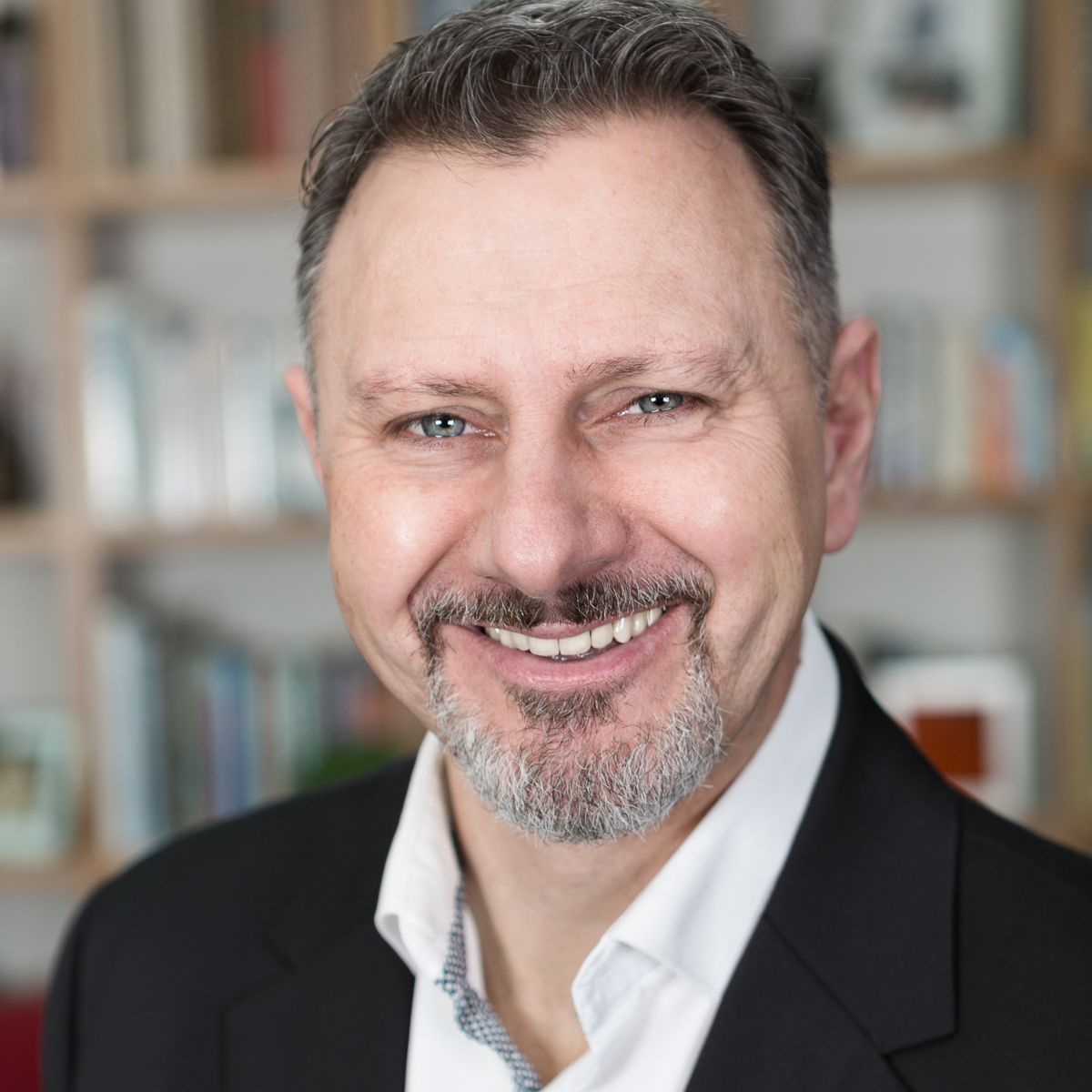 Andreas Nest – ActionCOACH Business Coach
Andreas Nest is an experienced business coach specialising in helping hospitality businesses increase sales, improve profitability and build stronger, more resilient organisations. His presentation, Make More Money Within Your Hospitality Business, explores why focus beats noise in today’s market, offering practical strategies around sales, customer experience, team performance and creating additional revenue streams. Andreas will demonstrate how every member of a hospitality team can contribute to sales growth while maintaining exceptional guest experiences.
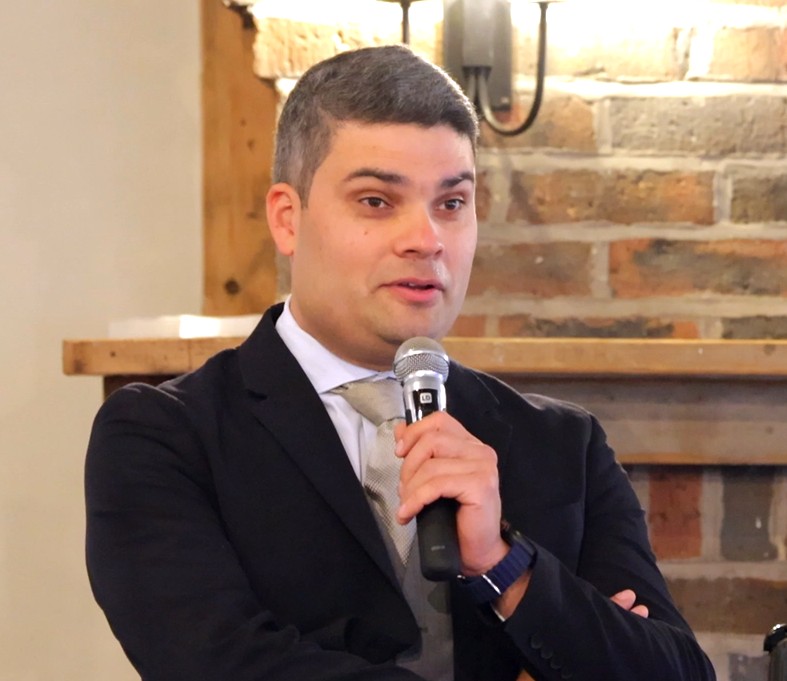 Jose Manuel Marcano – Hospitality Consultant
With extensive international hospitality experience, Jose Manuel Marcano advises businesses on operational excellence, logistics and service delivery. He will explore how improving supply chain efficiency, operational planning and customer service can strengthen resilience, protect profitability and enhance guest satisfaction, particularly during periods of economic uncertainty. Jose, a Venezuelan national, is also spearheading the ‘Together 4 Venezuela’ Appeal.
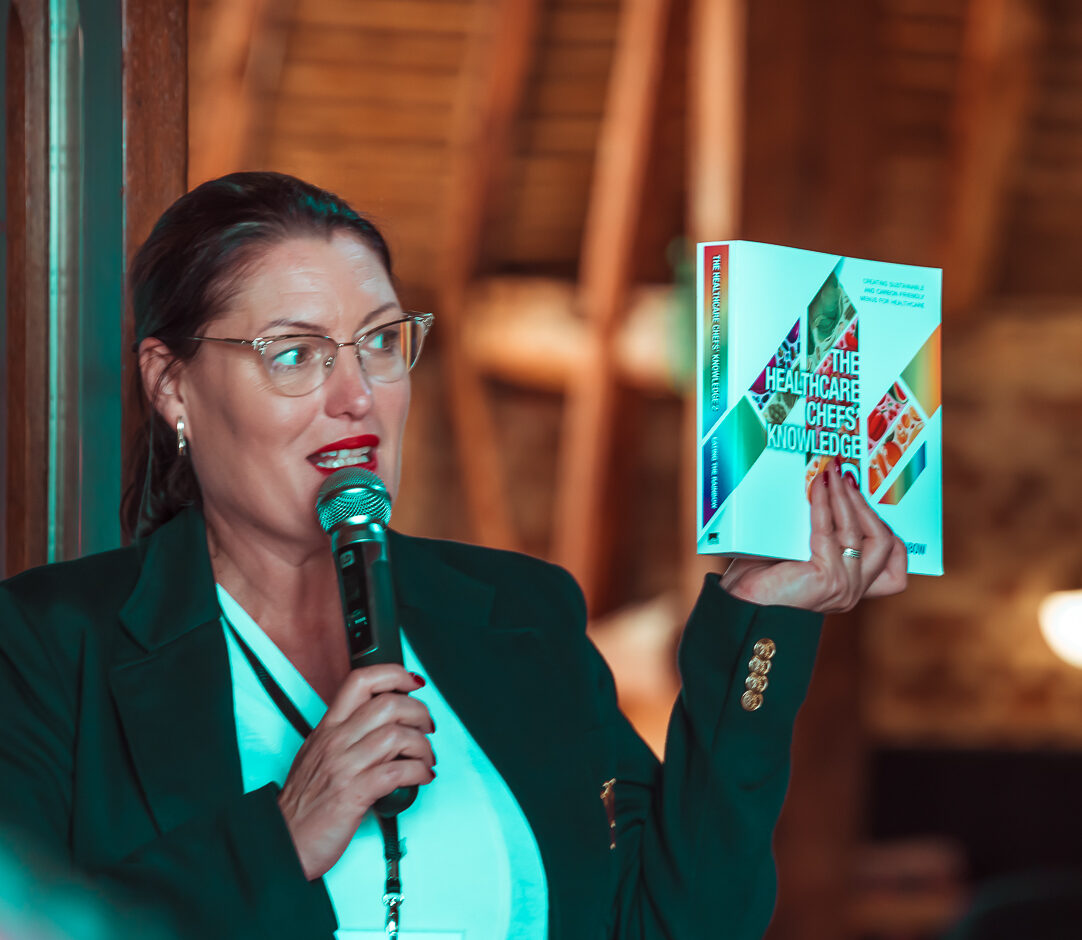 Catherine Farinha – Founder, The Chefs’ Forum
A leading food business strategist, Catherine Farinha has spent more than two decades connecting every part of the hospitality supply chain. As Founder of The Chefs’ Forum, she works with leading foodservice brands, colleges, healthcare providers and hospitality businesses to develop marketing strategies that generate commercial growth, build industry partnerships and create long-term value. Catherine will share practical approaches to marketing, brand positioning and building meaningful commercial relationships that deliver measurable return on investment.
Practical Advice You Can Implement Immediately
Whether you operate a restaurant, hotel, pub, catering business or supply products and services into hospitality, this webinar will provide practical tools and ideas that can be implemented immediately.
Topics will include:
- Building a marketing strategy that delivers measurable results
- Creating additional revenue opportunities
- Developing effective sales techniques across the whole business
- Improving logistics and operational efficiency
- Delivering consistently excellent customer service
- Building resilience during uncertain economic conditions
Event Details
Date: Monday 10th August 2026
Time: 3.00pm – 4.30pm
Venue: Online – Teams
Cost: Free to attend
Register here: https://events.teams.microsoft.com/event/1185ae55-add4-43c4-9fce-71f7c034172b@cd35e255-3c2e-4d2e-b2b8-ba83658cdde5
 Charity Appeal: Voluntary donations in support of Together for Venezuela, helping deliver life-saving medical equipment and humanitarian supplies to survivors of the recent earthquake. GoFundMe: https://gofund.me/36e1ced90
Places are expected to fill quickly, so early registration is recommended.