Mizkan Brings 220 Years of Japanese Flavour to the Modern Kitchen
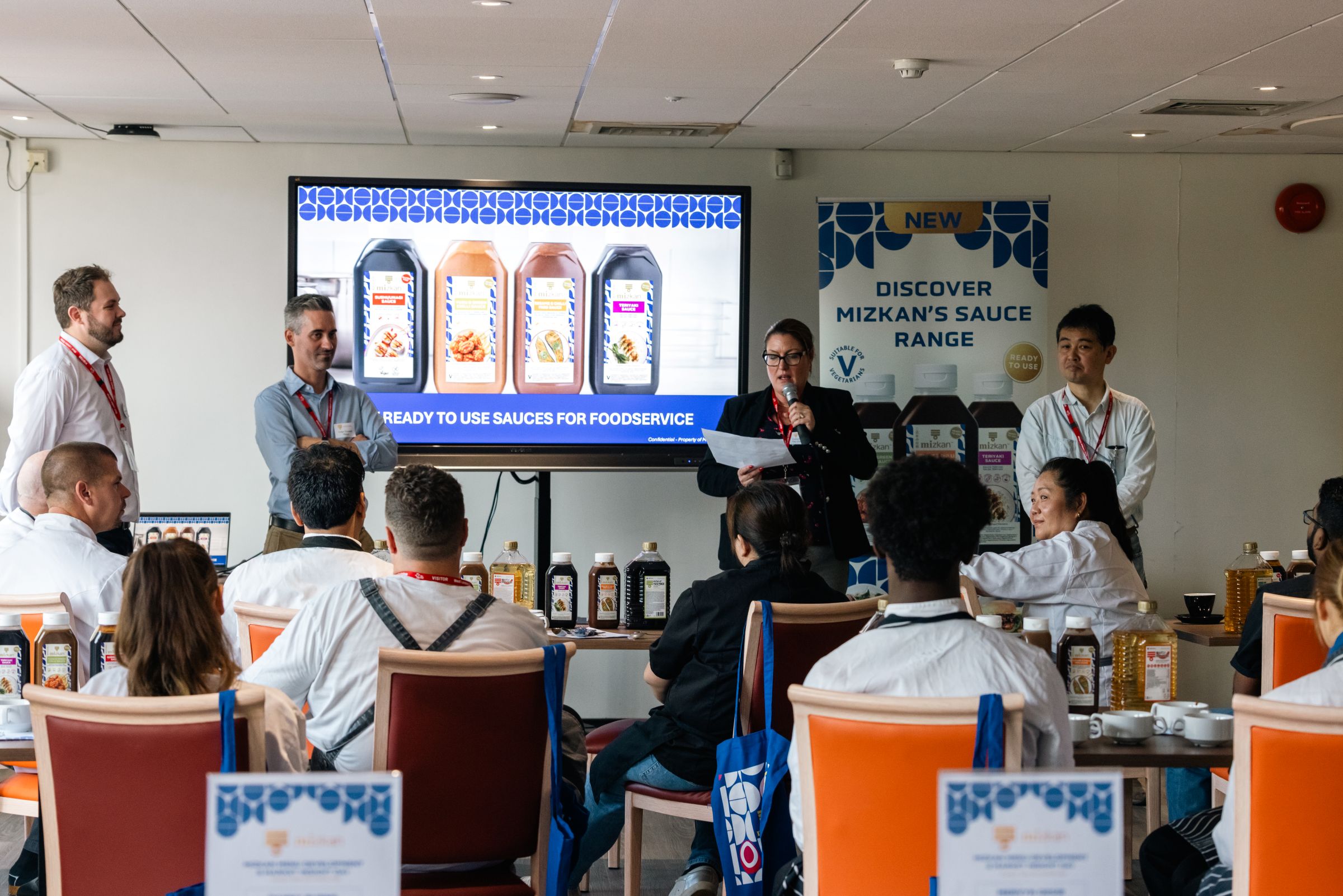
 Leading chefs and menu developers from the quick service restaurant sector came together at West London College for an immersive Mizkan Menu Development & Market Insight Day, which combined Japanese food heritage, market intelligence, flavour discovery and hands-on menu development.
Held on Tuesday 22 September, the event was designed to explore one of the biggest challenges facing modern foodservice: how operators could respond to consumers’ appetite for exciting global flavours while simultaneously improving speed, consistency and efficiency in increasingly demanding kitchens.
The structured culinary workshop took delegates from an introduction to the Mizkan product range, through a flavour discovery tasting and chef innovation session, followed by professional photography of the dishes and a chef’s table sharing lunch.
 More than 220 years of Japanese expertise
The day opened with Welcome to the World of Mizkan, introducing chefs to a company whose history in Japan stretched back more than 220 years and nine generations.
Founded in 1804, Mizkan’s origins were closely connected to sake production. The company developed vinegar from sake lees; a by-product of the sake brewing process, at a time when nigiri sushi was booming in Edo, modern-day Tokyo.
That heritage continued to underpin Mizkan’s focus on authentic Japanese ingredients and Japanese-inspired flavours. The company’s presentation highlighted its considerable presence in Japan, where it described itself as number one in both retail and foodservice.
The market insight session then considered how Japanese food itself was evolving internationally.
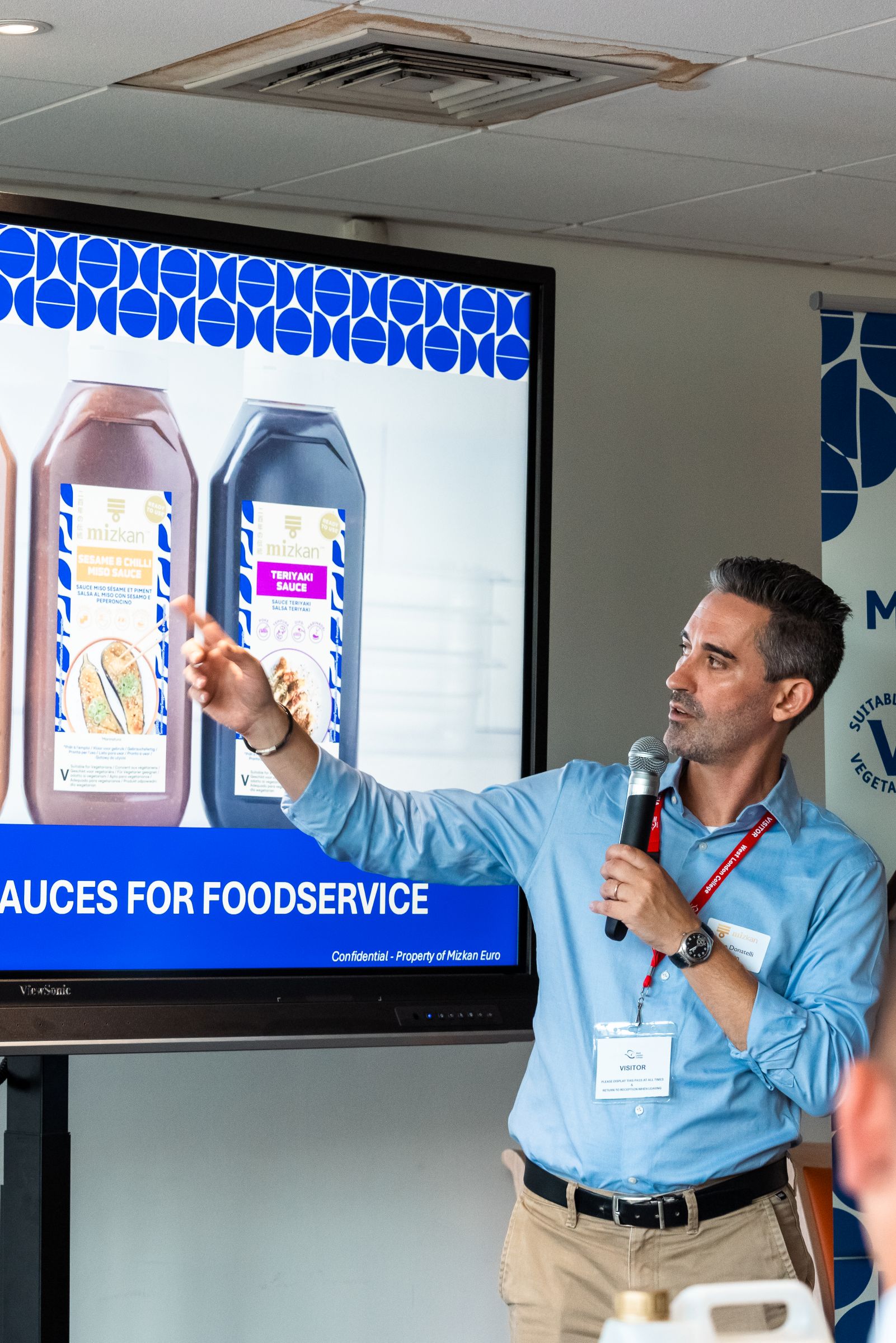 Felipe Donatelli, Senior Brand Manager at Mizkan, said
“The day was a great success and gave us a fantastic opportunity to work with The Chefs’ Forum to bring the Mizkan brand to life in a hands-on and engaging way. It was particularly valuable to showcase our heritage and new sauce range to prominent chefs and menu developers from across the industry, while also introducing the next generation of chefs at West London College to Japanese-inspired flavours. Seeing the creativity in the kitchen and the different ways our sauces were used was incredibly rewarding. Bringing established industry professionals and students together created a real exchange of ideas and feedback, demonstrating just how versatile the Mizkan range can be across modern foodservice menus.”
Figures from Japan’s Ministry of Agriculture, Forestry and Fisheries showed that the number of Japanese restaurants overseas had risen dramatically, from 54,700 in 2013 to 181,500 in 2025. Europe alone had grown from 6,700 Japanese restaurants to 19,200 over the same period.
Yet the discussion also revealed an important opportunity for menu developers. Sushi was already a mature part of the category, while dishes such as karaage, yakisoba, katsu curry, gyoza, yakitori, tempura and sunomono offered opportunities to introduce consumers to a much broader spectrum of Japanese food.
Discovering four new flavours
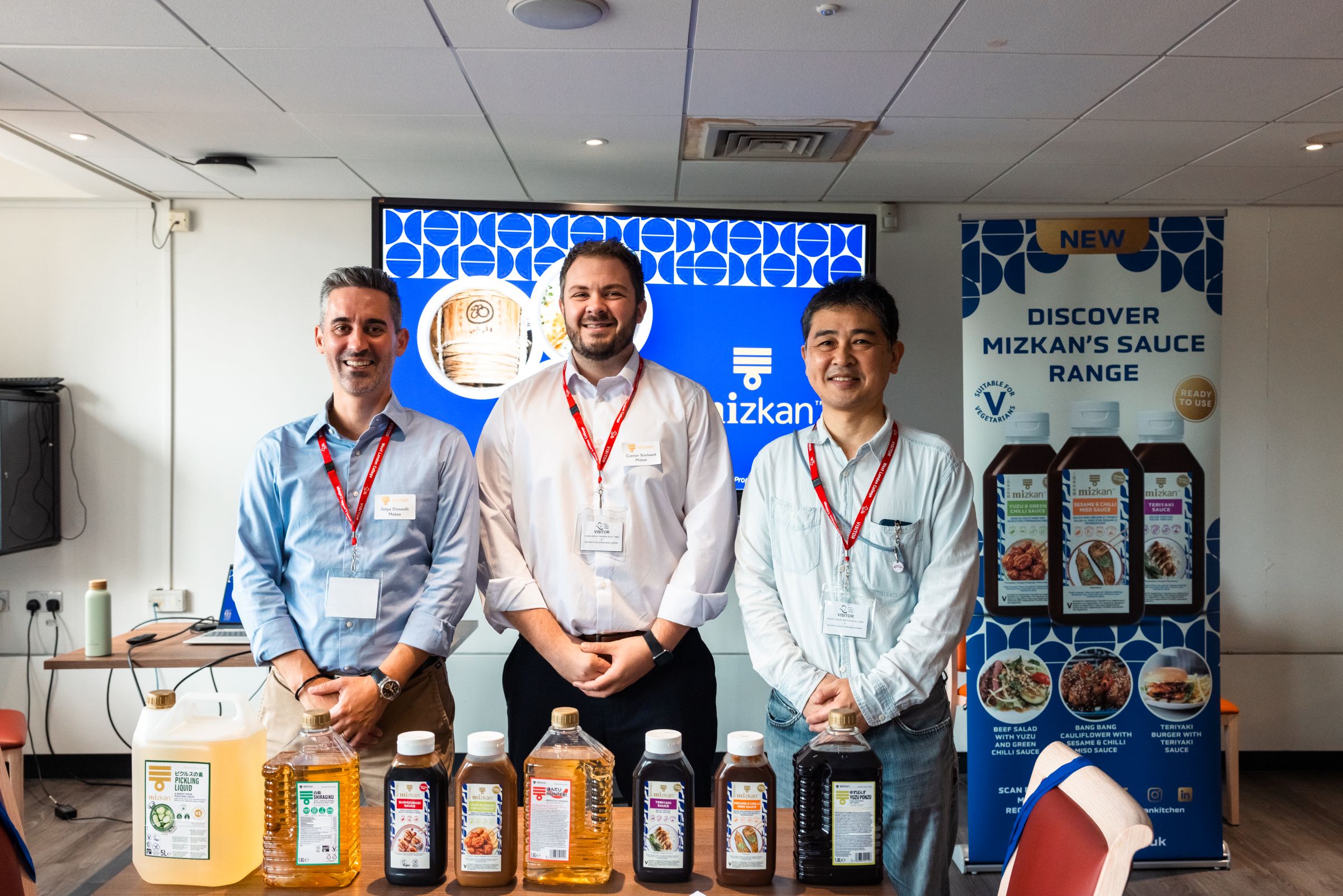
After the presentation, the focus moved to the Flavour Discovery Tasting, where chefs explored the balance of sweet, savoury and umami across Mizkan’s new foodservice sauce range in a tasting, narrated by Yukihiro Takahashi, Technical Sales Senior Manager at Mizkan
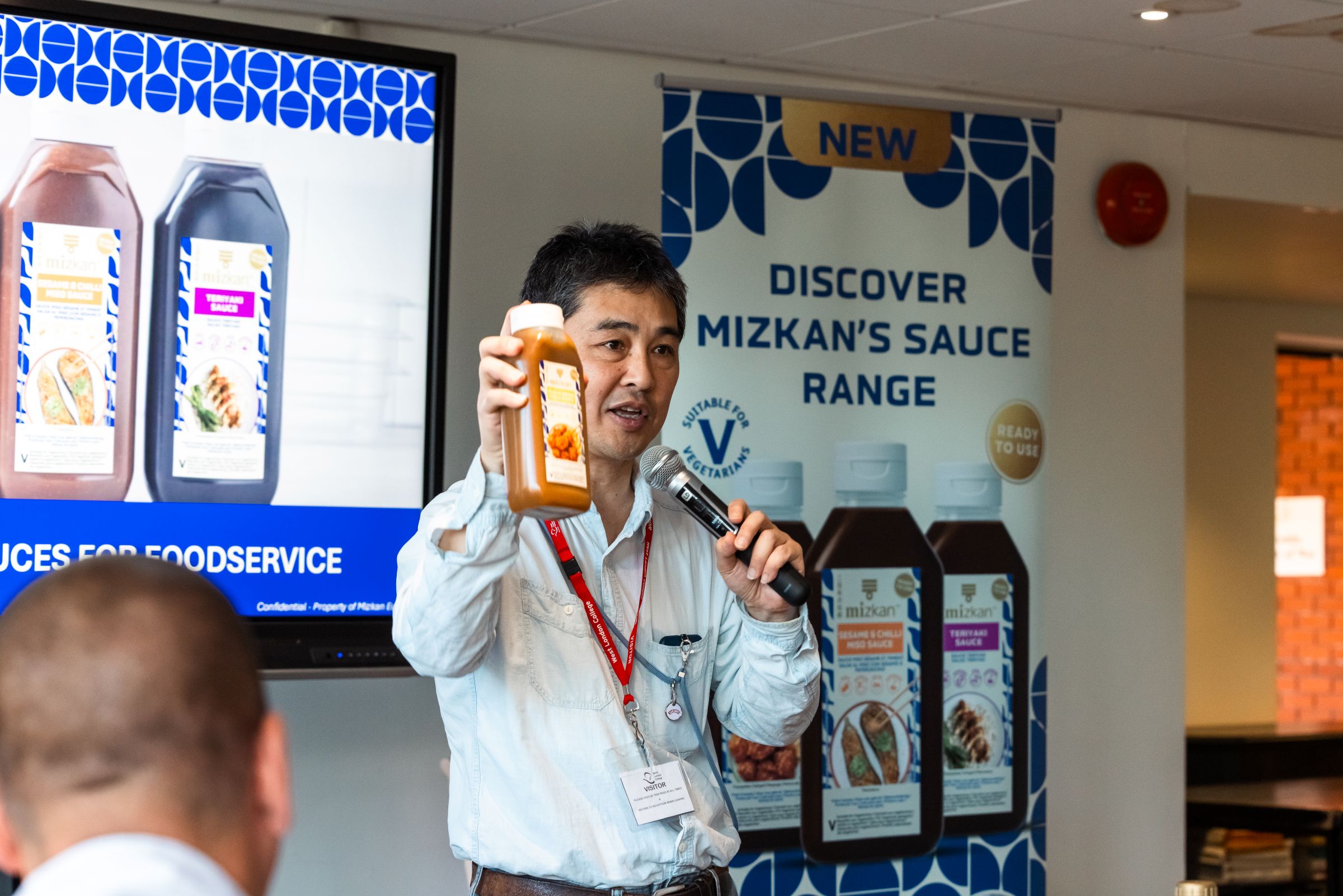 “It was extremely rewarding to see chefs working our new sauces and interpreting the flavours in their own way. When developing the range, our aim was to stay true to authentic Japanese ingredients while making the products practical and versatile for modern foodservice kitchens. The creativity we saw during the session really demonstrated that potential. From sushi and traditional Japanese dishes to burgers, chicken, noodles and more contemporary fusion concepts, the chefs showed how one sauce could inspire many different menu applications. For me, that was a fantastic demonstration of what we wanted to achieve with this range.”
Four ready-to-use Mizkan sauces took centre stage: Sushi/Unagi, Teriyaki, Yuzu & Green Chilli and Sesame & Chilli Miso. The chefs also had the opportunity to try the famous Mizkan Yuzu Ponzu as well as Pickling Liquid, Honteri and Shiragiku vinegars.
The Sushi/Unagi Sauce provided a gluten-free option designed to deliver authentic Japanese flavour with foodservice consistency.
Development Chef, Yun Ko said
 “The Sushi/Unagi Sauce had a really good depth and balance to it. What impressed me was its versatility, you immediately started thinking beyond sushi and could see it working as a glaze, as I did on my short rib and barley dish, a dressing or finishing sauce across a number of dishes. For a multi-site operation, having that consistency straight from the bottle is a real advantage.”
Mizkan’s Yuzu & Green Chilli delivered a vibrant combination of citrus and spice.
Ross Pike, Head of Culinary at Convene said
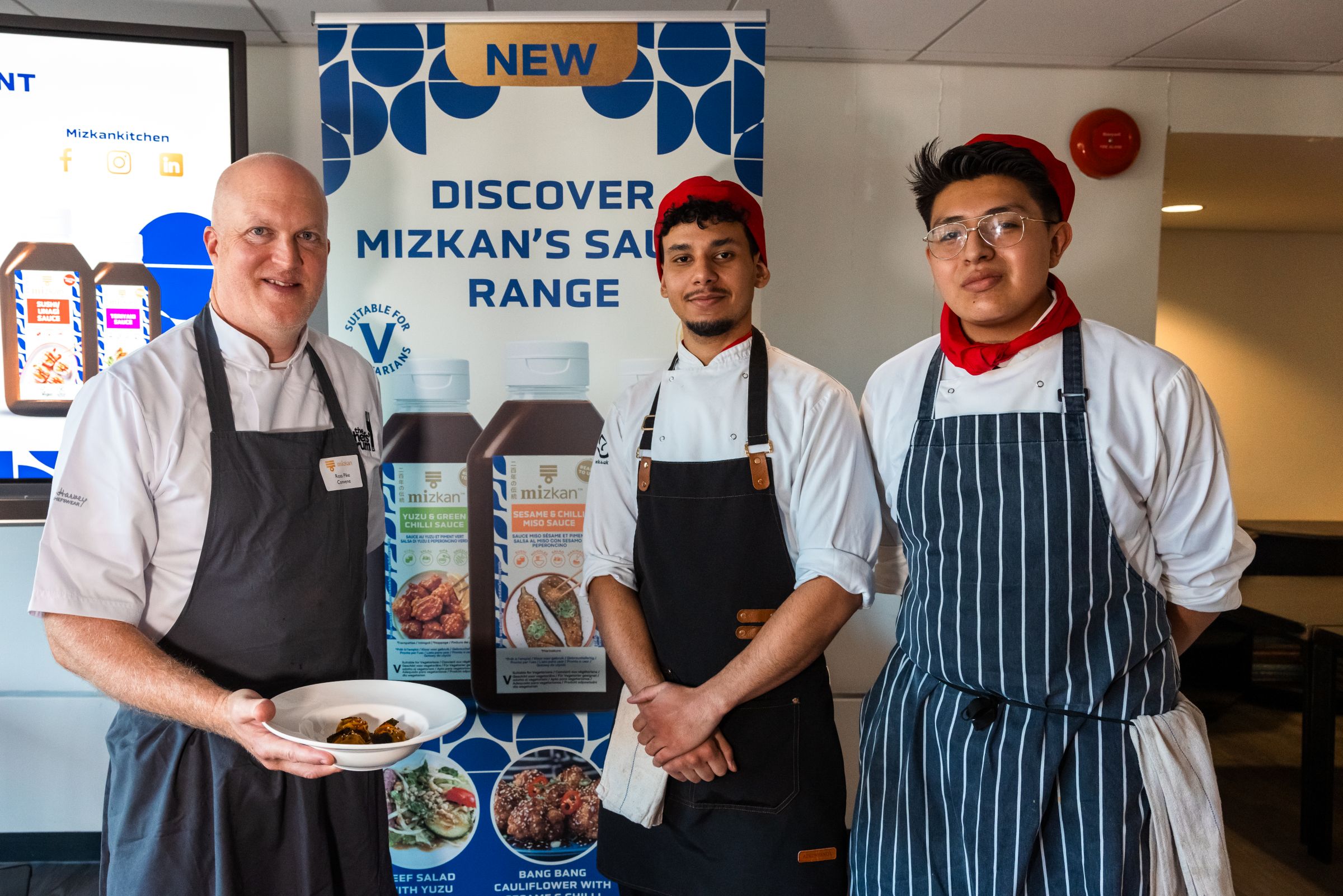 “The Yuzu & Green Chilli was probably the sauce that sparked the most ideas for me. You got that bright citrus hit from the yuzu followed by the chilli, so it brought freshness as well as heat. It could really lift fried chicken, salads or a simple protein and give you a very contemporary Japanese flavour without adding lots of extra ingredients. It worked particularly well with my prawn and pork wantons with pickled cucumber”
Aaj Fernando, Executive Chef at Mitzu added
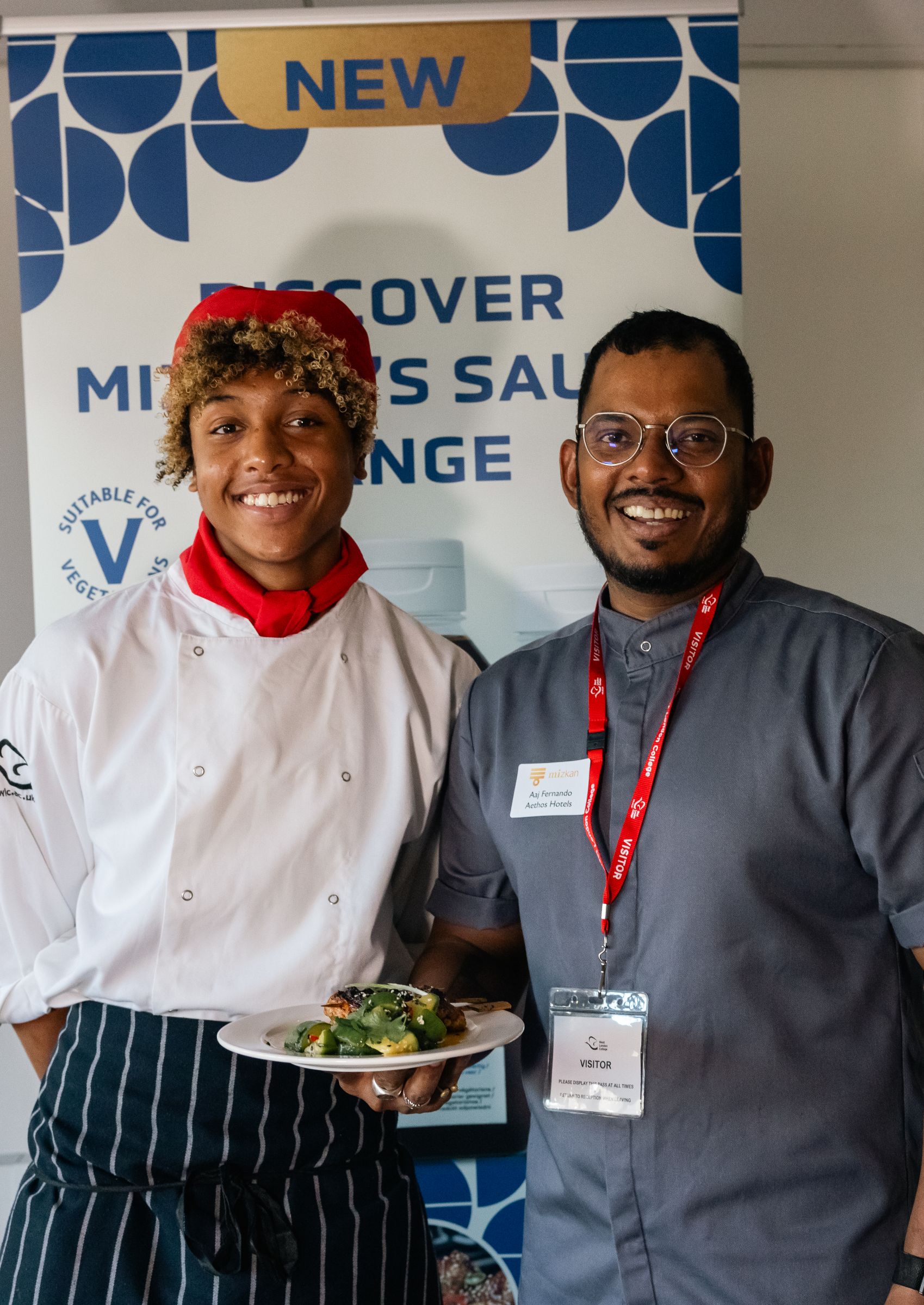 “This sauce was a winner for me – It’s great to ‘quick-pickle’ vegetables, also very good with green vegetables – I always use it as a base for my dishes, I added sesame oil and vinegar for my chicken skewers, it could also work well on its own – I really enjoyed the day.
Sesame & Chilli Miso provided a richer, balanced flavour profile. All four sauces were presented as MSG-free.”
Danny Burns, Chef Patron at DB Catering said
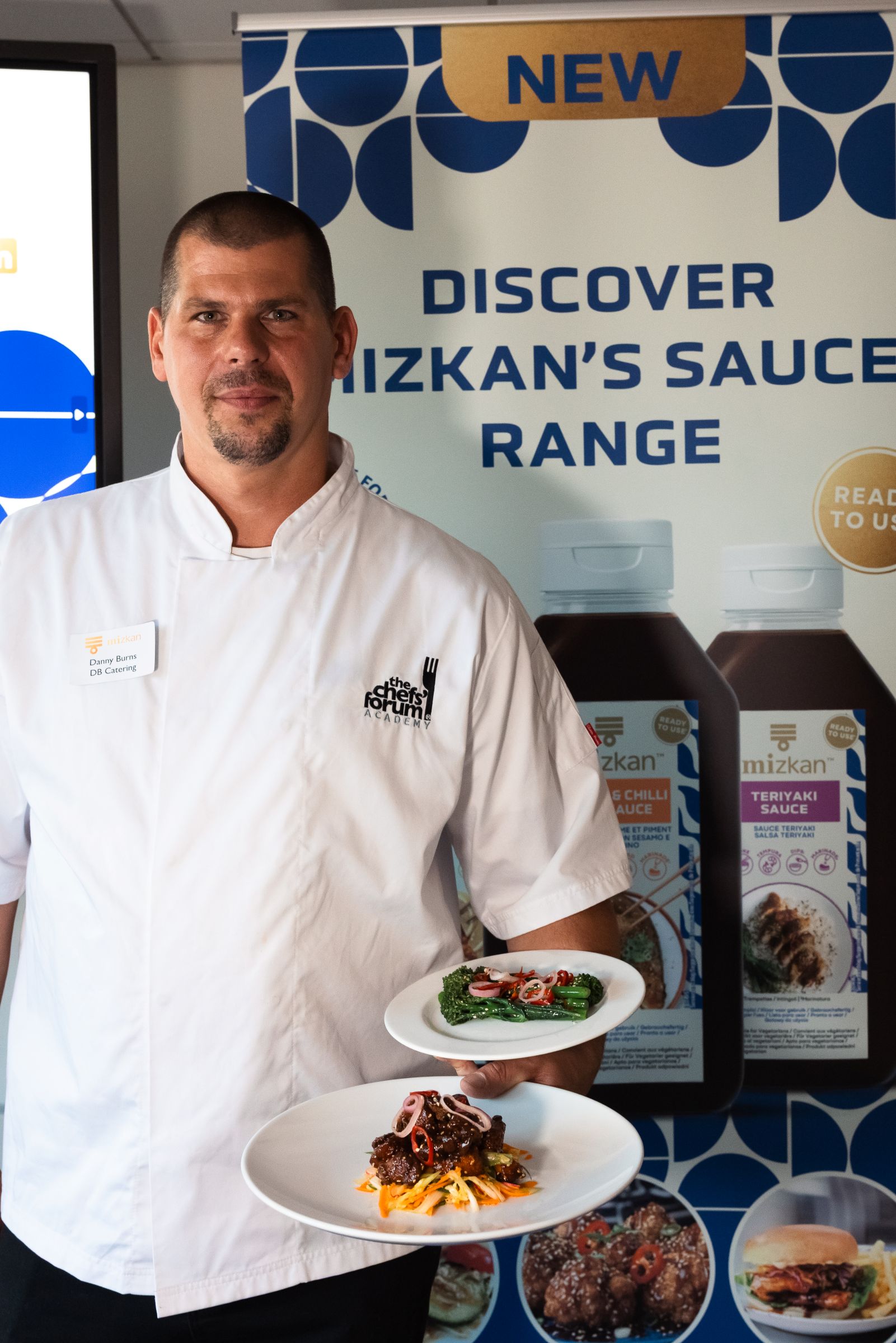 “The Sesame & Chilli Miso had a lovely richness and a much more complex flavour profile. The sesame and miso gave it real umami depth, with the chilli bringing a delicate warmth rather than overpowering everything else. My sesame and miso popcorn chicken really worked well with this product. For menu development, I could see it being incredibly useful with noodles, vegetables, chicken or even as the basis of a dressing or marinade, as I did.”
Teriyaki combined Japanese flavour with a distinctive garlic twist, while Yuzu & Green Chilli delivered a vibrant combination of citrus and spice.
Development Chef Dec Penfold said:
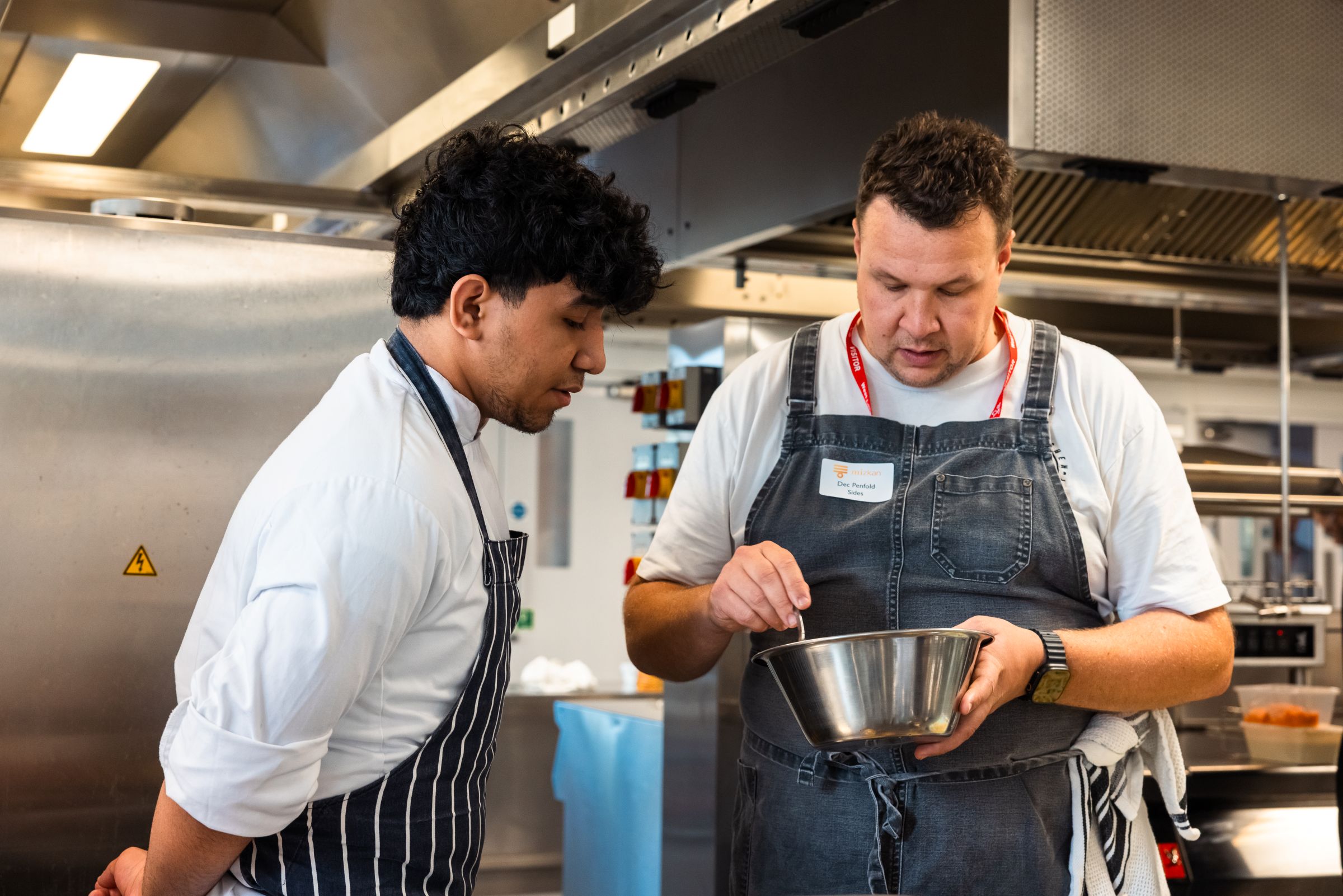 “Teriyaki is a flavour that all customers know and love, and the garlic adds another dimension to that familiar sweet and savoury profile. It worked beautifully in my Teriyaki Aubergine dish, and it’s just as well suited to chicken, burgers and other grilled proteins, let down as a marinade or a straight up as a finishing glaze.”
Importantly for QSR menu developers, the range was not restricted to traditional Japanese applications. Mizkan demonstrated how the sauces could work across sushi, poke bowls, skewers, fried chicken and vegetables, as well as more unexpected fusion applications including burgers, pizzas and carpaccio.
From insight to innovation
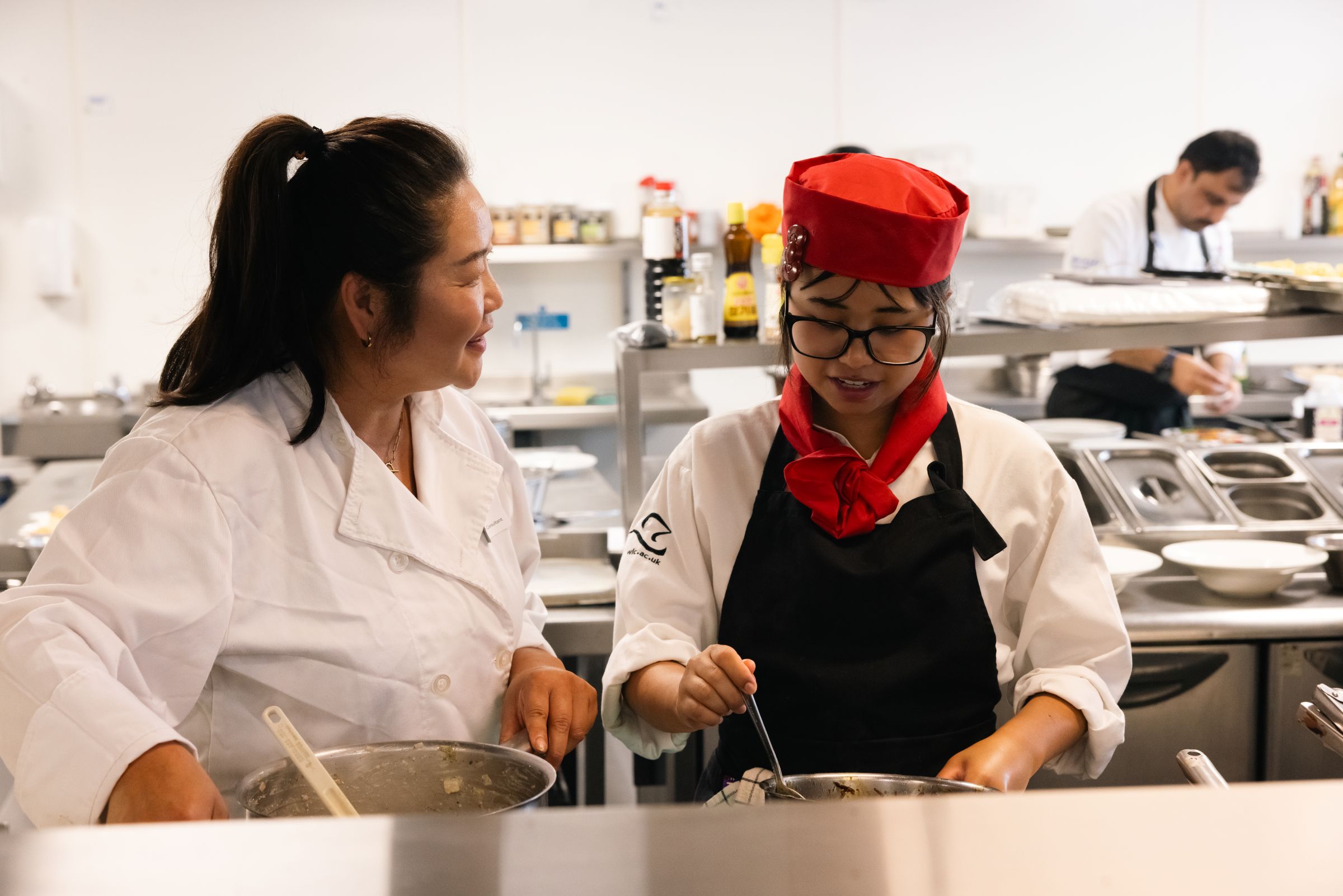
The delegate chefs and students then moved into the college’s purpose-built training kitchens, where they were challenged to develop and plate their own signature dishes using Mizkan ingredients.
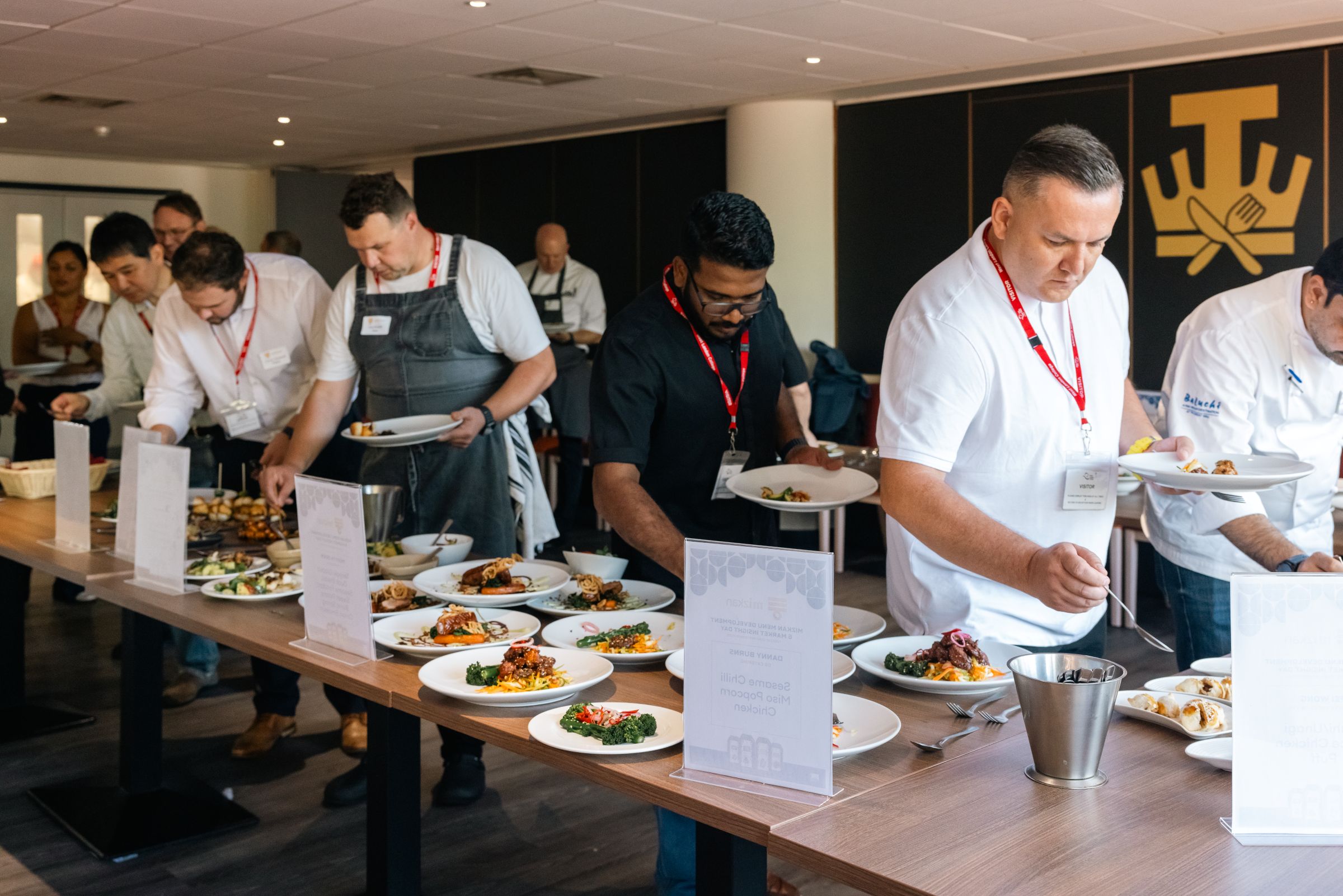 The exercise brought the commercial discussion firmly into the kitchen. Chefs considered not only whether a dish tasted good, but whether it could realistically work in a fast-moving, multi-site operation, looking at preparation, repeatability, labour, versatility and speed of assembly.
The ready-to-use format opened up possibilities for creating multiple menu items from fewer products, using sauces for dipping, glazing, dressing, marinating and finishing while retaining consistency between sites.
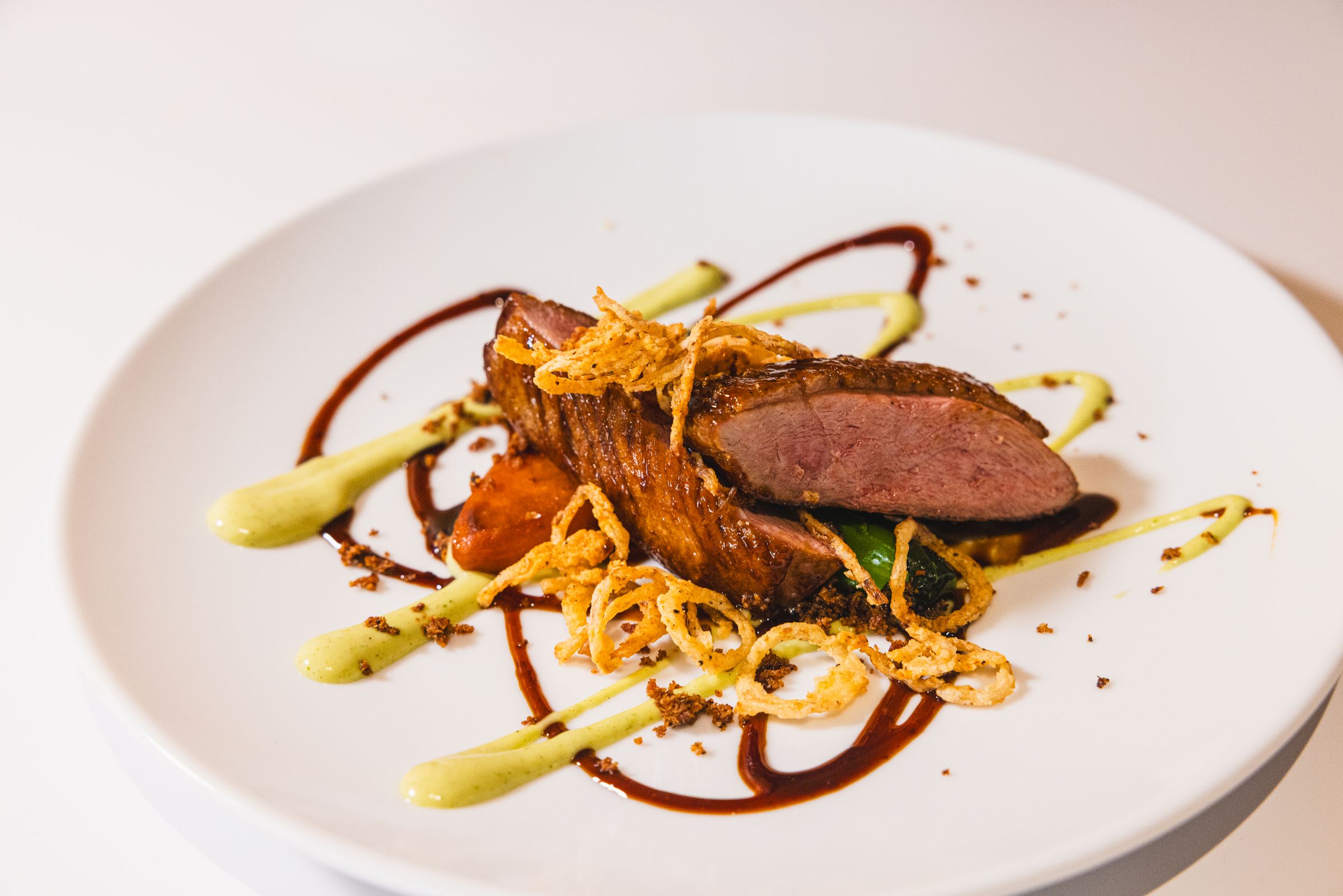
Once the dishes were created, each finished plate received its “Hero Shot”, with professional food photography capturing the dishes developed during the workshop. The day culminated in a Chef’s Table Lunch, where participants shared their creations, exchanged ideas and discussed potential applications across their own businesses.
The session demonstrated that Japanese-inspired flavours and operational simplicity did not have to be opposing objectives. By bringing together more than two centuries of Japanese craftsmanship with the commercial realities of contemporary UK foodservice, Mizkan gave chefs a practical platform from which to explore the next generation of Japanese-inspired QSR dishes.
Photography and film by Carlos Farinha @carlosclickuk