Future of Care Catering: Lakeland Dairies Brings Industry Leaders Together to Rethink the Care Kitchen
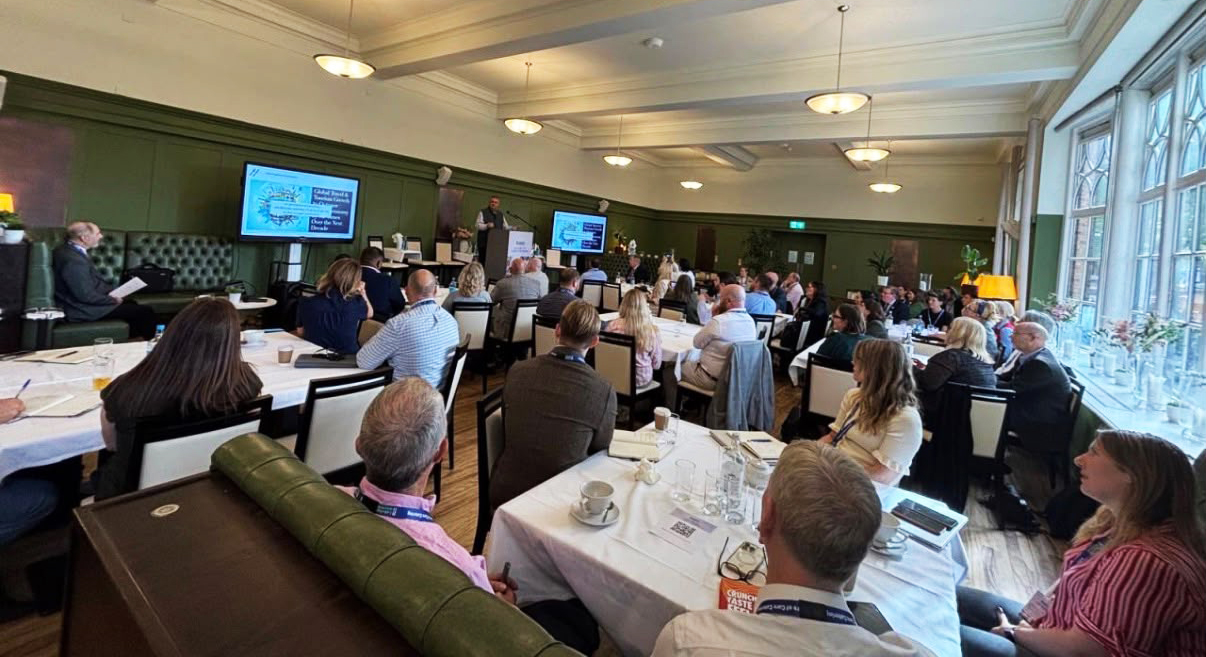 The care sector needs to start preparing now for a very different generation of residents, according to industry leaders brought together by Lakeland Dairies for its Catering for Care – Future of Care Kitchens event at Capital City College in London.
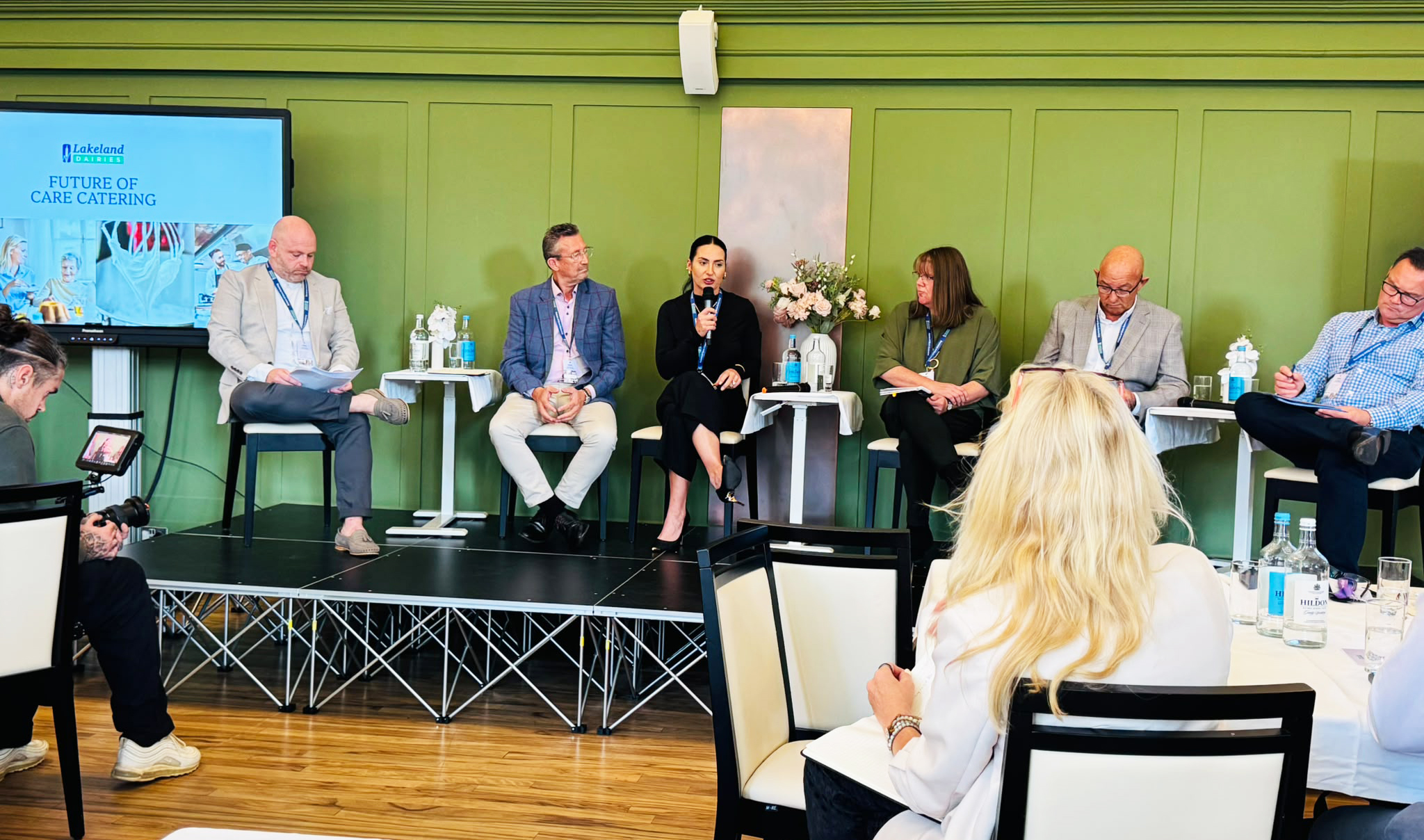
The event combined a detailed State of the Nation presentation from Simon Stenning, Founder of Future Foodservice, with a wide-ranging panel discussion exploring changing demographics, nutrition, sustainability, workforce development and the expectations of tomorrow’s care consumer.
Joining the discussion were Darren Klein, NACC Midlands; Philip Shelley, NHS Senior Operational Manager and National Lead for Food; Ilona Tomza, Development Chef at Porthaven Care Homes; Andy Cullum, Founder of The IDDSI Guy; Paul Jennings, Head of Food at Lakeland Dairies; and Rachael Masters, Consultant Dietitian and Founder of Focus on Undernutrition.
At the heart of the morning was one important question: are today’s care kitchens ready for tomorrow’s residents?
A very different care consumer
Stenning’s presentation provided a compelling demographic backdrop.
ONS-based projections showed the UK’s pensionable-age population increasing significantly towards 2049. By 2035, Baby Boomers will be approximately 71–86 years old, while Generation X will be 56–70.
These are generations whose expectations have been shaped by international travel, eating out, coffee-shop culture, food delivery, global cuisines and an increasingly sophisticated hospitality market.
The foodservice consumer of 2035 was characterised as more active, technologically enabled and accustomed to friction-free experiences. Personalised nutrition, delivered foodservice, multicultural influences and healthier lifestyle choices are all expected to become increasingly important.
For care operators, the implications are considerable. Future residents are unlikely to leave their established tastes and expectations at the door when they enter care.
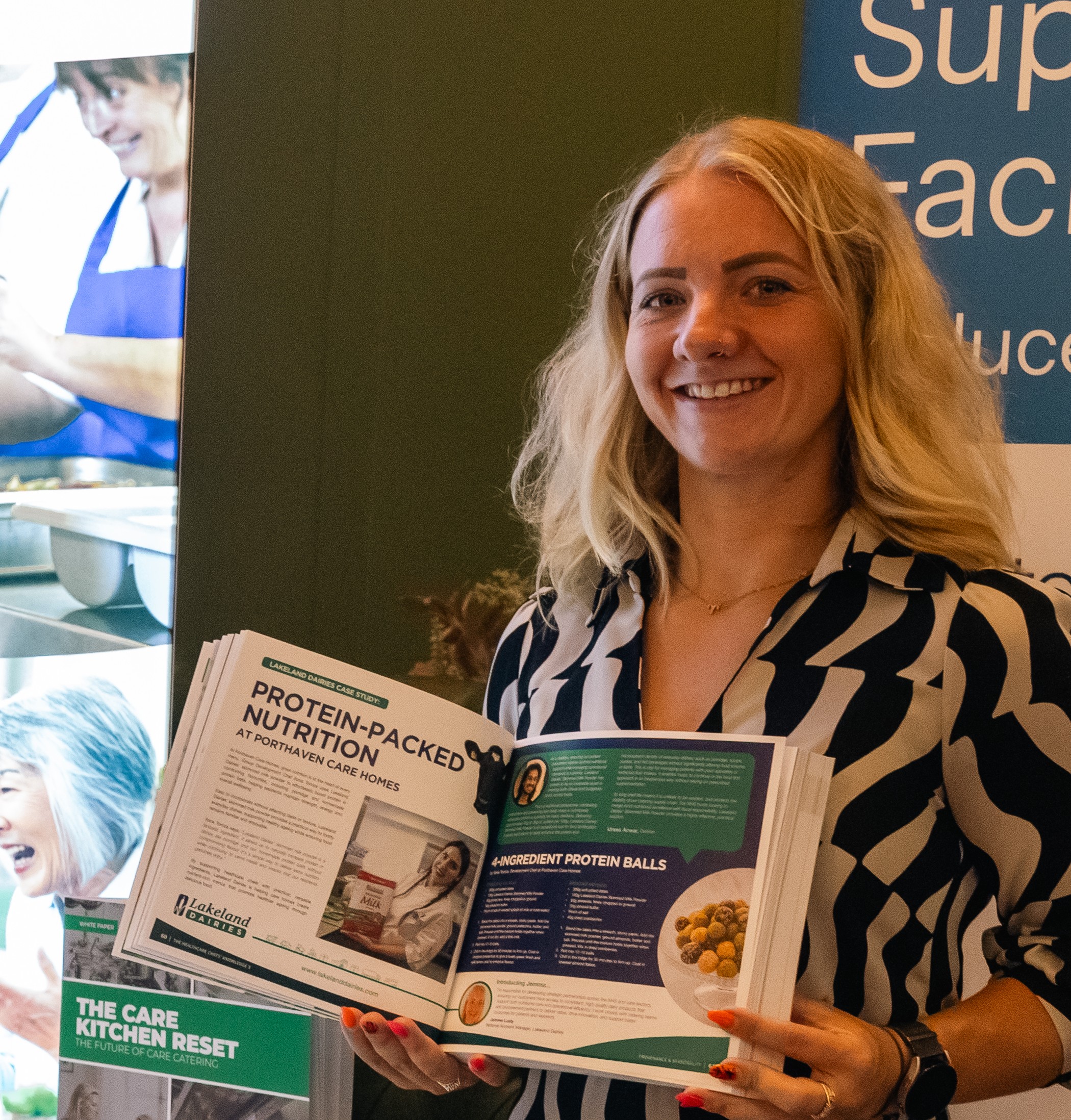 Jemma Lusty of Lakeland Dairies said:
“The event was about looking beyond the immediate pressures facing care catering and asking what the next generation of residents will actually expect from us. Food plays such an important role in nutrition, wellbeing and quality of life, but expectations are changing.
“Bringing together experts from across care, healthcare, nutrition and foodservice gave us a fantastic opportunity to share ideas and start thinking practically about how kitchens, menus and teams need to evolve. For Lakeland Dairies, it’s about supporting caterers with solutions that deliver great nutrition and consistency while never losing sight of enjoyment.”
The wider foodservice landscape is changing
Stenning also demonstrated how quickly the wider market is evolving.
The presentation showed 253,268 UK foodservice outlets at the end of 2025, with 252,936 forecast for 2026, representing a broadly static overall market. Within that picture, however, newer and more experiential formats are growing strongly.
Market halls were highlighted at 8.7% growth, partnership pubs at 5.2%, new fast food concepts at 5.1%, competitive socialising at 4.9%, fine dining at 3.2%, dessert cafés at 2.7% and juice bars and bubble tea at 1.8%.
The significance for care catering is not that care homes need to replicate these concepts, but that tomorrow’s residents are experiencing them today.
People are becoming accustomed to greater choice, different eating occasions, global flavours and food being available when and where they want it. That challenges the traditional institutional model of three prescribed meals served at fixed times.
From catering to hospitality
A recurring theme throughout the panel was the need to think beyond simply feeding people and instead create a genuine hospitality experience.
Choice, presentation, flavour and the social experience surrounding food all matter. Smaller portions, snacks, nutritionally dense options and greater flexibility around when residents eat could all play a more prominent role in the future.
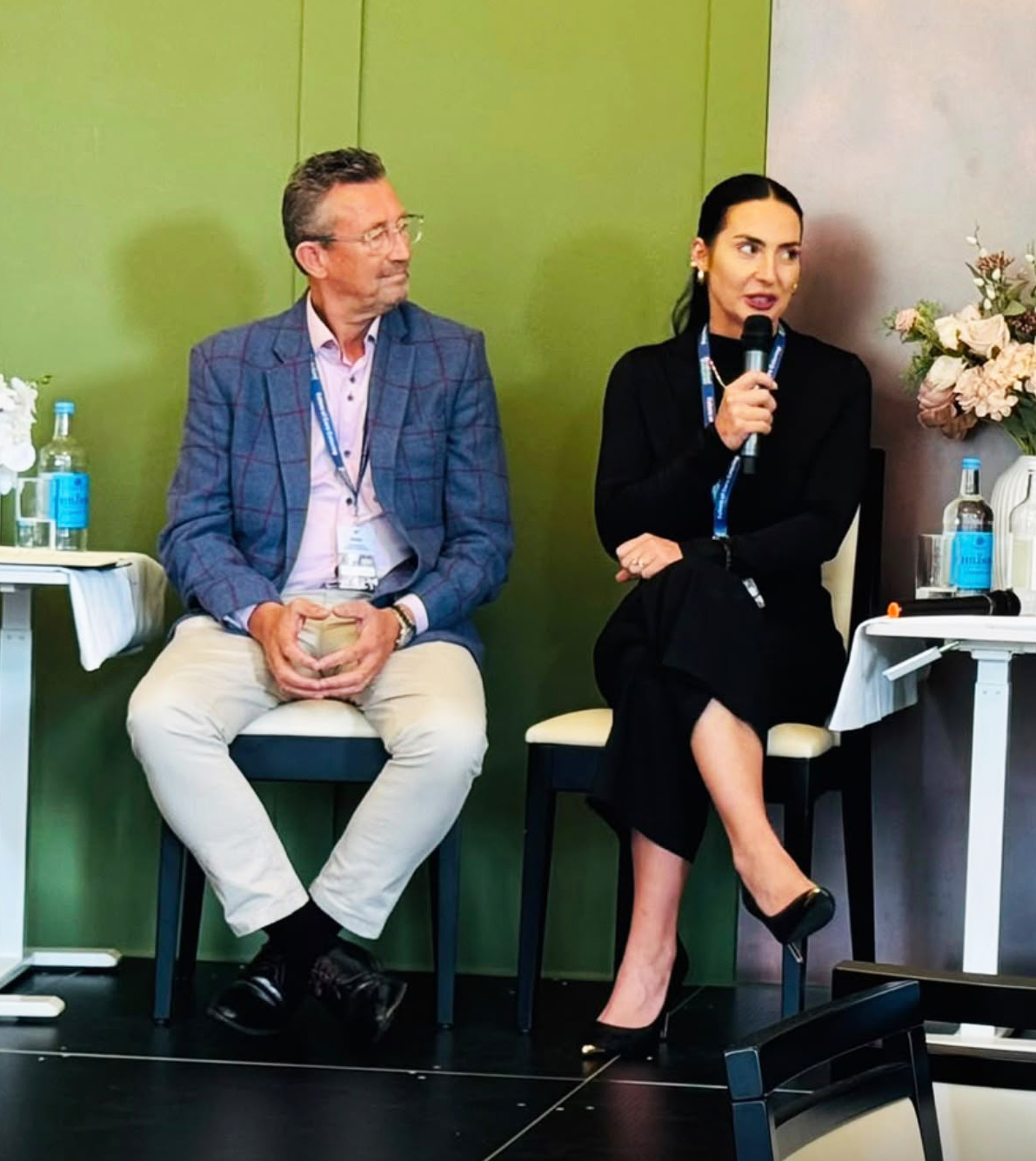 For Ilona Tomza, Development Chef at Porthaven Care Homes, maintaining the pleasure associated with food is essential.
“Care catering should never feel institutional. The people coming into our homes have travelled, eaten in restaurants and experienced food from all over the world, and they shouldn’t have to leave those expectations behind.
“As chefs, our challenge is to combine nutrition and individual dietary needs with flavour, creativity and beautiful presentation. Whether someone requires a texture-modified diet, has a smaller appetite or is living with dementia, they still deserve food that looks exciting, tastes fantastic and gives them something to look forward to.”
Nutrition remains non-negotiable
While consumer expectations are evolving, the discussion reinforced that nutrition and hydration must remain at the heart of care catering.
Menu planning, fibre, appropriate portioning, undernutrition and the individual requirements of residents were all discussed, alongside the particular challenges presented by dementia and reduced appetite.
Texture-modified food was another important area. The ambition must extend beyond achieving a clinically appropriate consistency to producing meals that remain recognisable, attractive and enjoyable.
It was a point that connected closely with the wider healthcare agenda.
 Philip Shelley, NHS England Senior Operational Manager and National Lead for Food, said:
“Whether we are feeding somebody in a hospital or a care setting, food has to be recognised as an integral part of care. We need to prepare for a generation whose expectations of quality, choice, provenance and the overall food experience will be very different. Our new book, The Healthcare Chefs’ Knowledge 3 – Provenance and seasonality, is a fantastic training resource and reference guide for healthcare foodservice stakeholders, and every delegate received a copy today.”
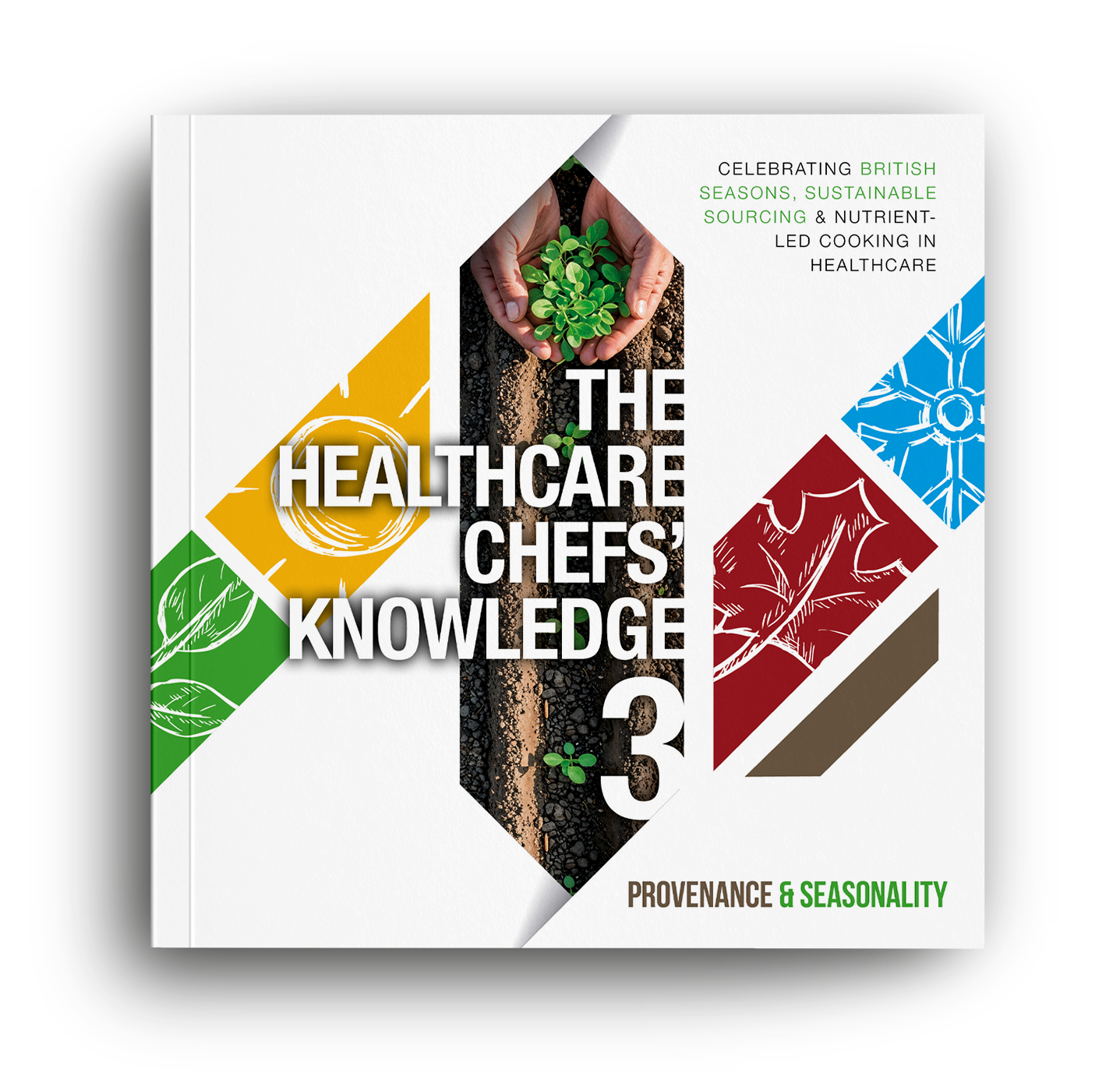 “At the same time, we cannot compromise on nutrition, food safety or sustainability. The opportunity is to bring all of those elements together and ensure our catering teams have the skills, confidence and support to deliver food that genuinely meets the needs of the people in their care.”
Cost pressures and the battle for value
The economic backdrop was another important element of Stenning’s presentation.
His 2026 outlook indicated that the total foodservice market would not see significant underlying growth, with consumer spending under pressure while operators continued to contend with rising costs.
Consumers are expected to become increasingly value-conscious, particularly where prices rise substantially. At the same time, the market is becoming polarised: value-driven concepts can prosper at one end while premium and experiential businesses capable of creating memorable occasions continue to perform at the other.
For care catering, value cannot simply mean driving down the cost of the plate. Food has a direct relationship with nutrition, recovery, wellbeing and quality of life, making the challenge one of achieving operational efficiency without diminishing the resident experience.
Sustainability with purpose
Climate change and sustainability also featured prominently.
The discussion considered the growing environmental demands being placed on foodservice and the need for operators to examine sourcing, energy, waste and menu design.
However, environmental decisions cannot be separated from nutrition, affordability, provenance and resident acceptance. A theoretically sustainable dish delivers little benefit if residents do not enjoy it and it ends up as food waste.
The future therefore lies in solutions capable of bringing nutrition, sustainability, commercial reality and consumer appeal together.
Developing the next generation of care chefs
The workforce challenge was equally pressing.
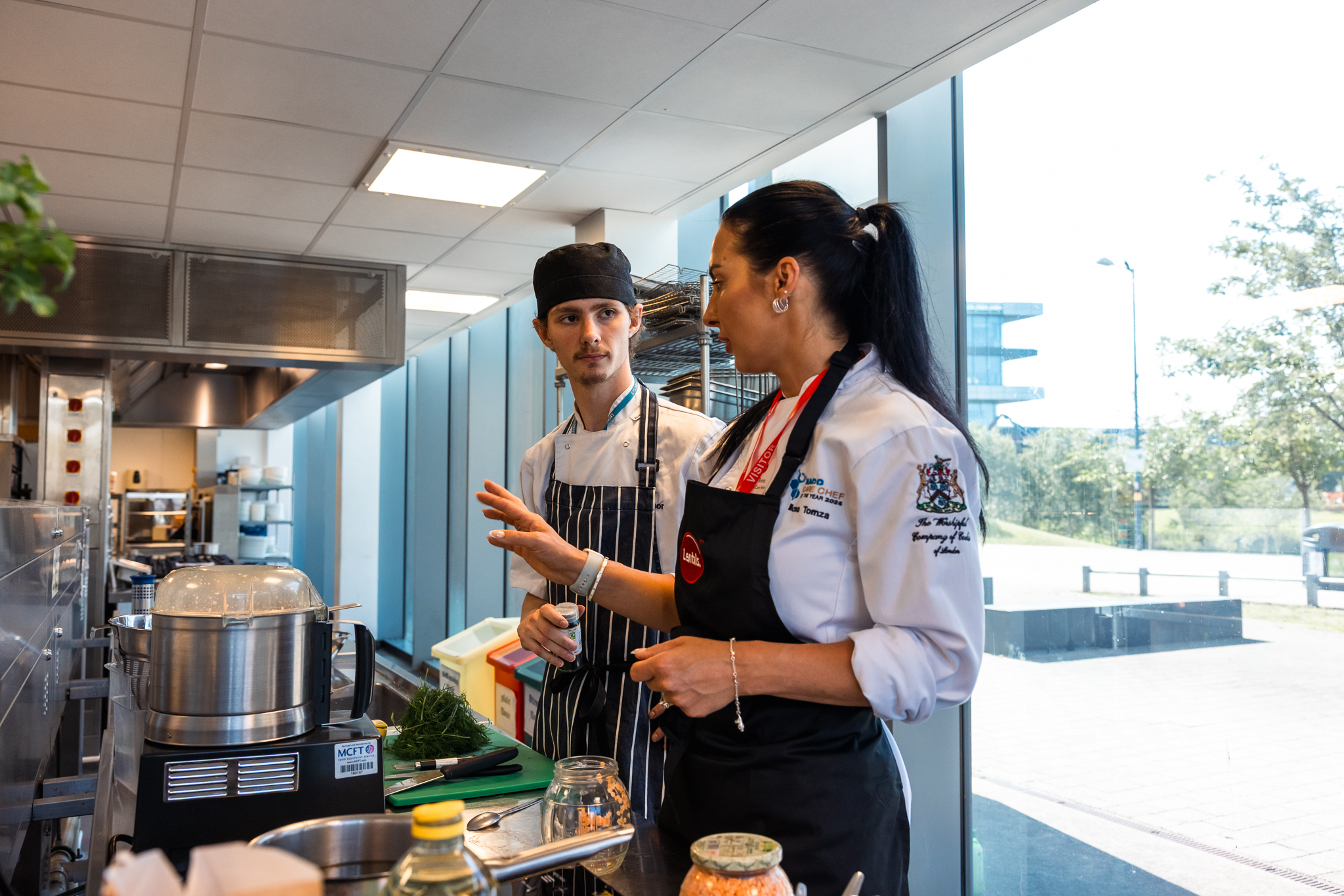 Training, recruitment and professional development were emphasised, alongside the importance of engaging with catering colleges and encouraging younger chefs to view care catering as a genuine career path. Both are areas we can support through our college network and CPD training arm at The Chefs’ Forum.
The modern care chef requires a remarkably broad skill set – encompassing culinary technique, nutrition, allergens, specialist diets, texture modification, sustainability and increasingly technology and data.
Building closer relationships between care providers, colleges, professional bodies and industry will therefore be crucial if the sector is to develop the workforce required for the future.
Preparing now for tomorrow’s resident
The overriding message from the event was that the future of care catering cannot be considered separately from the enormous changes taking place across wider society.
An ageing population, shifting demographics, multiculturalism, technology, personalised nutrition, sustainability and changing hospitality habits will all influence what future residents expect.
 The care kitchen of tomorrow will need to be efficient, sustainable and nutritionally robust, but it will also need to be flexible, culturally aware, skilled and hospitality-led.
Lakeland Dairies’ event demonstrated the value of bringing the different disciplines together now, while there is still time to anticipate those changes rather than simply react to them.
Ultimately, the challenge is bigger than feeding an ageing population.
It is about understanding a changing population and ensuring that food in later life continues to deliver health, dignity, independence, choice and genuine enjoyment.