Cut Waste, Save Money, Boost Profit: Hospitality Experts Reveal How to Thrive in Tough Times
 From dramatically extending frying oil life to tackling the hidden cost of limescale, The Chefs’ Forum’s latest webinar showed hospitality operators that sustainability and profitability can – and should – go hand in hand.
With operators continuing to face pressure from food inflation, wages, energy bills and increasingly tight margins, the message from The Chefs’ Forum’s latest free industry webinar was clear: don’t just cut costs – get smarter about where your money is going.
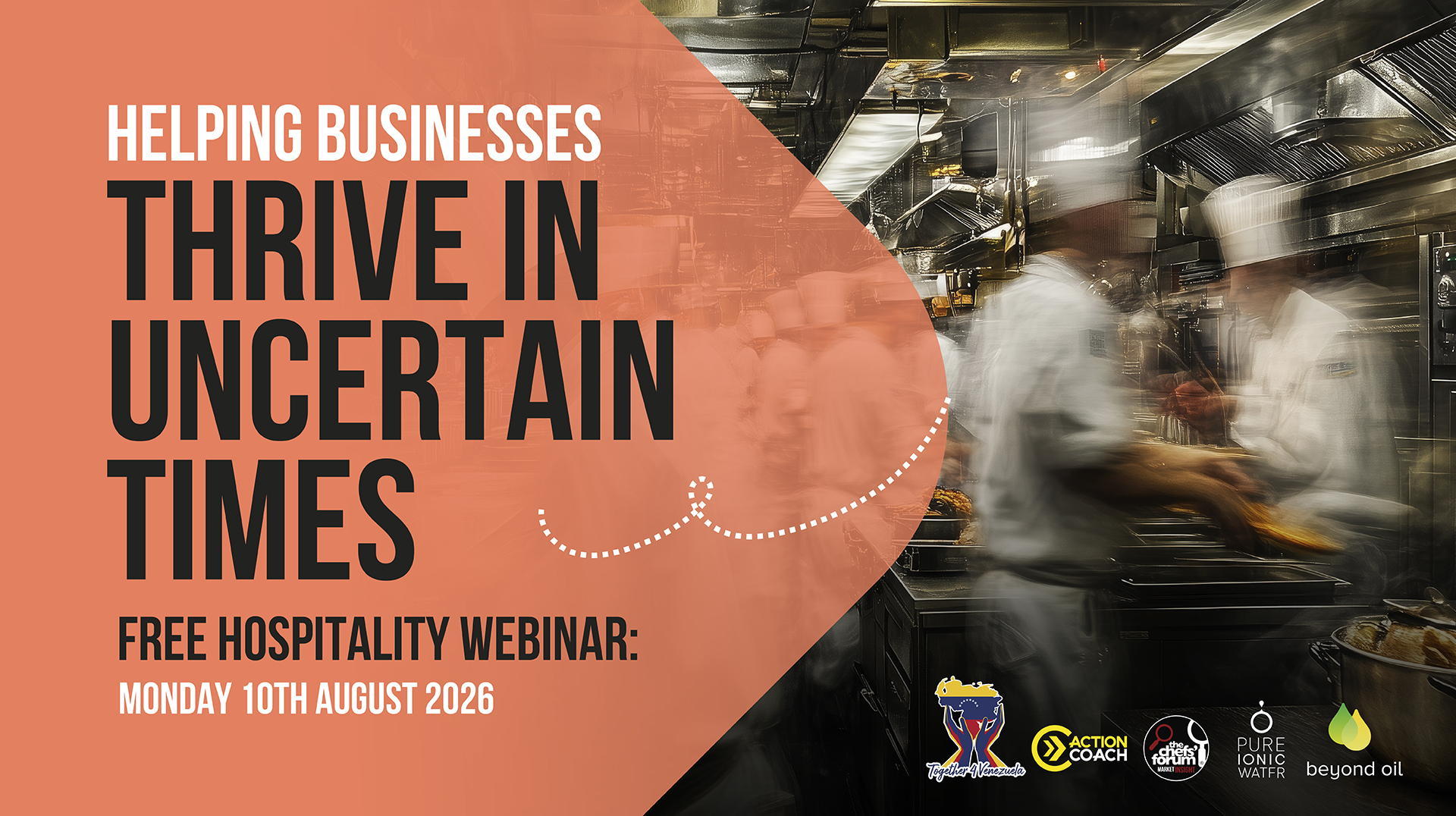
Delivered in association with The Chefs’ Forum and ActionCOACH, the session brought together hospitality expertise with innovative solutions from Beyond Oil and Pure Ionic Water, giving attendees practical ideas they could take back to their businesses immediately.
The webinar also supported Together for Venezuela, with voluntary donations encouraged to help the humanitarian initiative.
Busy Doesn’t Always Mean Profitable
One of the strongest messages of the session was that a packed restaurant, hotel or pub does not automatically equal a profitable one.
 Business Coach, Andreas Nest reminded operators that “revenue is not profit”, urging businesses to examine everything from labour and food costs to merchant fees, utilities, maintenance and waste.
The webinar encouraged operators to look at their businesses differently: understand which menu items really make money, control portion sizes, examine purchasing, reduce unnecessary stockholding and, crucially, look in the bin.
Food waste is money that has been bought, stored, prepared – and then thrown away.
The overarching advice was to protect margin by focusing simultaneously on price, volume, cost and productivity, rather than simply cutting expenditure and potentially damaging the guest experience.
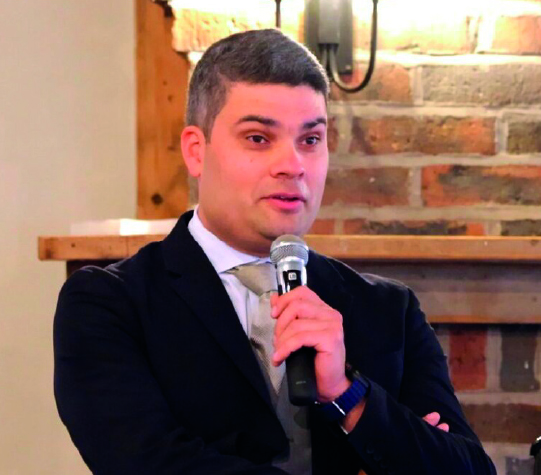 Manuel Marcano said
“This webinar was a fantastic opportunity to speak directly with my hospitality peers about Together 4 Venezuela and the incredible community effort behind it, while sharing some of the knowledge I’ve gained as a hospitality consultant. In challenging trading conditions, protecting profit isn’t simply about cutting costs – it’s about understanding the whole operation and making better decisions. That includes how we handle guest complaints. Good service recovery can turn a negative experience into one that builds loyalty. A complaint should never be viewed simply as a problem or a cost; it’s an opportunity to listen, empower your team to put things right quickly, and show the guest how much you value their business. Retaining a guest through excellent complaint management is far more valuable than losing them – and potentially everyone they tell about their experience. The webinar gave us a brilliant platform to share practical ideas like these and to raise awareness of a cause that means an enormous amount to me personally.”
Donate to Together 4 Venezuela here: www.gofund.me/64b46769f
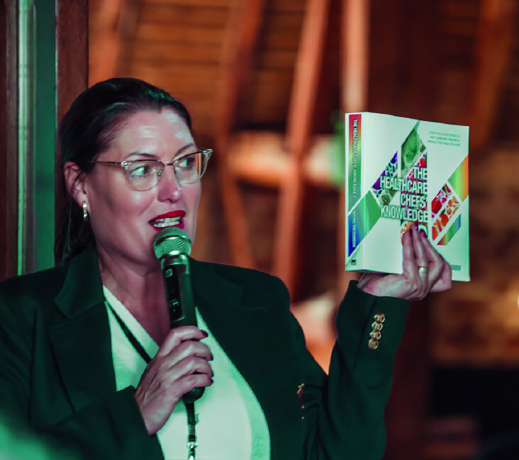 Webinar Host and Chefs’ Forum Founder, Catherine Farinha added
“We eat with our eyes long before we take the first bite, and exactly the same principle applies to your brand. You can be producing the most incredible food and delivering fantastic hospitality, but if your photography, video, menus, website and social media don’t reflect that quality, you’re underselling yourself. In today’s visual world, your digital shop window is often the first experience a potential guest has of your business. Professional photography, engaging film and strong, consistent design are powerful commercial tools and we can help you create all of the above. Your brand needs to look every bit as good as the food coming out of your kitchen. Get that right and you give people a reason to stop scrolling, book a table and ultimately become loyal customers.”
Beyond Oil: Less Oil, Lower Costs, Better Frying
For any operator running multiple fryers, one particular speaker certainly grabbed attention.
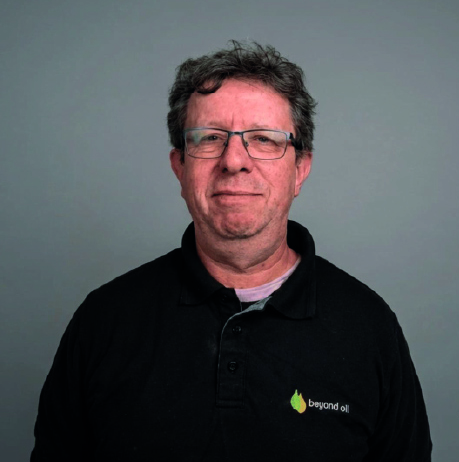 Beyond Oil’s Adrian Sagman explained how the company’s frying oil management technology can significantly extend the usable life of cooking oil while maintaining consistency.
The examples were striking.
“If you’re changing your oil every two days, we’ll get from two days to ten days normally,” Sagman told attendees, explaining that results depend on the food being cooked, fryer configuration and oil usage. He cited other operations moving from four days to around 12 and, in some cases, from three days to 30.
Beyond Oil states that its technology can extend oil life by 300% to 1,000%, dramatically reducing oil consumption and costs. Its filtration powder removes frying by-products from the oil, helping operators achieve greater consistency day after day.
For chefs, that means more than a saving on the oil bill.
Cleaner, more consistent oil means more consistent fried food, less waste and greater control – demonstrating perfectly how a sustainability initiative can also deliver a compelling commercial return.
Pure Ionic Water: Don’t Let Money Go Down the Drain
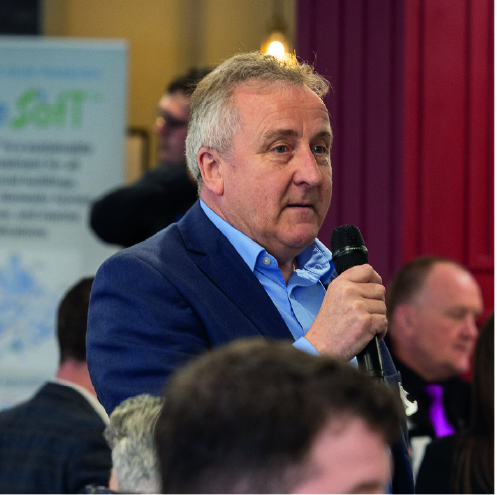 Peter Smeaton of Pure Ionic Water then turned attention to another resource hospitality businesses use every minute of every day: water.
Pure Ionic Water’s approach looks at water across the whole operation – from cooking and hydration to premium still and sparkling table water – while its PureSoft technology tackles the hidden financial impact of limescale.
Smeaton told attendees that buildings affected by limescale can use up to 20% more electricity to pump the same amount of water, while scale can also impact boilers, washers, pipework and other water-fed equipment.
Removing that limescale therefore offers the potential to reduce energy consumption, maintenance bills and equipment replacement costs.
The webinar also showcased The Broadcaster in London, where a whole-building water system operates alongside still and sparkling taps and premium reusable table-water bottles – combining operational efficiency and sustainability with a better guest experience.
Sustainability That Pays
Perhaps the biggest takeaway from the session was that saving money and becoming more sustainable are increasingly the same conversation.
Whether it is buying less frying oil, reducing food waste, protecting expensive equipment, using less energy or turning filtered water into a premium guest experience, small operational changes can add up to substantial savings.
In uncertain times, hospitality businesses cannot control every external pressure.
But they can control waste, efficiency, purchasing, productivity and the systems they choose to put in place.
And that could make all the difference between simply surviving – and truly thriving.
Watch the replay of the Webinar here: