The New Brigade: How Chefs Are Shaping the Future of Global Food Systems
 Chefs from across the UK and beyond attended a significant online event last week, as the EAT – Lancet Commission and the Communities for Action (CfAs) revealed the latest ideas on how the world can move towards healthier, fairer, and more sustainable food systems. The webinar, which attracted hundreds of delegates, provided a rare behind-the-scenes look at the emerging 2025 EAT–Lancet Commission and made one thing very clear: chefs are not just participants in the food system, they are key to transforming it.
The session began with a reflection on an exceptional year of collaboration across the CfAs, which unite ten key groups shaping global food systems, including policymakers, farmers, scientists, retailers, healthcare professionals, and, importantly, chefs and food service leaders. According to the presentation, these groups have participated in 35 dialogues over the past year, involving more than 700 changemakers from 394 organisations across 95 countries, and have gathered over 150 Stories of Progress documenting real-world advances towards sustainable, healthy eating patterns.
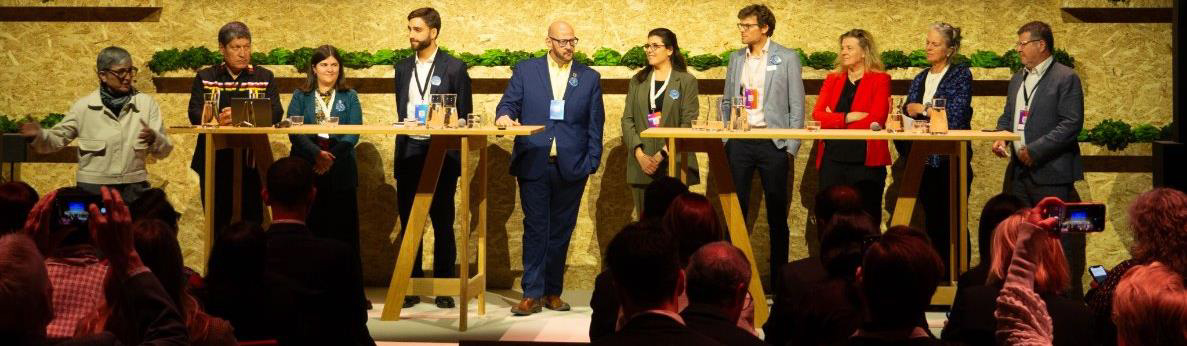
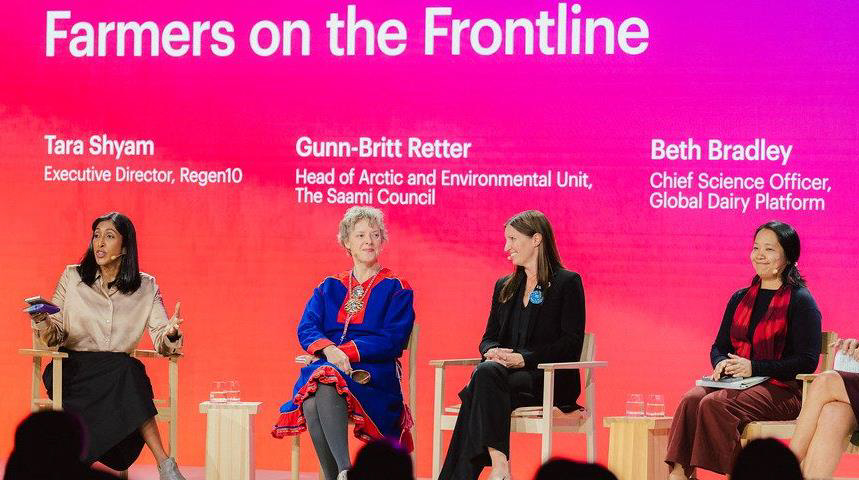 Chefs were prominently featured in both the Stockholm Food Forum (SFF) and in the CfA discussions leading up to it. During the forum, 140 CfA members, including many from the chef and food service community, took to the stage to present early insights from their Action Briefs, participate in panel discussions, and reflect on how kitchen-level decisions can influence health, sustainability, and culture on a larger scale. Panels such as “From Recipe to Recovery: A Call to Action” and “Walking the Walk: Frontline Food System Heroes” highlighted chefs as thought leaders who can bridge the gap between global recommendations and real-world practice in restaurants, hotels, schools, and hospitals.
One of the most powerful messages from the session was the Commission’s vision statement: “Healthy food accessible to all: produced, processed, distributed and consumed fairly within planetary boundaries”
This simple yet powerful idea underpins the 2025 framework, which centre around three pillars: Healthy Diets, Food System Shares of Planetary Boundaries, and Social Foundations, all of which are directly relevant to chefs. The Commission’s dietary guidance and its updated Planetary Health Diet charts, presented during the session, emphasise how plant-forward, minimally processed ingredients can improve both human and planetary health without enforcing rigid or exclusionary eating patterns.
 For chefs, the CfA analysis highlighted both the areas where the profession already has a strong influence and where further collaboration is necessary. The review of 15 Common Action Areas identified several points at which chefs can drive change: shifting social norms by promoting plant-forward dishes; reducing food waste through smarter preparation, menu design, and training; enhancing access to sustainable meals by demonstrating flavour-first approaches; and using purchasing power to support regenerative agriculture and ethical supply chains.
The influence mapping showed chefs have unique reach into both consumer behaviour and procurement decisions, two of the most powerful levers for food system change. What resonated strongly throughout the session was the emphasis on chefs as cultural leaders. The choices made at the pass, the stories told on menus, the ingredients championed in specials, and the young cooks trained in professional kitchens all help to shape public food culture. In a moment when evidence shows that better adherence to healthy, sustainable diets can reduce mortality risk substantially, chefs find themselves in a position not just to feed, but to educate, inspire and lead.
 As the EAT – Lancet team outlined next steps, they emphasised the importance of ongoing collaboration across CfAs, preparing resources for implementation, and progressing towards the 2025 launch. It was clear that the culinary sector will play a vital role in shaping what comes next. Chefs were encouraged to stay engaged, share insights, and identify opportunities for cross-industry partnerships that can help overcome barriers to change.
For The Chefs’ Forum audience, the message is clear: the world looks to chefs not only for excellent food but also for leadership in creating a more sustainable future. With the 2025 EAT – Lancet Commission approaching, now is the crucial moment for chefs to step up, influence and shape the future of global food.