NHS Leaders and Industry Experts United to Drive “Better Food, Lower Carbon” Agenda in Healthcare Catering
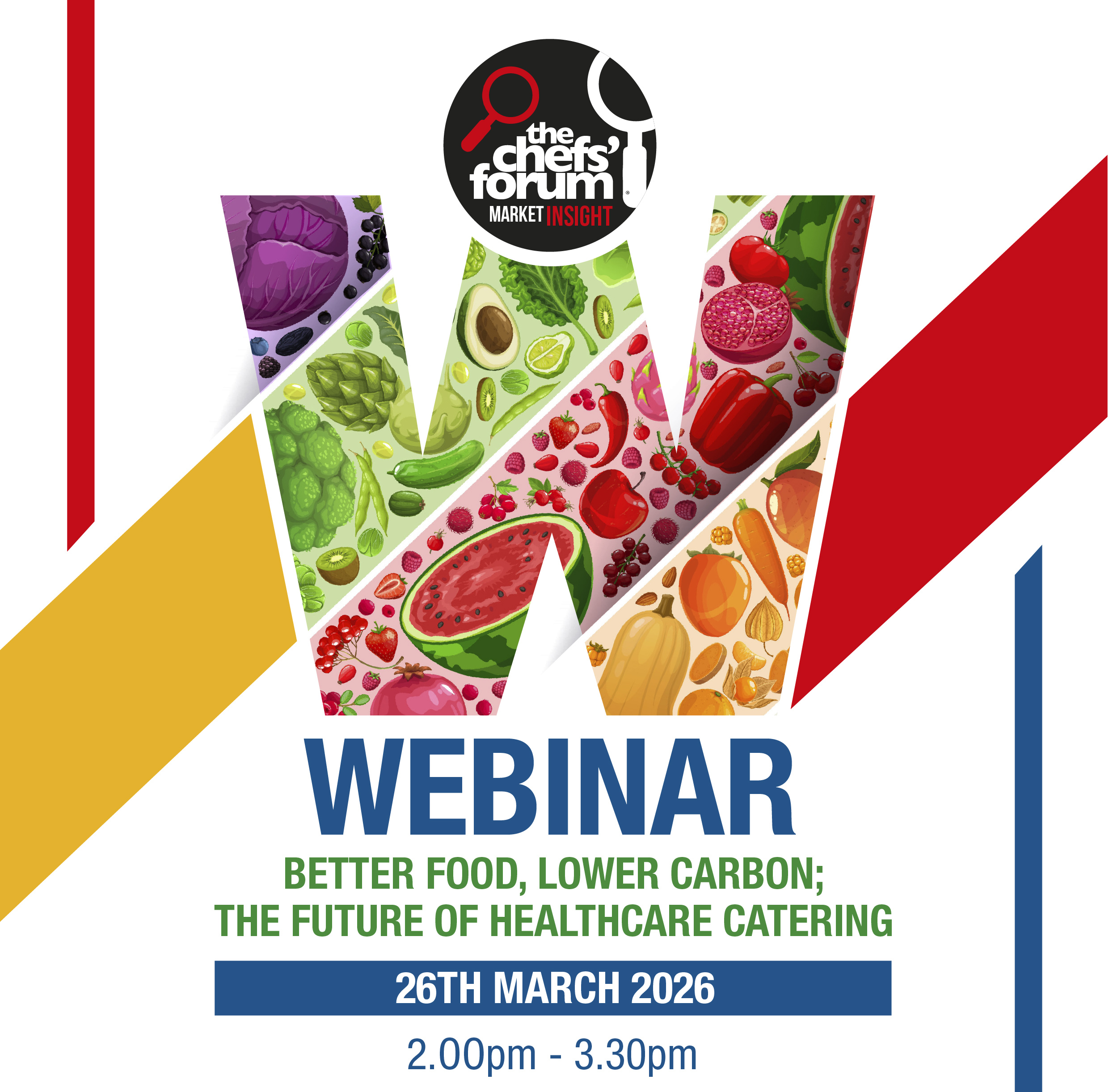 Healthcare leaders, chefs, dietitians, and industry partners gathered on 26 March 2026 for a major national webinar focused on revolutionising hospital food systems to achieve both enhanced patient outcomes and measurable carbon reduction.
The free-to-attend event, “Better Food, Lower Carbon: The Future of Healthcare Catering,” gathered senior figures from NHS England, hospital trusts, and the wider foodservice sector to discuss how sustainable food practices can be integrated into daily healthcare operations.
Hosted by Catherine Farinha, author and publisher of The Healthcare Chefs’ Knowledge series, the session built on a programme of sustainability workshops delivered throughout 2025 and reflected the growing momentum across the NHS to position food as a key lever in achieving net zero targets.
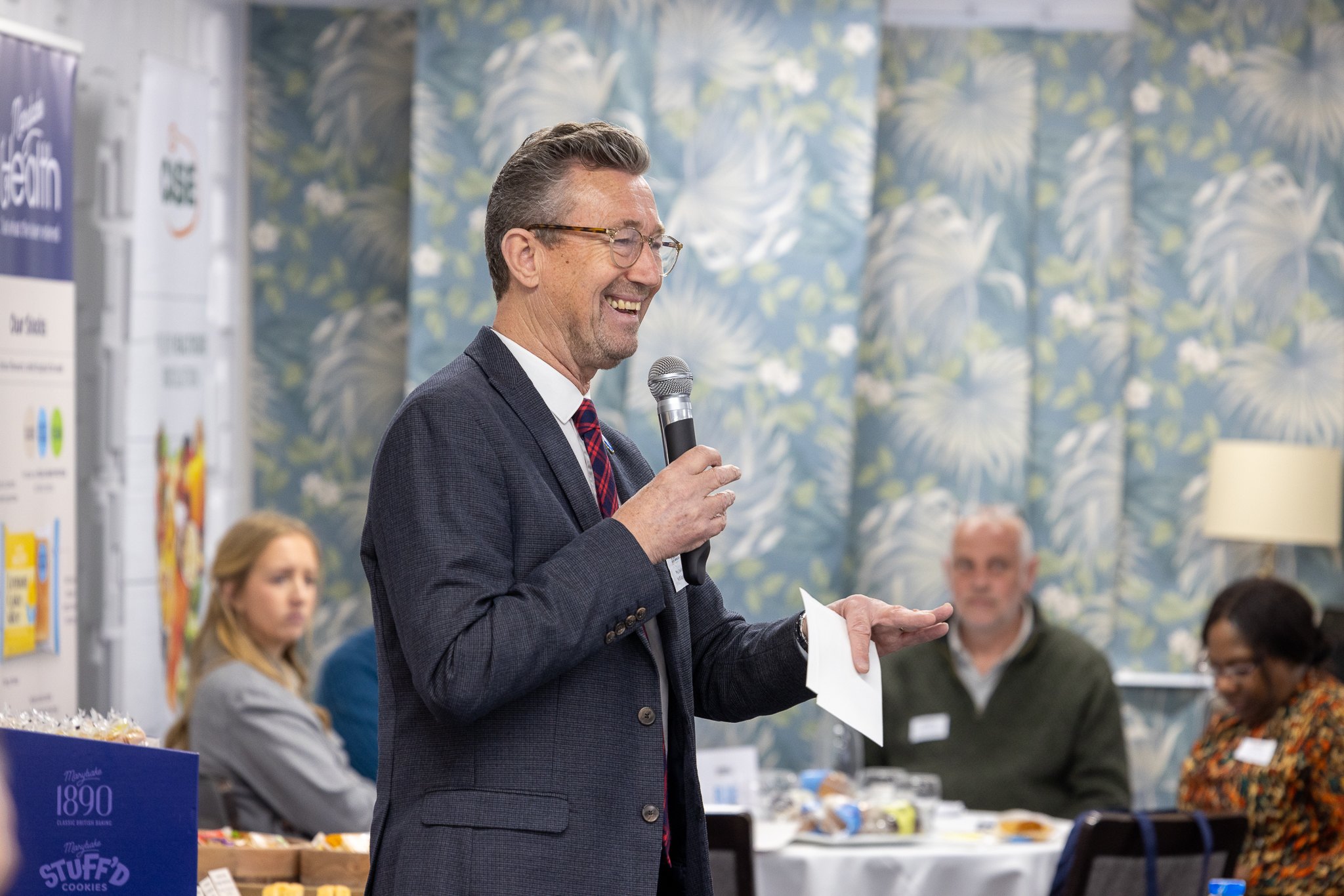 Opening the webinar, Philip Shelley, Senior Operational Manager and National Lead for Food at NHS England, highlighted the strategic role of food in achieving the NHS’s sustainability goals.
“Food is one of the most immediate and impactful opportunities we have to reduce carbon across the NHS,” said Philip Shelley. “By empowering chefs, dietitians, and catering teams to work collaboratively, we can move from policy to practical action and deliver measurable outcomes that benefit both patients and the planet.”
The webinar demonstrated how healthcare organisations can move from high-level sustainability commitments to real operational changes, with a clear focus on measurable improvements, cross-department collaboration, and scalable best practices.
 Catherine Farinha, who chaired the session and led the panel discussion, emphasised the importance of bringing together diverse expertise across the healthcare food system.
“This webinar was about turning conversation into action,” said Catherine Farinha. “We brought together leaders from catering, dietetics, sustainability and industry to share practical, real-world solutions that can be implemented now. The opportunity for collaboration across the sector has never been more important.”
A key focus of the session was the role of leadership and culture in embedding sustainability within hospital settings. Sian Langford, Healthcare Sustainability Leader at The Robert Jones and Agnes Hunt Orthopaedic Hospital NHS Foundation Trust (RJAH), shared insights into how organisations could drive change from within.
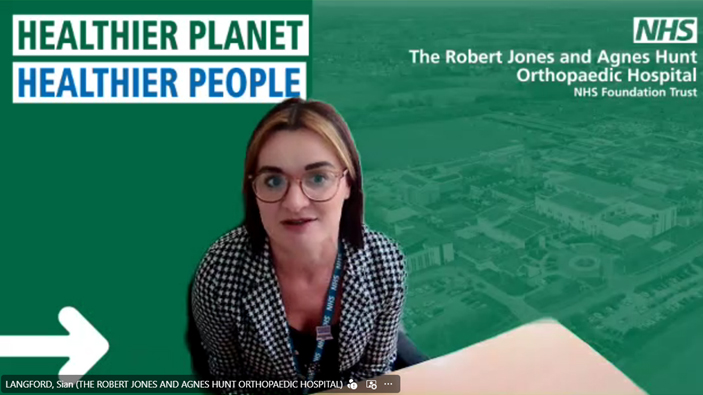 “Embedding sustainability is not just about policy, it’s about people, culture, leadership and cross-department ownership,” said Sian Langford. “When teams are engaged and empowered, even small changes such as waste reduction and menu reformulation can deliver significant environmental and operational benefits.”
NHS Supply Chain’s Foodservice Lead Dietitian, Idrees Anwar, explored the role of dietetics in balancing clinical nutrition with sustainable food choices, alongside the increasing use of technology and data to reduce food waste and improve patient experience.
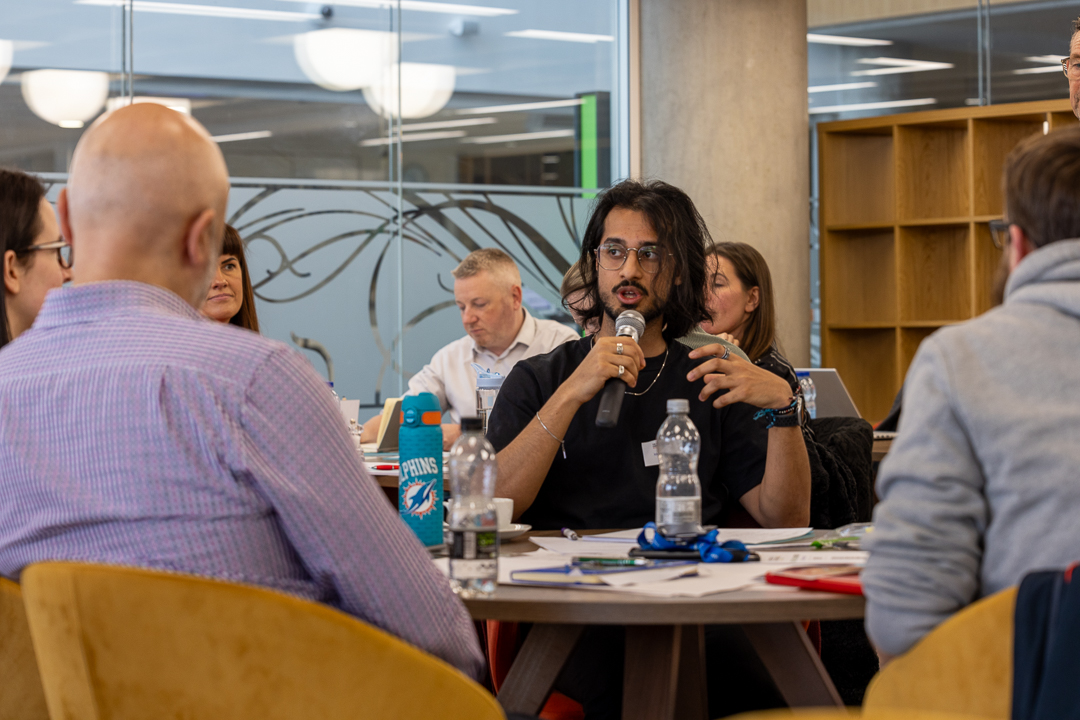 Idrees Anwar said:
“Delivering sustainable healthcare food isn’t about compromise, it’s about smarter choices. By aligning clinical nutrition with lower-carbon ingredients and plant-forward approaches, we can support patient recovery while contributing to the NHS’s net zero ambitions.”
Innovations such as demand-led meal production and CIVICA electronic menu ordering systems, presented by Ed Harrison, Healthcare Lead at Civica Healthcare Management, demonstrated how hospitals could minimise overproduction while increasing meal uptake and satisfaction.
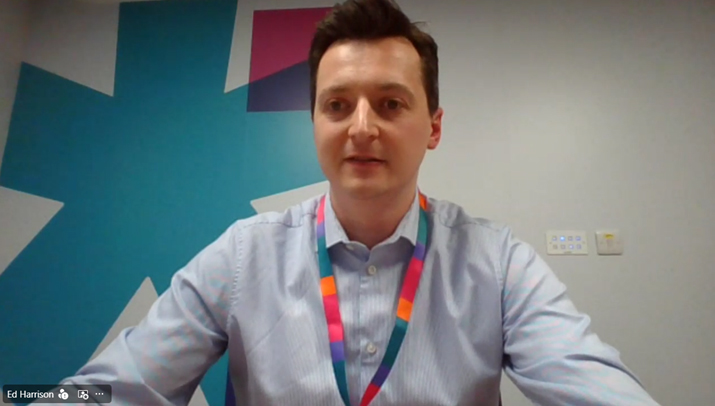 Ed Harrison said:
“Technology is a vital enabler of sustainable healthcare catering. By using real-time data and digital meal ordering systems, we can significantly cut waste, boost efficiency, and improve the patient dining experience—all while supporting carbon reduction targets.”
In addition, Sarah Block, Country Manager UK & Ireland, presented practical solutions for lower-carbon menus, including the use of plant-based ingredients such as lentils to reformulate familiar dishes without compromising nutrition or patient acceptance.
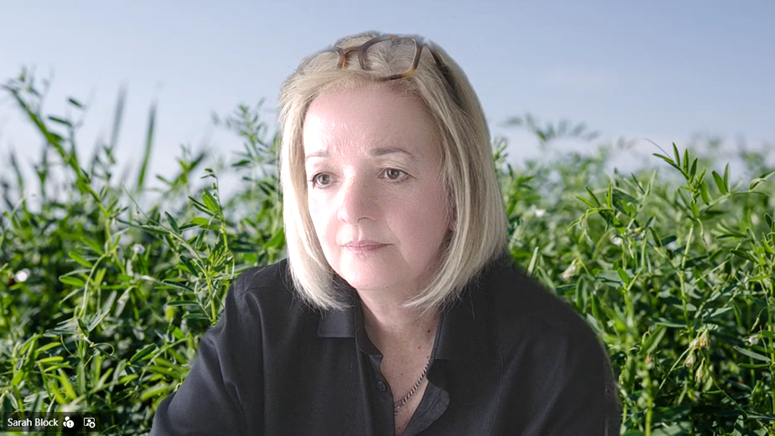 Sarah Block said:
“Simple ingredient shifts can drive meaningful change. Lentils offer a practical, affordable, and highly nutritious way for NHS kitchens to cut carbon emissions without sacrificing quality or patient satisfaction. It’s about evolution, not revolution, in menu design.”
The session ended with a live panel discussion and Q&A, where attendees discussed key questions about scaling best practices across the NHS, prioritising investment, and supporting chefs and catering teams as frontline agents of change.
With the NHS committed to achieving net zero, the webinar marked a significant step in aligning strategy with delivery, demonstrating how food could play a central role in building a more sustainable, resilient healthcare system.