New Research Highlights Structural Challenges Behind Food Waste in NHS Hospital Kitchens
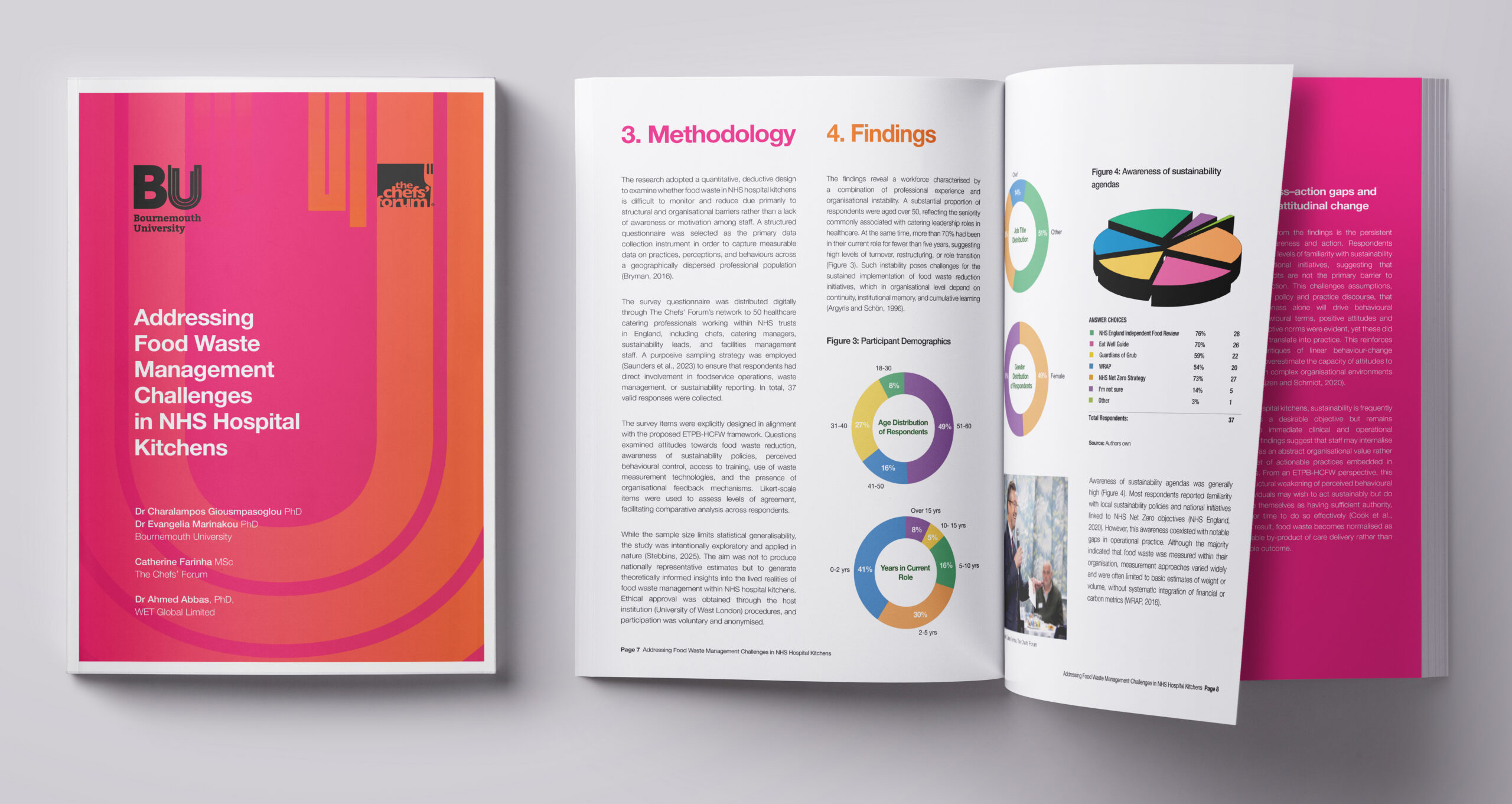 A new report from Bournemouth University in collaboration with The Chefs’ Forum and Wet Global has revealed that food waste in NHS hospital kitchens is driven more by structural and organisational constraints than by a lack of awareness among catering professionals.
The report, Addressing Food Waste Management Challenges in NHS Hospital Kitchens, examines sustainability practices across healthcare catering operations in England and provides new insights into why food waste persists despite growing policy attention and the NHS’s Net Zero ambitions.
 Philip Shelley, National Lead for Food at NHS England said
“Our Carbon and Sustainability Workshops throughout 2025 were incredibly effective in equipping hospital catering teams with the knowledge and practical tools needed to tackle two of the sector’s biggest challenges: food waste and carbon accountability. By translating complex sustainability concepts into real, kitchen-level actions, the workshops have empowered chefs and catering managers to understand the environmental impact of their menus and make meaningful improvements. I’m delighted to be working with The Chefs’ Forum to continue this important work, and I’m looking forward to bringing all healthcare foodservice stakeholders together again at the end of the month for our webinar, Better Food, Lower Carbon: The Future of Healthcare Catering, where we can continue driving positive change across the sector.”
As one of the largest institutional food providers in the UK, the NHS prepares approximately 141 million patient meals each year. Reducing avoidable food waste by 50% could save the NHS an estimated £43 million annually, while improving operational efficiency and environmental performance.
The report, written by Dr Charalampos (Babis) Giousmpasoglou and Dr Evangelia Marinakou from Bournemouth University, with researchers, Catherine Farinha MSc from The Chefs’ Forum and Dr Ahmed Abbas from Wet Global, surveyed healthcare chefs, catering managers and sustainability professionals working across NHS trusts in England.
 Catherine Farinha said:
“It has been a genuine honour to carry out this research through the five workshops conducted in partnership with the NHS England Food Team and Andrea Zick. I sincerely thank my team for enabling these sessions and for their support in organising and delivering the workshops nationwide, which has allowed us to collect and examine valuable, meaningful data. This insight and material, generously contributed by the workshop participants, has laid the groundwork for this report, in collaboration with my esteemed colleagues at Bournemouth University and Dr Ahmad at Wet Global. We anticipate further developing and refining the research as we collaborate with Trusts across NHS England to strengthen, support, and enhance hospital food systems.”
Rather than identifying awareness as the main barrier, the findings highlight a complex combination of operational pressures that make food waste difficult to prevent. Key factors include patient dietary complexity, unpredictable appetite, overproduction as a risk-management strategy, workforce instability and fragmented monitoring systems.
The study also found that while awareness of sustainability policies and NHS Net Zero targets is high among healthcare catering professionals, this awareness does not always translate into effective waste-reduction practices due to limited training, inconsistent measurement, and organisational constraints.
 Dr Charalampos Giousmpasoglou said:
“Food waste in NHS hospital kitchens should not simply be viewed as an operational inefficiency. It is the outcome of complex organisational systems where clinical care, patient needs and foodservice operations intersect. Addressing it requires coordinated action across governance, workforce training and digital infrastructure.”
The report calls for stronger organisational support for waste-reduction initiatives, including improved training in food-waste measurement and carbon literacy, better digital monitoring systems, and clearer governance structures within NHS catering operations.
Developed through a survey of healthcare catering professionals, supported by the NHS Net Zero Food Team, The Chefs’ Forum and Wet Global, the research provides practical recommendations for policymakers and hospital catering teams seeking to improve sustainability across the NHS food system.
The authors conclude that with sustained investment in skills, systems and leadership, hospital kitchens have every potential to become leading examples of sustainable institutional foodservice.
To access the report in full CLICK HERE
 Through the NHS Chef Competition and annual publication of The Chefs’ Knowledge series of books by The Chefs’ Forum in collaboration with the Net Zero Food team at NHS England, the NHS is committed to improving hospital kitchens across the estate and sharing best practice through regular workshops and webinars.
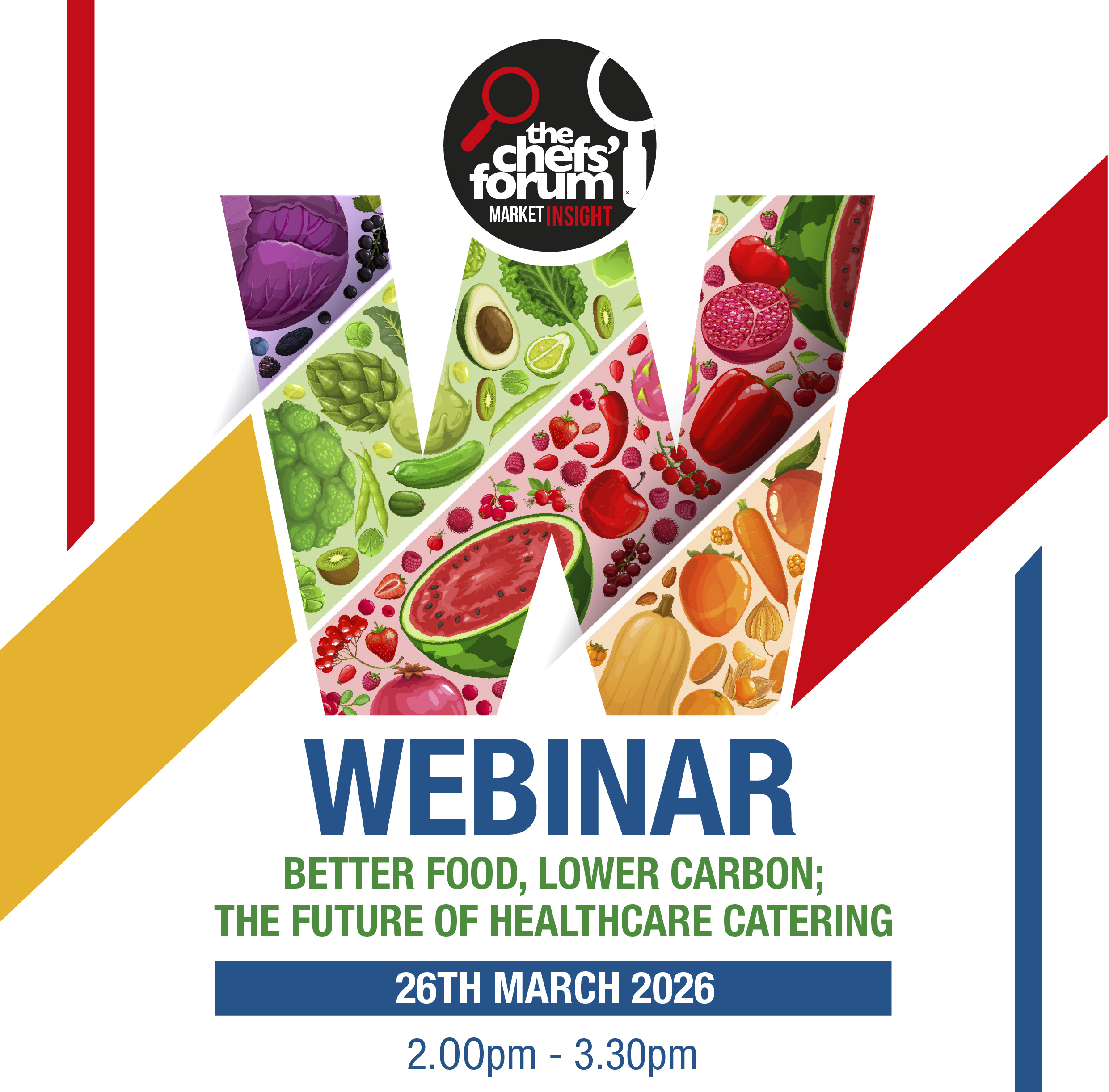
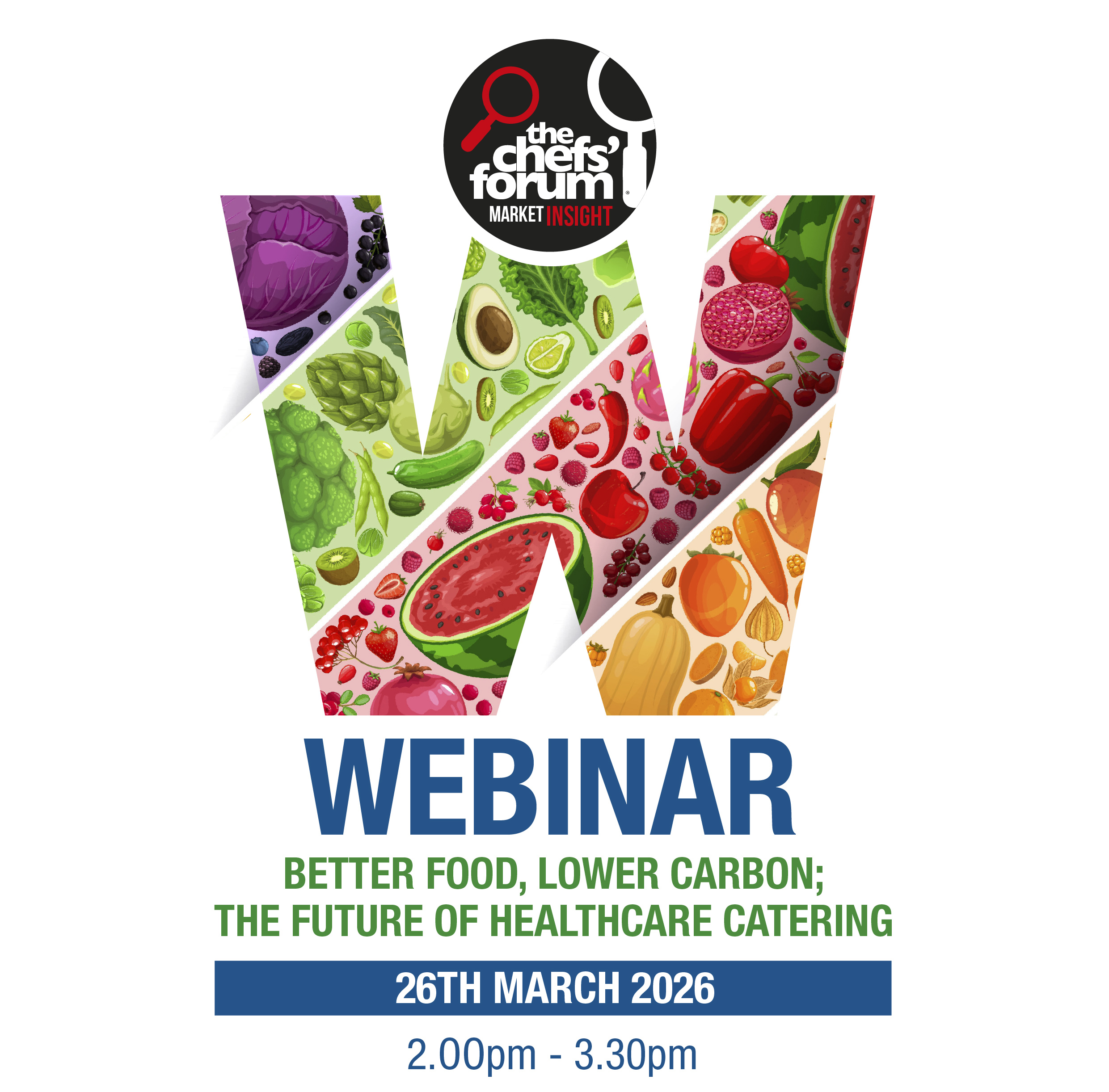
CLICK HERE TO REGISTER for the Better Food, Lower Carbon: The Future of Healthcare Catering Webinar:
When: 26th March 2026 – 2-3.30pm
Cost: FREE TO ATTEND