Generation Z, Leadership and the Future of Hospitality
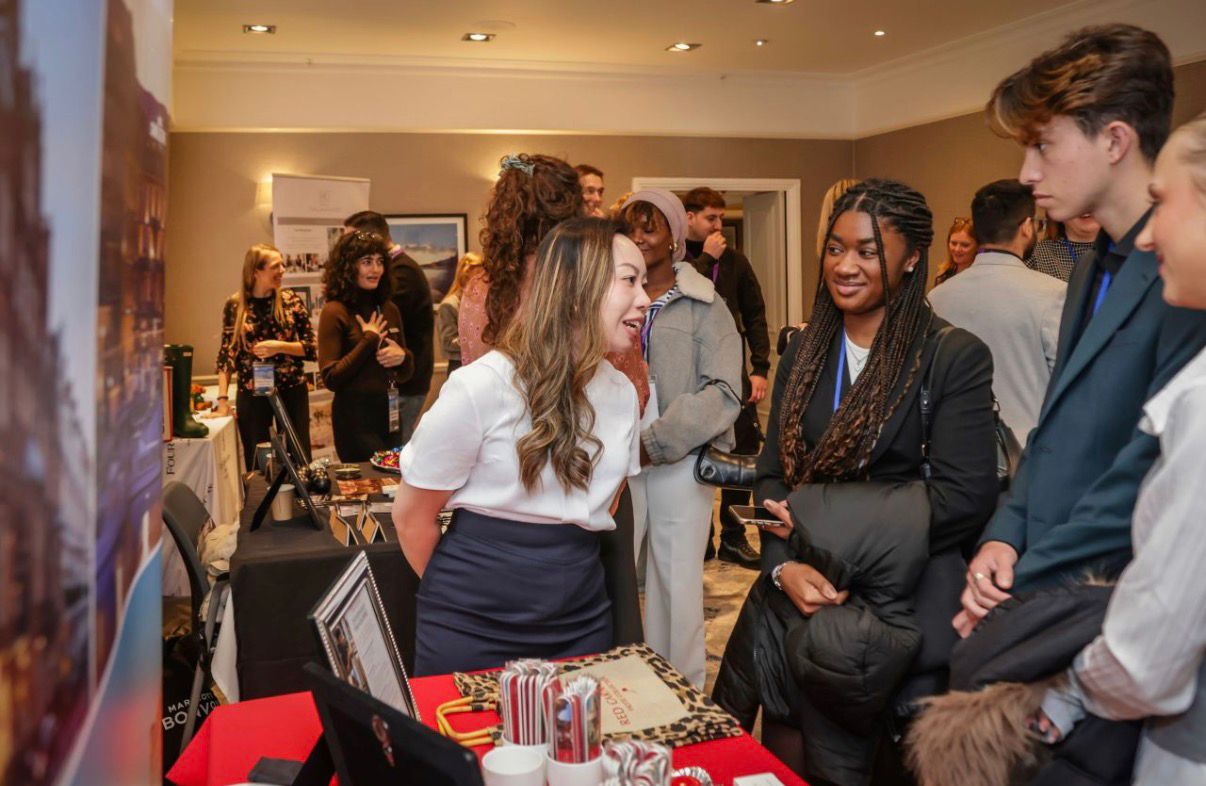 The 2026 Tourism & Hospitality Conference and Careers Fair at Bournemouth Highcliff Marriott Hotel brought together senior leaders, academics, HR directors and students for a day of critical debate and industry insight under the theme:
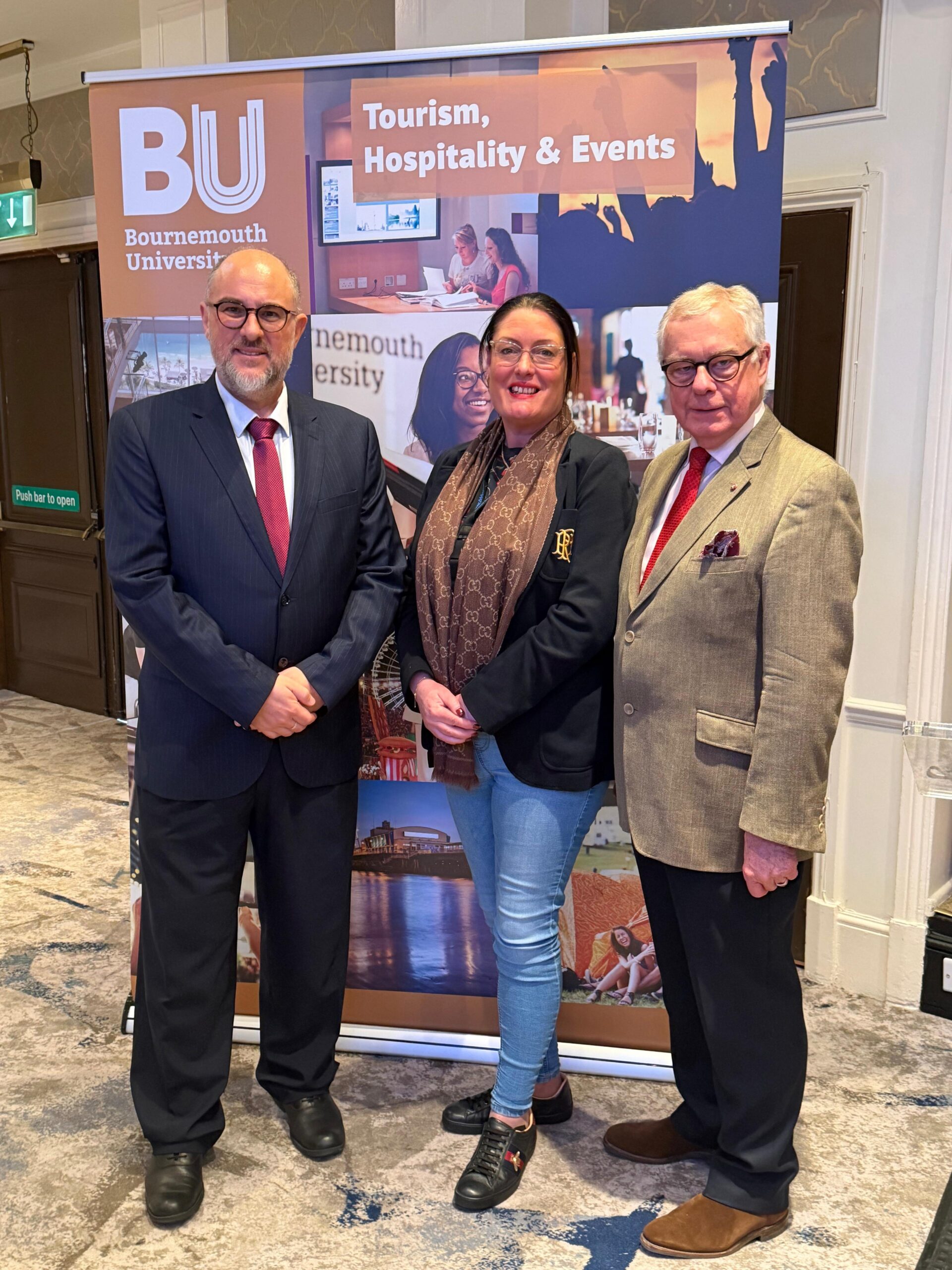 “Generation Z and the Future of Work in the Hospitality and Tourism Industry.”
Chefs’ Forum Founder, Catherine Farinha was delighted to be invited to attend by Principal Academic in Human Resource Management, at Bournemouth University Business School, Dr. Charalampos Giousmpasoglou.
Hosted by Bournemouth University Business School in association with Bournemouth Area Hospitality Association (BAHA), the conference welcomed a distinguished line-up of speakers and panellists representing luxury hotels, global brands, independent operators and leading universities
With more than 30 organisations in attendance at the Careers Fair, including Marriott International, Mandarin Oriental, Corinthia, Four Seasons, The Dorchester Collection and Rosewood. The event provided a rare platform for genuine dialogue between industry and future talent
The Local Industry Perspective: Leadership, Culture and Resilience
Opening the day, local restaurateur, publican and National Industry Voice, Andy Lennox, founder of The Fired-Up Collective of brands (Nusara, The Wessex Pub Co and La Bocca), set the tone with a candid keynote on rebuilding hospitality culture post-pandemic. Catherine has been working with Andy to promote his national campaign to cut VAT, to give the hospitality industry a chance to recover. Andy made the point that the current scenario means that operators and employers are not hiring, as they can’t afford to do so.
Andy started his first business when he was 21, Koh Thai Tapas in Boscombe and sold it when he was 30. He assured the room that if they ever run their own business, they will run out of money, and that its part of entrepreneurship.
“Hospitality is the essence of entrepreneurship and contributes 66 billion to the UK economy. Generation Z are not disengaged,” Lennox told delegates. “They are purpose-driven. If we want to attract and retain them, we must lead with authenticity, community and craft. Hospitality the old way – genuine service and pride in the profession. Its not easy, its not for everyone, but it is fun. This resonates more than ever: You have to know the difference between hospitality, which is that we create and look after peoples’ moments. You have to train your team, then train them again.”
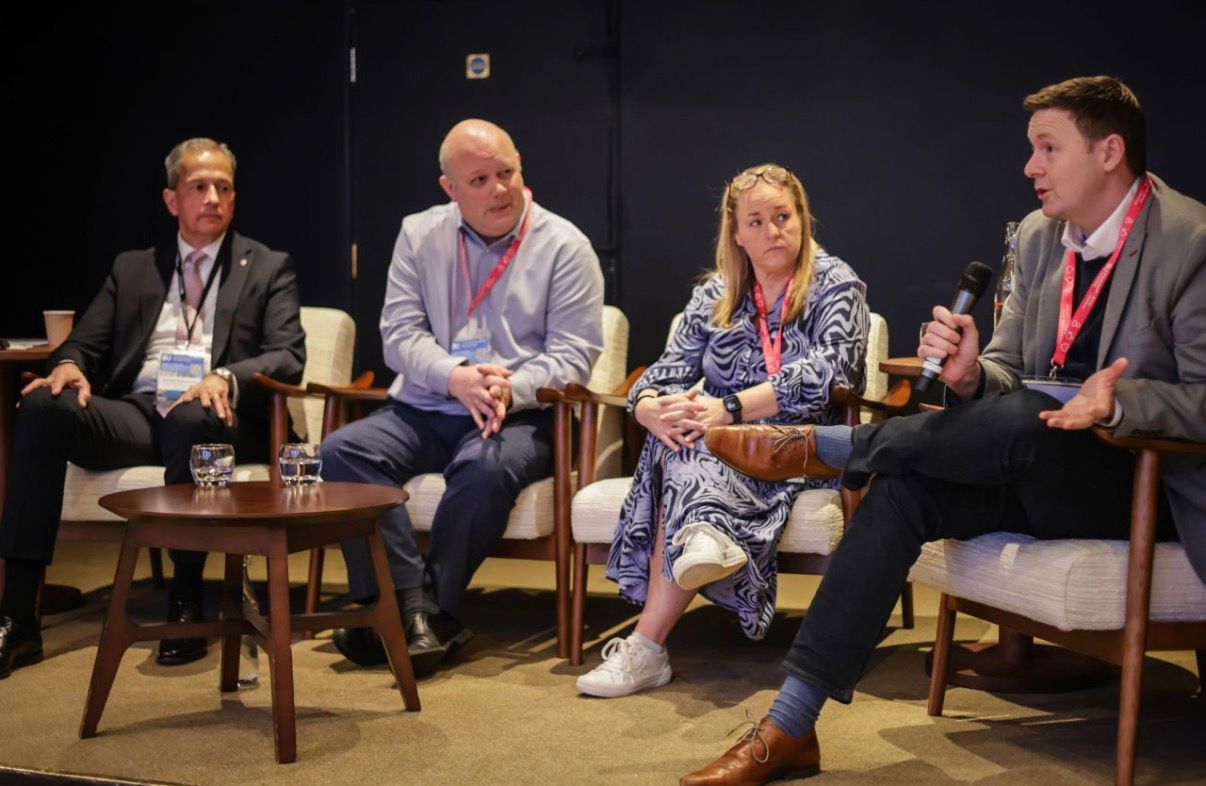 Panel moderator Michael Clitheroe, Director of TLC Hospitality, reinforced the need for operational clarity and people-first leadership. He reiterated that Gen Z or Millennials are the future of our industry. Is there a mismatch between jobs available, the requirements of the industry and what Generation Z are happy to do, in line with their expectations. We have to look after each other, it is hospitality within hospitality.
“We cannot separate commercial performance from culture,” he said. “High retention, high service standards and strong EBITDA (Earnings Before Interest, Taxes, Depreciation and Amortisation) are not competing priorities, they are outcomes of empowered teams. If we look after our people, develop them and look after them on a daily basis, then this makes them stay. We need to look at middle management and what it means. We must be a barnacle and stick with each role; Walk don’t run, so you really get to learn the ropes and develop to our full potential as professionals.”
Rosie Radwell, Managing Director of Marsham Court Hotel, spoke passionately about accessibility and inclusive tourism:
“If we want the future workforce to believe in hospitality, we must demonstrate that our businesses reflect the society we serve. Accessibility, wellbeing and inclusion are no longer optional, they are strategic and something that we as a business are very passionate about. We should reward loyalty, as we do in retail. My Reception Manager is 21, I hired her at 17 and she’s been with us for four years. Trusting your team will lead to retention and loyalty from your team.
“I love doing ‘Back to the Floor’ days, because it keeps my skills up to date and shows the team that I am prepared to learn every aspect of the business, from waste disposal to pot wash, working the pass and serving front of house.”
The Educators’ Perspective: Redefining Professionalism
A second session examined the role of education in shaping Gen Z expectations.
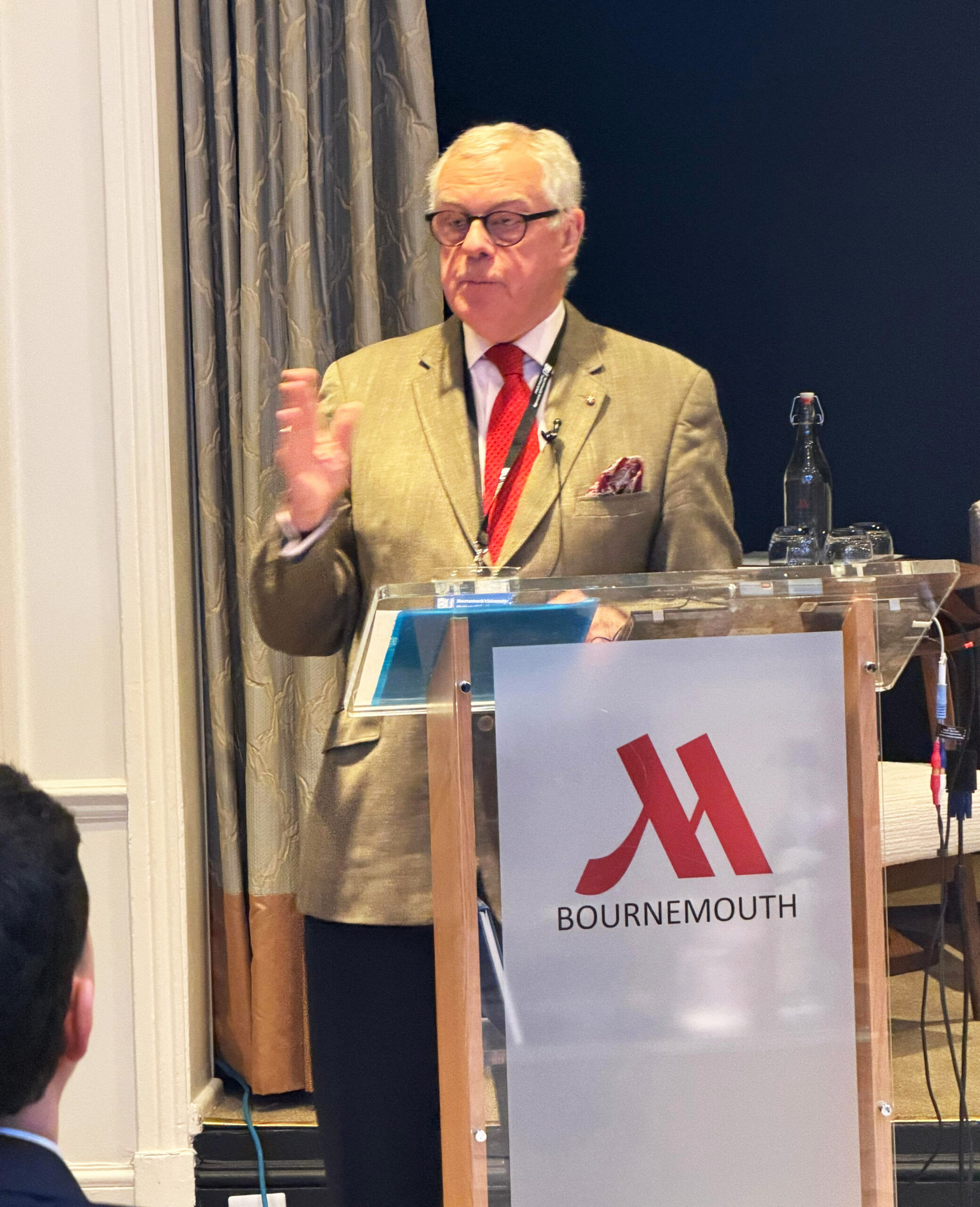 Professor Peter Jones, Chair of The Crumbs Project, highlighted the importance of vocational integration:
“The future of hospitality education lies in immersive learning. Students must graduate not only with theoretical knowledge, but with operational confidence, cultural and ethical awareness. I have done many pieces of work, examining what each party wants, what we haven’t found yet is the glue that holds it all together and that is where education comes in. St Benedit’s Rule was given to me by my tutor, when I was at Reading University, he then went on to become a Benedictine Monk. The book gives you a great idea of what hospitality is all about. Any guest who arrives at the monastery, must be treated as Christ would do himself. St Benedict’s Principles of Hospitality means a warm, hospitable welcome should be always given – This is interesting reflection from 1500 years ago. Gen Z are wise beyond their years and are not being unrealistic in their requirements, such as work/life balance and consensus.”
The Curriculum of Curiosity – Developing observational and analytical Rigour
Peter went on to discuss how a curriculum may look in 2030. He suggested that need to look at every element of the business and the impact it has on other departments. For example, Marketing may make promises that operations then have to deliver. Finance may set a budget that may not work for purchasing in terms of ingredient quality for chefs. Integration and innovation are key, in terms of the need to observe, see why things may be going wrong and find out why.
“The curiosity is using the intellectual knowledge to establish’ the why’, why is this happening? You should only look at a textbook when you need to, but the Book of Benedict is really the only book you need. We should be spending more time in dialogue and encouraging people to think far more critically than they already do. Peter finished by saying that we need to look, observe and understand and education can help to achieve this.”
Professor Adele Ladkin of Bournemouth University chaired the next panel and emphasised the structural implications of workforce transformation:
“We are seeing digitalisation, AI, migration patterns and wellbeing expectations converge. The industry must think systemically about fair work and sustainable employment models.”
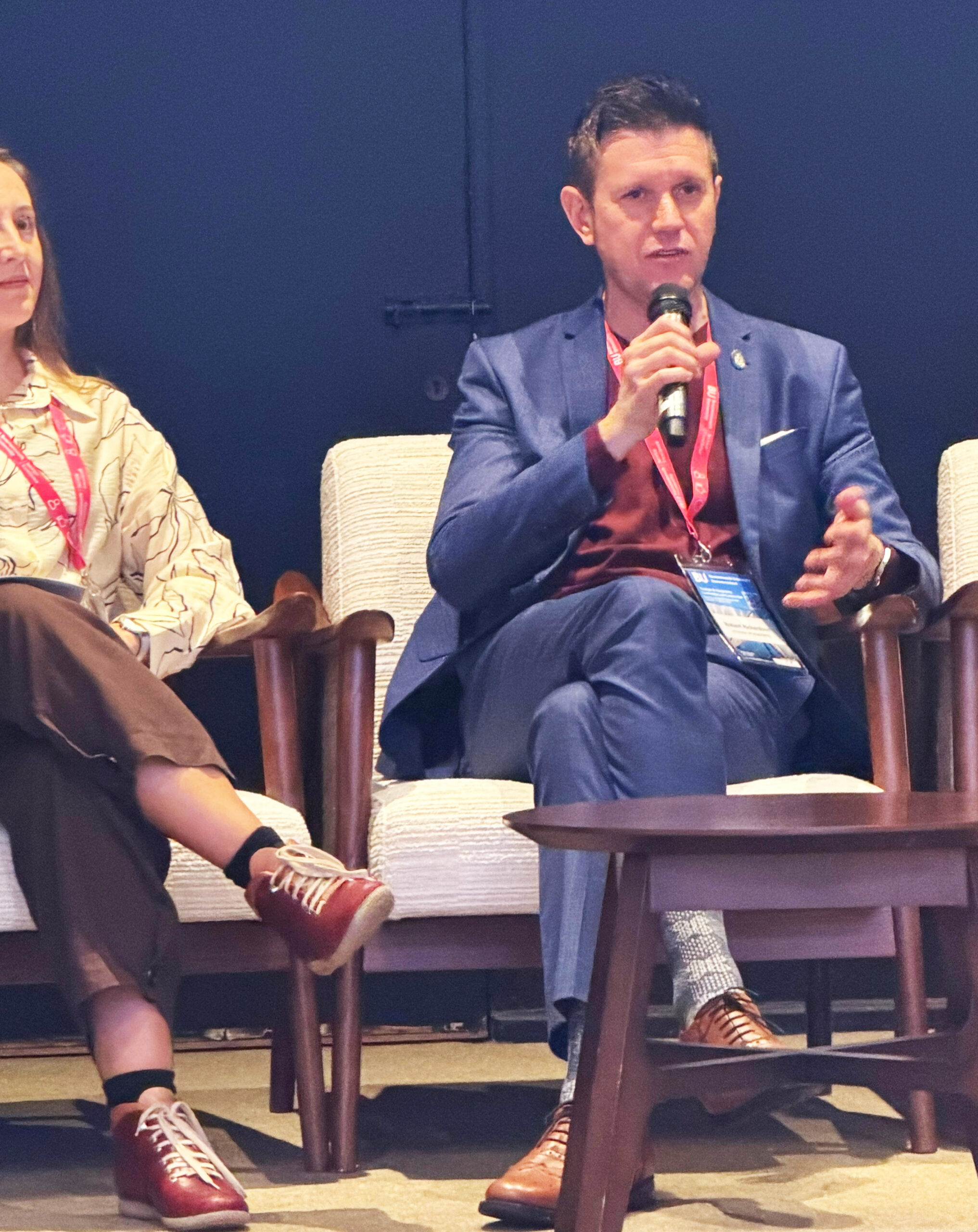 Robert Richardson, CEO of the Institute of Hospitality, challenged businesses to elevate professional standards:
“Hospitality is one of the world’s most powerful economic sectors. It is time we match that scale with professional recognition, leadership development and global advocacy. We have the privilege of running the largest hospitality platform, so we can help with research with academic institutions. We can bring research into businesses. We need to be inclusive and forge industry and educational partnerships. We are in an industry where any person of any age or background can join and thrive. We need to establish what is important to our employees of any demographic. We need to be more personal and less general in attracting and retaining Gen Z into our workforce. We are looking at becoming a chartered industry and the government is being very supportive. We need to demonstrate that we are fantastic employers, not the employers that the marketing department or social media says we are. Hospitality has always been about people. If we invest in them properly, the future of this industry is extraordinarily bright.”
 Dr Maria Gebbels of the University of Greenwich addressed the shifting perception of hospitality careers:
“Gen Z evaluates employers through the lens of fairness, progression and identity. If the industry fails to address gender dynamics, inclusion and meaningful career pathways, it will lose competitive ground. Empathy and passion in hospitality cannot be replaced by AI. We must broaden the idea of what hospitality is and we really need to shout about some of the great things that our industry does. We are working with a slightly outdated model, and we need to have students far more involved in our decision-making process.”
The 2026 BU Tourism & Hospitality Conference did more than explore the future of work, it modelled the collaborative leadership required to shape it was a a privilege to attend.
The future of hospitality will be shaped through sustained collaboration between industry and education. Organisations and professionals who wish to engage with the BU Tourism & Hospitality Conference, contribute to future panels, support the Careers Fair, collaborate on research, or connect with emerging talent are warmly invited to get involved.
The Bournemouth University Hospitality & Tourism team remains committed to building meaningful, long-term partnerships that benefit businesses, students and the wider sector. Those interested in exploring collaboration opportunities are encouraged to contact Dr. Charalampos (Babis) Giousmpasoglou (cgiousmpasoglou@bournemouth.ac.uk) at Bournemouth University Business School.