Hospitality Advocates for 13% VAT as New Research Warns Sector Is in ‘Stabilisation Mode’
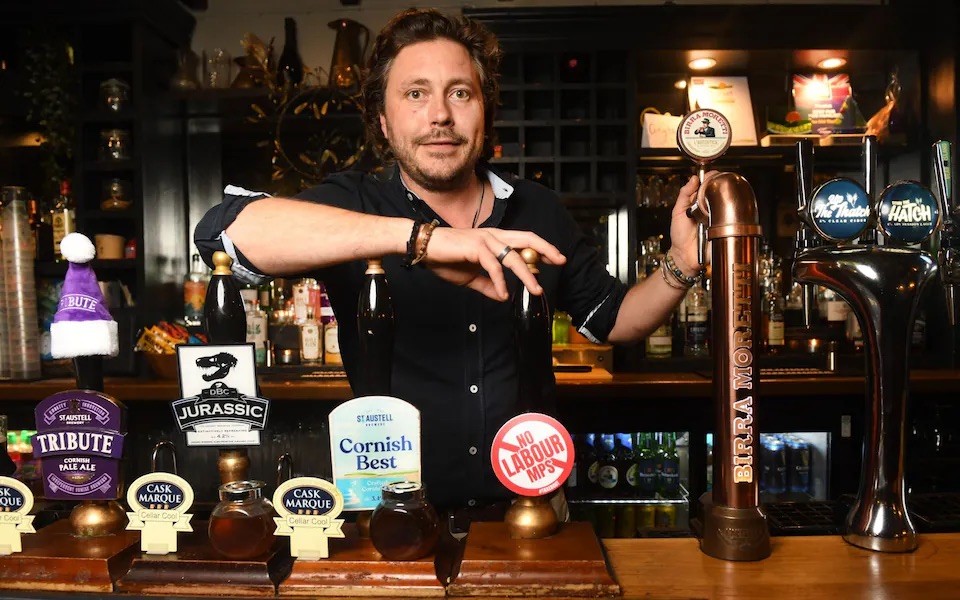 When The Chefs’ Forum was asked to support the ‘Ban Labour MPs’ campaign, we responded willingly. The campaign by Dorset landlord Andy Lennox has gained both national and international attention, and now there is increasing pressure to bring about positive tax reforms for the hospitality sector to help businesses in the industry survive.
A new independent research report is increasing pressure on the Government to reduce VAT on in-house hospitality food and drink from 20% to 13%, with industry leaders claiming that the sector is no longer in recovery but in survival mode.
The study, led by Dr Siamand Hesami of Bournemouth University Business School, describes a VAT cut not as a driver of growth but as an “emergency stabilisation measure” aimed at keeping businesses afloat, protecting jobs, and preventing avoidable closures.
The research shows that UK hospitality continues to face pressure from rising wages, employer National Insurance, energy costs, food prices, and the return of full business rates. Insolvency risk is highest among food-led pubs and lower-margin operators, especially in regions reliant on tourism.
 Accounting and Finance Lecturer and report author, Dr Hesami, stated that the evidence made action unavoidable.
“This research was necessary because the sector is facing structural pressure, not short-term volatility,” he said. “Rising costs, shrinking margins, and fragile consumer demand mean many viable businesses are now at risk. A VAT reduction is one of the quickest tools available to stabilise trading conditions.”
He added that the aim is not to lower prices but to guarantee the survival of businesses.
“This is about cashflow, employment protection, and keeping doors open. If pubs and hospitality venues fail, the damage extends to jobs, suppliers, and local economies.”
The report models a VAT reduction from 20% to 13% on in-house food and drinks, including alcohol, covering pubs, cafés, restaurants, hotels, and hospitality venues serving customers on-site.
Key findings include:
- Hospitality sustains around 2.6 million direct jobs and supports roughly £270 billion (around 10%) of UK GDP through tourism-related activity.
- About 200,000 direct jobs could be protected through a VAT cut, with a total of 372,000 jobs supported when supply chains are included.
- The policy would be 34–38% self-financing, meaning over a third of the cost would be recovered through tax receipts and improved compliance.
- The net cost to the government is estimated at £5.3–£5.5 billion annually, mainly offset by retained jobs and surviving businesses.
Hospitality employs around 2.6 million people directly, with tourism-related employment around 3.8 million, with the strongest impact in coastal, rural, and visitor-led regions.
Crucially, the research demonstrates that VAT cuts do not primarily boost spending, they protect jobs and businesses.
 Andy Lennox, Campaign Leader and Landlord of The Old Thatch pub in Dorset highlighted that the research advocates for clear policy action.
“From this research, the Government should introduce a 13% VAT rate,” he said. “This isn’t about giving the sector a handout, it’s about preventing unnecessary failures, safeguarding jobs, and making trading viable again. Without intervention, we’ll continue losing pubs and hospitality businesses that communities depend on.”
He added:
“Operators have already pushed prices to the limit that customers can accept. VAT reform gives businesses breathing space without penalising consumers.”
Publicans are in survival mode and for operators on the ground, the message is straightforward: The current model is broken.
 Campaign Supporter, Rick Creasman, Owner at Nailcote Hall said:
“We’re trading in survival mode, not growth mode. VAT at 20% on top of wages, energy, and food costs is pushing businesses to the brink. A 13% rate would allow us to reinvest in staff, maintenance, and local suppliers instead of constantly having to cut back.”
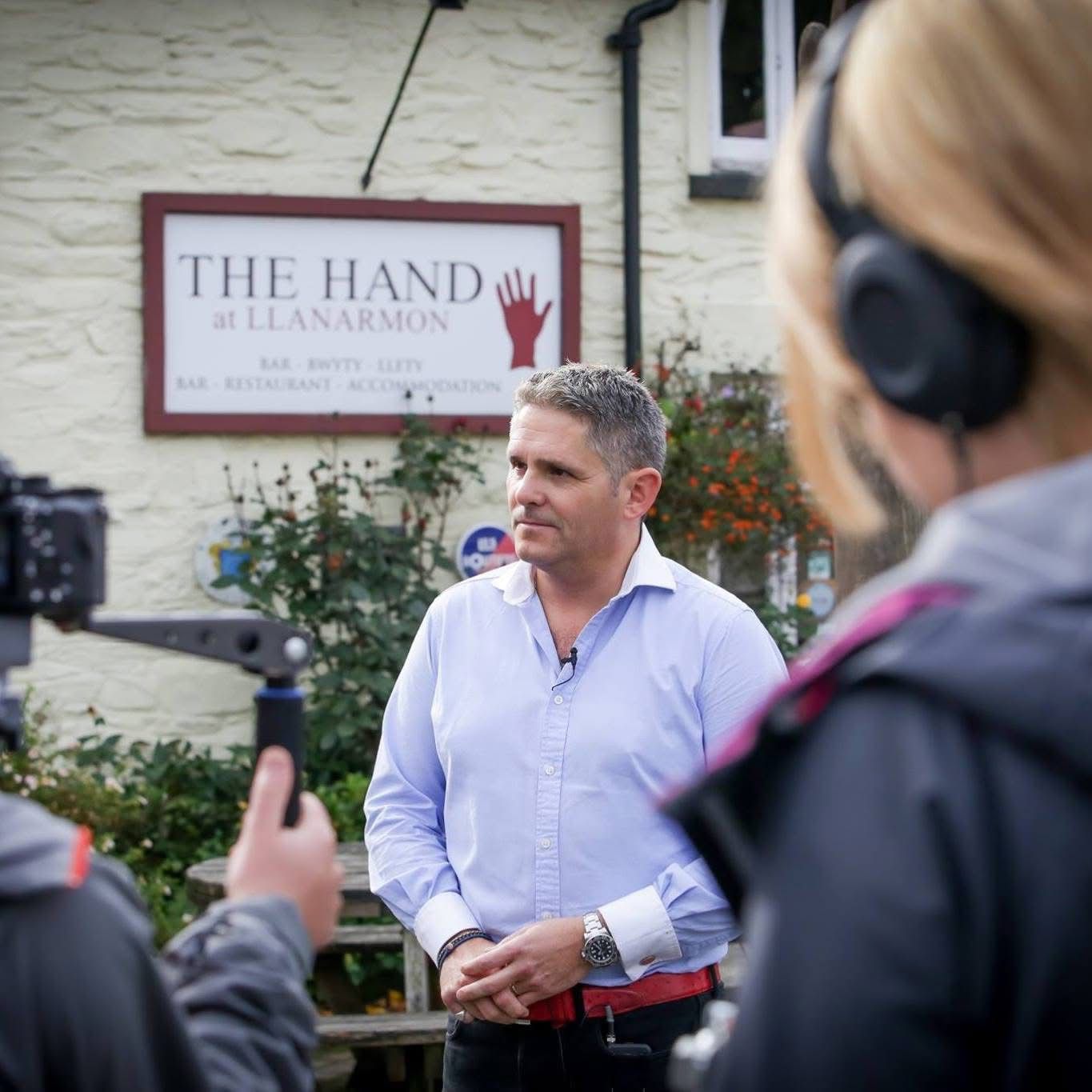 Jonathan Greatorex, Campaign Advocate and Landlord at The Hand at Llanarmon added:
“High VAT kills confidence. You stop hiring, stop refurbishing, and reduce opening hours. A 13% rate would give pubs and hospitality businesses the confidence to plan again and that’s when communities begin to benefit.”
The research posits 13% as a pragmatic middle ground, not a full subsidy, but a stabilisation tool. Many EU and OECD countries already operate hospitality VAT rates between 9% and 13%, while the UK remains at 20%.
The proposal includes a six-month review, enabling the Government to evaluate the effects on closures, employment, and tax revenue before deciding to make it permanent.
As Dr Hesami concluded:
“This isn’t about growth economics. It’s about stabilisation economics. If hospitality collapses, the costs: unemployment, empty high streets, broken supply chains are far greater than the cost of intervention.”
For hospitality professionals, the message is clear: VAT reform is no longer just a lobbying issue; it has become a matter of survival. The message is unmistakable: VAT reform is no longer a lobbying concern; it is now a survival issue. For more information on how to join your peers and support this campaign visit www.thewonkytable.co.uk